


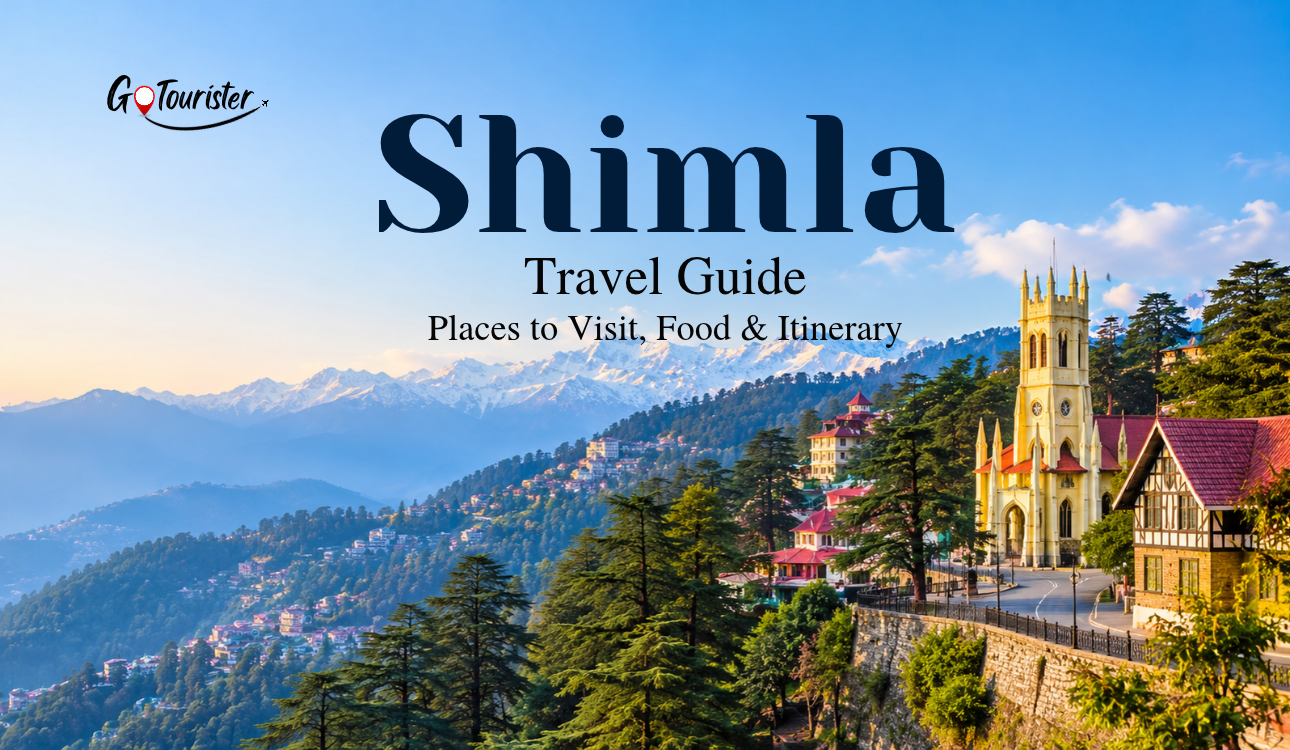
Shimla is one of the most popular hill stations in North India, known for its pine-covered mountains, colonial-era buildings, scenic walking trails and pleasant mountain atmosphere. Located in Himachal Pradesh, this charming hill city attracts families, couples, solo travellers and groups of friends throughout the year.
However, Shimla offers much more than Mall Road and winter snowfall. Travellers can explore historic landmarks, ride the famous Kalka–Shimla toy train, visit peaceful forest destinations, enjoy Himachali food and plan day trips to nearby hill stations. Its combination of heritage, nature, shopping and outdoor experiences makes it suitable for both short weekend holidays and longer mountain vacations.
This Shimla travel guide explains how to plan your trip, which places deserve your time, when to visit, how to reach the city, where to stay, what to eat and how much to budget.
Shimla Travel Information at a Glance
| Travel Detail | Information |
|---|---|
| Destination | Shimla, Himachal Pradesh |
| Famous For | Mountain scenery, colonial architecture, Mall Road and snowfall |
| Ideal Trip Duration | 3–4 days |
| Best Time for Pleasant Weather | March to June |
| Best Time for Autumn Views | September to November |
| Winter Experience | December to February, depending on snowfall |
| Nearest Major Airport | Chandigarh Airport |
| Railway Connection | Kalka–Shimla narrow-gauge railway |
| Main Shopping Areas | Mall Road, Lakkar Bazaar and Lower Bazaar |
| Popular Nearby Destinations | Kufri, Mashobra, Naldehra, Chail and Narkanda |
Understanding Shimla: What Makes This Hill Station Special?
Shimla developed into a major hill retreat during British rule and became the summer capital of British India in 1864. Its historical importance remains visible in its old churches, heritage buildings, traditional streets and colonial-era architecture. Today, the city is the capital of Himachal Pradesh and an important tourism destination.
The best way to experience Shimla is to combine its busy central attractions with quieter places outside the main town. The Ridge and Mall Road provide a lively introduction to the city, while Jakhoo Hill offers elevated views and spiritual experiences. Destinations such as Mashobra and Naldehra are suitable for travellers seeking forest scenery and a slower pace.
Shimla is also a convenient starting point for exploring other parts of Himachal Pradesh. A three-day visit can cover the main attractions, while four or five days allow additional time for nearby destinations and relaxed sightseeing.
Best Places to Visit in Shimla
1. The Ridge: The Heart of Shimla
The Ridge is one of Shimla’s most recognisable public spaces. This open area offers mountain views, historic architecture and access to several popular attractions. Christ Church, the Gaiety Theatre and other heritage landmarks are located nearby, making the Ridge an excellent starting point for exploring central Shimla.
Visit in the morning for a quieter atmosphere or in the evening to enjoy the changing light over the surrounding hills. It is also a popular place for photography and seasonal cultural events.
2. Mall Road: Shopping, Cafés and Evening Walks
Mall Road is the main shopping and leisure area in Shimla. Visitors can browse clothing stores, souvenir shops, cafés, restaurants and local handicraft outlets while enjoying the atmosphere of the hill town.
Walking is the best way to explore this area because vehicle access is restricted along many central stretches. Keep some time for café visits and local shopping instead of treating Mall Road as a quick sightseeing stop.
3. Christ Church: A Historic Landmark
Located near the Ridge, Christ Church is one of Shimla’s most famous heritage buildings. Its neo-Gothic architecture, distinctive exterior and stained-glass windows make it an important stop for visitors interested in history and architecture.
The church is especially attractive when viewed against the surrounding mountain scenery. Visitors should respect worshippers, follow any photography restrictions and check access arrangements before entering.
4. Jakhoo Temple: Spirituality and Panoramic Views
Jakhoo Temple sits on Jakhoo Hill and is dedicated to Lord Hanuman. It is known for its large Hanuman statue, religious significance and elevated position above the city.
Travellers can reach the temple using the available road access, walking routes or the Jakhoo Ropeway, subject to operating conditions. Wear comfortable shoes if walking uphill and take care around monkeys, which may approach visitors carrying food or loose belongings.
5. Indian Institute of Advanced Study: Explore Shimla’s Colonial Past
The Indian Institute of Advanced Study occupies the historic building formerly known as Viceregal Lodge. Its impressive architecture and landscaped surroundings offer a different perspective on Shimla’s colonial history.
The building has played an important role in India’s political past and is a worthwhile stop for travellers interested in heritage. Entry arrangements and access to particular areas may vary, so confirm visitor information before planning your visit.
6. Kufri: A Popular Day Trip from Shimla
Kufri is a well-known mountain destination near Shimla, popular for its scenic surroundings, seasonal snow experiences and outdoor activities. It is a common addition to family holidays and winter trips.
During snowy periods, visitors may find snow-based activities depending on weather conditions. Other attractions and activities may include horse riding, nature walks and adventure experiences offered by local operators.
Kufri can become crowded during holidays and peak winter weekends. Start early, check road conditions and confirm activity prices before paying. Snowfall is not guaranteed on every winter visit.
7. Green Valley: A Scenic Mountain Viewpoint
Green Valley is known for its forested hills and beautiful mountain scenery along the Shimla–Kufri route. It is a convenient stop for photography and short breaks during a road journey.
The surrounding landscape changes with the seasons, with greener slopes during the warmer months and a different atmosphere in winter. Visitors should use designated stopping areas rather than stopping vehicles unsafely on the road.
8. Chadwick Falls: A Forest Escape
Chadwick Falls is a seasonal waterfall surrounded by forested hills near Shimla. It appeals to travellers who want to spend time away from crowded shopping streets and explore a natural setting.
Water flow varies throughout the year, and the waterfall is generally more impressive during or after the monsoon. However, wet trails can be slippery, so avoid unsafe paths and check local conditions before visiting.
9. Annandale: History and Open Landscapes
Annandale is a historic open ground surrounded by hills and greenery. The area has military associations and is associated with the Army Heritage Museum, subject to visitor access and operating hours.
It offers an alternative to Shimla’s busy central attractions and is worth considering for travellers interested in local history and outdoor surroundings.
10. Summer Hill: A Quieter Side of Shimla
Summer Hill is a green, relatively peaceful area on the outskirts of the main town. It is associated with wooded surroundings, hillside views and a more residential atmosphere.
Travellers looking for a slower experience can include Summer Hill in a broader sightseeing plan. It is better suited to relaxed exploration than to a packed itinerary of major tourist attractions.
More Places to Explore Around Shimla
If you have additional time, several nearby destinations offer different experiences.
Mashobra: Known for forest scenery and a quieter atmosphere, Mashobra is suitable for nature lovers and travellers who prefer staying away from busy tourist areas.
Naldehra: This destination is known for its golf course, green surroundings and mountain landscapes. It works well as a day trip for couples and families.
Chail: Chail offers a peaceful hill-station experience, forest views and historic attractions, including the Chail Palace. It is a good choice for travellers who want to explore beyond central Shimla.
Narkanda: Located farther from Shimla, Narkanda is associated with apple orchards, mountain scenery and seasonal winter activities. Consider staying overnight if you want to explore at a relaxed pace.
Kasauli: This small hill station is known for its quiet atmosphere, walking routes and colonial-era character. It can be considered as part of a wider Himachal trip, depending on your route.
Best Time to Visit Shimla
The best time to visit Shimla depends on whether you prefer pleasant weather, autumn scenery, monsoon greenery or winter snow.
March to June: Ideal for General Sightseeing
Spring and summer are popular periods for visiting Shimla. The weather is generally more comfortable than in the plains, making it suitable for sightseeing, walking, family holidays and day trips.
May and June can be busy because of school holidays and summer vacations. Book accommodation early if travelling during these months.
July to September: Monsoon Landscapes
The monsoon season brings greenery and misty mountain views. However, heavy rain can affect road travel, walking trails and outdoor plans. Landslides and traffic disruptions are possible in hilly areas.
If you travel during this period, keep your itinerary flexible and check weather and road advisories before departure.
October to November: Clearer Views and Cooler Weather
Autumn is a good option for travellers who want to explore Shimla without the busiest summer crowds. Temperatures become cooler, and clear days can offer excellent views of the surrounding hills.
Carry warm clothing for mornings and evenings, particularly towards November.
December to February: Winter and Possible Snowfall
Winter attracts visitors hoping to experience snow-covered landscapes and a cold-weather holiday. However, snowfall varies from year to year and may be more likely in nearby higher areas than in central Shimla on a particular date.
Pack warm layers, gloves and suitable footwear. Check road conditions before driving, especially after snowfall or freezing temperatures.
How to Reach Shimla
By Air
Chandigarh Airport is a major practical option for reaching Shimla by air. From Chandigarh, travellers can continue by road using a taxi, private vehicle or bus connection.
Jubbarhatti Airport is located near Shimla, but commercial flight availability is limited and can depend on operating conditions. Do not assume that a direct flight will be available on your travel date; verify schedules before booking your onward journey.
By Train: Experience the Kalka–Shimla Toy Train
The Kalka–Shimla narrow-gauge railway is one of the most memorable ways to reach Shimla. The historic mountain railway passes through tunnels, bridges, curves and scenic hillside sections. The route is recognised as a UNESCO World Heritage mountain railway.
Travellers from Delhi and other cities can connect to Kalka by broad-gauge train and continue towards Shimla on the narrow-gauge line. Journey duration depends on the selected service and timetable.
Book tickets in advance during holidays and popular travel periods. Check current schedules, train availability and departure stations before travelling.
By Road
Shimla is connected by road to Chandigarh, Delhi and other North Indian cities. Visitors can travel by state-run or private buses, taxis or their own vehicles.
Approximate road distances commonly used for planning include:
| Starting Point | Approximate Distance to Shimla |
|---|---|
| Chandigarh | 115–120 km |
| Delhi | 340–370 km |
| Kalka | 80–100 km |
| Manali | Around 250–280 km |
Distances and journey times vary by route and destination point. Mountain traffic, roadworks, weather and holiday congestion can increase travel time considerably.
Getting Around Shimla
Central Shimla is best explored on foot because many major attractions are close to one another and parts of the main tourist area restrict regular vehicle access. Walking between the Ridge, Christ Church, Mall Road and nearby markets can be an enjoyable part of the experience.
For attractions farther away, such as Kufri, Chadwick Falls or the Indian Institute of Advanced Study, travellers can consider local taxis, public transport or organised sightseeing services. Confirm the fare and itinerary before starting a taxi journey.
If travelling with older adults, young children or anyone who finds steep slopes difficult, plan shorter walking stretches and check the distance between your accommodation, vehicle drop-off points and attractions.
Things to Do in Shimla Beyond Sightseeing
A Shimla holiday becomes more enjoyable when you leave some time for experiences rather than visiting attractions one after another.
Walk along Mall Road and the Ridge, explore the town’s historic architecture and spend time at a local café. Take the Kalka–Shimla toy train if the schedule fits your trip. Visit Kufri for seasonal outdoor activities, or choose Mashobra and Naldehra for a quieter day surrounded by nature.
Winter visitors can look for snow experiences when weather conditions permit, while spring and summer are better suited to relaxed walks and outdoor sightseeing. Shopping for local handicrafts and trying traditional Himachali dishes are also worthwhile parts of the trip.
What to Eat in Shimla
Shimla has a mix of Himachali cuisine, North Indian dishes, Tibetan food and café-style meals. Visitors can find everything from simple local meals to bakeries and restaurants serving international cuisine.
Siddu is a traditional Himachali steamed bread, often served with ghee or chutney. Madra is a regional preparation commonly made with legumes and yoghurt-based gravy. Chha Gosht is a traditional meat dish, while Babru is a local stuffed bread preparation.
You can also look for Himachali thalis, momos, thukpa, trout dishes and local sweets such as mittha. Availability varies by restaurant, and some traditional dishes may be easier to find at restaurants specialising in Himachali cuisine.
Where to Stay in Shimla
Choosing the right location is as important as choosing a hotel category. The central area suits visitors who want easy access to Mall Road, the Ridge, cafés and shopping. Hotels outside the centre may offer quieter surroundings, wider views or more convenient vehicle access.
Budget Accommodation
Budget hotels, guesthouses and hostels are suitable for backpackers, solo travellers and visitors who plan to spend most of the day sightseeing. Compare room facilities, heating, hot water, walking distance and transport access before booking.
Mid-Range Hotels
Mid-range properties offer a balance between comfort, amenities and price. They can work well for families and couples who want comfortable rooms without paying luxury-resort rates.
Luxury Hotels and Mountain Resorts
Luxury hotels and resorts are suited to travellers looking for premium rooms, mountain views, dining facilities and a more relaxed holiday experience. Some properties are located away from the main town, so check travel time to central attractions before booking.
Hotel prices change with demand, room type, season and booking dates. Summer holidays, Christmas and New Year can be especially expensive. Treat any advertised price as a starting point and compare the final amount, including taxes and extra charges.
Shopping in Shimla
Mall Road is the main place for browsing clothing, souvenirs and everyday shopping. Lakkar Bazaar is known for wooden handicrafts and walking sticks, while Lower Bazaar offers a more traditional market atmosphere. Tibetan Market is another area visitors may explore for clothing and accessories.
Popular purchases include woollen garments, shawls, wooden items, local jams and souvenirs. Compare prices at different shops, ask about materials and craftsmanship, and check product quality before buying.
A Practical Four-Day Shimla Itinerary
This itinerary groups nearby attractions together to reduce unnecessary travel and leave time for meals, walking and rest.
Day 1: Discover Central Shimla
Arrive in Shimla and check in to your accommodation. Begin with the Ridge and Christ Church, then explore the Gaiety Theatre area and nearby heritage buildings. Spend the afternoon or evening walking along Mall Road, visiting cafés and browsing shops.
Day 2: Heritage and Hilltop Views
Start the day with a visit to Jakhoo Temple. Depending on access and your interests, use the ropeway or walk up to the temple. Later, explore the Indian Institute of Advanced Study and its historic surroundings. Finish with shopping or a relaxed meal in the town.
Day 3: Kufri and Green Valley
Leave early for Kufri and allow time for the drive, sightseeing and any seasonal activities you want to try. Stop at Green Valley if road conditions and designated stopping areas permit. Return to Shimla with enough time to rest or enjoy dinner.
Day 4: Nature and Departure
Choose Chadwick Falls, Summer Hill or another nearby attraction depending on weather, mobility and departure time. If you prefer a quieter excursion and have arranged suitable transport, consider Mashobra or Naldehra instead.
Do not attempt to cover every nearby destination in one day. Select the places that best match your interests and keep a buffer for mountain traffic.
Shimla Trip Budget: How Much Should You Plan?
Your total Shimla travel cost depends on the season, accommodation, starting city, transport choices, meals and paid activities. The following are broad planning estimates, not live hotel or transport quotations.
| Expense Category | Approximate Planning Range |
|---|---|
| Budget accommodation per room, per night | ₹1,500–₹3,500 |
| Mid-range accommodation per room, per night | ₹3,500–₹8,000 |
| Luxury accommodation per room, per night | ₹10,000 and above |
| Meals per person, per day | ₹500–₹1,500 |
| Local transport and sightseeing | ₹500–₹2,000 per person per day, depending on arrangements |
For a three- or four-day trip, a budget-conscious traveller may spend less by using buses, sharing rooms and choosing affordable meals. A family using private taxis and comfortable hotels will usually need a larger budget. Premium resorts, peak-season bookings and additional activities can raise the total substantially.
Keep separate money for intercity travel, accommodation, meals, local sightseeing, shopping and emergencies. Always confirm current prices before finalising your trip.
Essential Travel Tips for Visiting Shimla
Book accommodation and popular train services in advance during peak travel periods. Carry layers even in summer because temperatures can drop in the evening. Comfortable walking shoes are important, as Shimla has steep roads, steps and uneven paths.
During the monsoon, check weather forecasts and local road advisories before travelling. In winter, monitor snowfall and road conditions, and avoid driving on icy roads without appropriate preparation.
If travelling by car, confirm hotel parking arrangements before arrival. Central Shimla has restricted vehicle access in several areas, so your hotel may not be directly accessible by car. Keep some flexibility in your itinerary, especially when visiting destinations outside the main town.
Finally, check opening hours, entry requirements, toy train schedules and activity availability close to your travel date. Conditions can change with the season.
FAQs
How many days are enough to explore Shimla?
Three to four days are suitable for most first-time visitors. This allows time for central attractions, Jakhoo Temple, heritage sites and a day trip to Kufri. Add extra days if you want to explore destinations such as Chail, Naldehra or Narkanda.
What is the best month to visit Shimla?
March to June is popular for pleasant-weather sightseeing, while October and November can offer cooler conditions and clear mountain views. December to February is suitable for winter travellers, but snowfall is not guaranteed.
Does Shimla receive snowfall every year?
Shimla can receive snowfall during winter, but the timing and intensity vary. Visitors travelling specifically for snow should check current weather conditions and nearby destinations before making plans.
Is the Kalka–Shimla toy train worth taking?
Yes. The heritage railway offers a distinctive mountain journey through tunnels, bridges and scenic landscapes. It is particularly worthwhile for travellers who enjoy slow travel and railway experiences. Book according to the latest timetable and availability.
Is Shimla suitable for a family holiday?
Yes. Shimla offers heritage attractions, shopping, cafés, nature outings and nearby destinations suitable for many families. Choose accommodation carefully if travelling with small children or older adults because slopes, stairs and walking distances can be challenging.
Can Shimla and Kufri be covered in the same trip?
Absolutely. Kufri is a popular excursion from Shimla and can usually be covered as a day trip. Start early during busy periods and check road conditions, weather and the availability of seasonal activities.
What should I pack for a Shimla trip?
Carry comfortable walking shoes, layered clothing, a warm jacket, personal medicines and rain protection when appropriate. In winter, pack heavier warm clothing, gloves and suitable footwear. The exact requirements depend on the season and planned activities.
Final Thoughts
Shimla is more than a conventional hill-station getaway. Its historic streets, mountain viewpoints, heritage railway, local markets and nearby forest destinations provide a mix of experiences for different kinds of travellers.
The most rewarding trip combines the main attractions with enough free time to enjoy the town at a comfortable pace. Plan three or four days, choose accommodation based on your transport needs, check seasonal conditions and leave room for a scenic excursion beyond the city.
With thoughtful planning, Shimla can be an excellent destination for a family holiday, a romantic break or a refreshing escape into the mountains.