


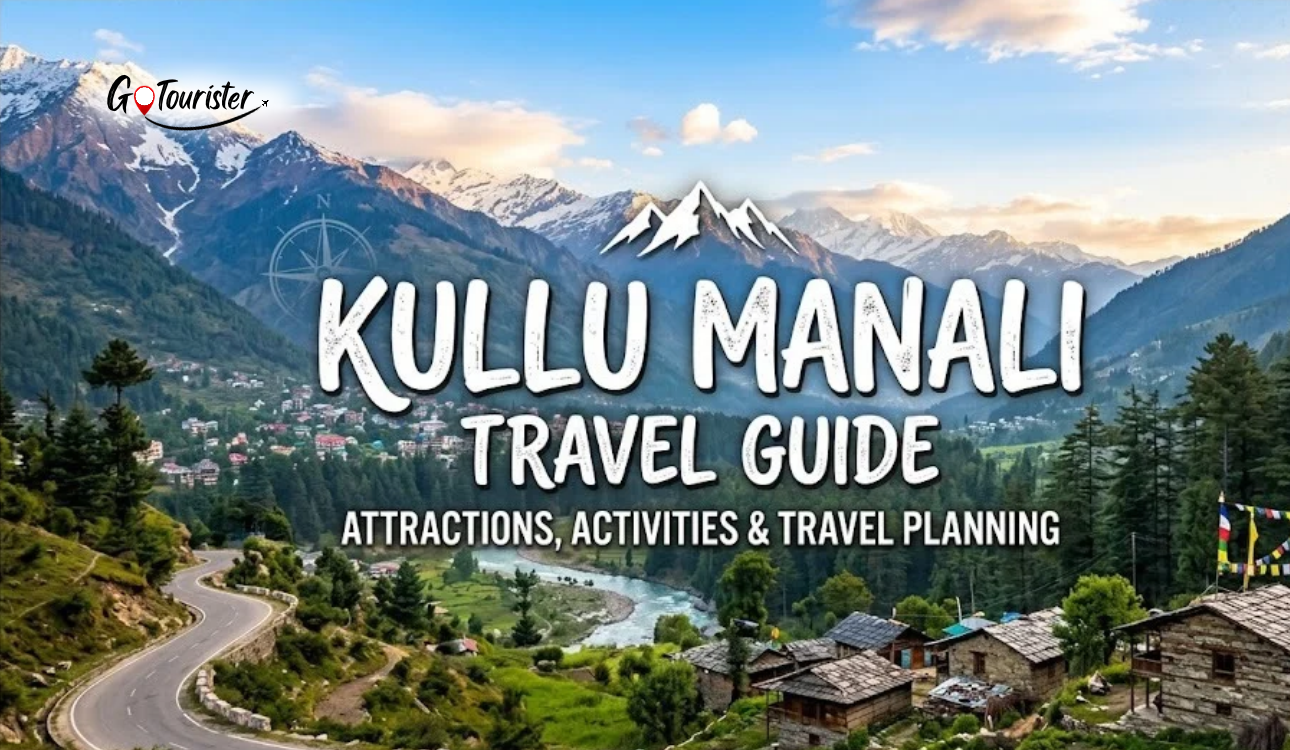
Kullu Manali is one of the most popular travel destinations in Himachal Pradesh, attracting visitors with its beautiful Himalayan mountains, green valleys, flowing rivers, pine forests and peaceful villages. Located in the northern part of India, this region offers a perfect combination of natural beauty, adventure activities, cultural attractions and relaxing mountain experiences. Whether you are planning a family vacation, honeymoon, trip with friends or solo journey, Kullu Manali has something for every type of traveller.
Although Kullu and Manali are often mentioned together, both destinations offer different experiences. Kullu is famous for its traditional culture, temples, scenic river valley and local handicrafts, while Manali is known for its mountain views, cafés, adventure sports and popular tourist attractions. Nearby destinations such as Solang Valley, Naggar, Rohtang Pass and Manikaran further enhance the travel experience.
This Kullu Manali travel guide covers the best places to visit, the ideal time to travel, how to reach the destination, accommodation options, local food, estimated expenses and a practical itinerary to help you plan your trip.
Kullu Manali Travel Guide at a Glance
Kullu Manali is located in Himachal Pradesh and can be visited throughout much of the year, depending on your travel preferences. Summer is popular for sightseeing, winter attracts visitors seeking snow, and autumn offers pleasant conditions for exploring the valleys.
| Travel Information | Details |
|---|---|
| Destination | Kullu and Manali, Himachal Pradesh |
| Ideal trip duration | 4–6 days |
| Best time to visit | March to June and September to November |
| Winter season | December to February |
| Nearest airport | Kullu–Manali Airport, Bhuntar |
| Nearest major railway options | Chandigarh and other suitable railheads |
| Popular attractions | Mall Road, Hidimba Temple, Solang Valley, Naggar Castle and Manikaran |
| Famous activities | Sightseeing, trekking, paragliding, river rafting and seasonal snow activities |
| Suitable for | Families, couples, groups and solo travellers |
| Main travel options | Bus, taxi, car and flight connections via Bhuntar |
Best Places to Visit in Kullu Manali
Kullu Manali has numerous attractions, ranging from popular sightseeing spots to quieter villages and religious destinations. The best approach is to group nearby attractions together so that you can explore comfortably without spending too much time travelling.
1. Manali Mall Road
Manali Mall Road is one of the busiest and most popular places in the town. It is an excellent starting point for first-time visitors who want to experience the local market, try regional food and shop for souvenirs. The road is lined with restaurants, cafés, clothing shops, handicraft stores and businesses selling woollen products.
During the evening, Mall Road becomes particularly lively as tourists come out to enjoy the cool weather and explore the market. You can purchase shawls, caps, jackets, wooden handicrafts and other locally available products. Several restaurants also serve North Indian, Chinese and Himachali dishes.
Mall Road is a convenient area for accommodation because many hotels and restaurants are located nearby. However, traffic and parking can become challenging during weekends, public holidays and peak tourist seasons.
2. Hidimba Devi Temple
Hidimba Devi Temple is one of Manali’s most important historical and religious attractions. Surrounded by tall deodar trees, the temple is known for its traditional wooden architecture and peaceful natural surroundings. It is dedicated to Hidimba Devi, a character associated with the Mahabharata.
The temple’s distinctive pagoda-style structure makes it different from many other temples in the region. Visitors can explore the temple complex, walk through the surrounding forest and enjoy the calm atmosphere away from the crowded market.
Hidimba Devi Temple is suitable for families, couples and travellers interested in history, architecture and local traditions. It is generally easy to combine with a visit to Old Manali and other nearby attractions.
3. Solang Valley
Solang Valley is one of the most famous places to visit near Manali. Surrounded by mountains and open meadows, the valley attracts travellers looking for scenic views and outdoor activities.
During suitable weather conditions, visitors may be able to enjoy activities such as paragliding, zorbing and other adventure experiences. Winter brings the possibility of snow-covered landscapes and seasonal snow activities, depending on snowfall and operating conditions.
Solang Valley is a popular destination for couples, families and groups of friends. Travellers interested in adventure sports should choose authorised operators and confirm safety arrangements, equipment, activity restrictions and prices before participating.
The valley can become crowded during holidays and the winter season. Starting early in the day can help you make better use of your time.
4. Rohtang Pass
Rohtang Pass is a well-known high-altitude destination near Manali, famous for its dramatic mountain scenery and seasonal snow. It attracts visitors who want to experience the higher Himalayas and enjoy panoramic views of the surrounding landscape.
The journey towards Rohtang Pass is an attraction in itself, with mountain roads, valleys and changing scenery along the route. However, access depends heavily on snowfall, weather and official road restrictions.
Rohtang Pass is not open to tourists throughout the year. Permits or other authorisations may be required under the rules in effect at the time of travel. Check current access conditions before making plans, and avoid assuming that the route will be open simply because Manali is accessible.
5. Old Manali
Old Manali offers a relaxed atmosphere compared with the busier central market. The area is known for its traditional houses, narrow streets, cafés, small guesthouses and mountain surroundings.
It is particularly popular among backpackers and travellers who prefer exploring at a slower pace. Visitors can spend time in cafés, walk through the village, enjoy the surrounding scenery and discover small local businesses.
Old Manali is also a good place to experience a different side of the destination beyond conventional sightseeing. Some roads and pathways are steep, so comfortable walking shoes are recommended.
6. Vashisht Village and Hot Springs
Vashisht is a village near Manali known for its temples, traditional architecture and natural hot springs. It offers a cultural experience for visitors who want to explore local religious traditions while enjoying mountain scenery.
The village has small shops, cafés and accommodation options. Visitors can explore the temple area and surrounding lanes, making it a useful addition to a half-day sightseeing plan.
Follow local rules at the bathing facilities and confirm current access arrangements before visiting. Vashisht is particularly suitable for travellers looking for a quieter experience outside the main tourist market.
7. Kullu Valley and Beas River
Kullu Valley is famous for its beautiful landscape, green hills, apple orchards and the Beas River. Compared with the busier tourist areas of Manali, Kullu offers opportunities to explore regional culture and enjoy scenic surroundings at a more relaxed pace.
Visitors can explore local markets, visit temples, purchase traditional woollen products and stop at suitable viewpoints along the valley. River rafting may also be available through authorised operators when weather and water conditions permit.
The Beas River is one of the region’s most recognisable natural features. However, travellers should avoid entering fast-flowing water or approaching unstable riverbanks, particularly during heavy rainfall.
8. Raghunath Temple
Raghunath Temple is an important religious attraction in Kullu and is closely associated with the region’s cultural traditions. The temple is dedicated to Lord Raghunath, a form of Lord Rama, and has an important place in the religious life of the valley.
The temple is also connected with Kullu Dussehra, one of the region’s most celebrated festivals. Travellers interested in local history and religious traditions can include the temple while exploring Kullu town.
Visitors should dress respectfully and follow any local rules regarding entry, ceremonies and photography.
9. Bijli Mahadev Temple
Bijli Mahadev Temple is situated on a mountain ridge overlooking the Kullu Valley. It is known for its religious significance and panoramic views of the surrounding mountains and valleys.
Reaching the temple generally involves a road journey followed by a walk or trek, depending on the route and access conditions. The experience is especially appealing to travellers who enjoy nature and outdoor exploration.
Visitors should wear comfortable shoes, carry drinking water and allow enough time for the return journey. Weather conditions can change quickly at higher elevations, so checking the forecast before setting out is important.
10. Naggar Castle
Naggar is a historic village located between Kullu and Manali. Its main attraction, Naggar Castle, is known for traditional Himalayan architecture that combines stone and timber construction.
The castle provides an opportunity to learn about the region’s heritage while enjoying views of the surrounding landscape. Naggar is also appreciated for its quieter atmosphere, village scenery and nearby cultural attractions.
Travellers who want to explore beyond the usual Manali sightseeing circuit can plan a half-day visit to Naggar. Depending on the itinerary, it can be combined with other nearby attractions.
11. Manikaran Sahib
Manikaran Sahib is a significant Sikh pilgrimage destination located in Parvati Valley. The area is known for its gurudwara, religious importance and natural hot springs. Hindu temples in the surrounding area also attract visitors.
Many travellers visit Manikaran to experience its spiritual atmosphere and explore the scenic Parvati Valley. The destination is generally included in a longer excursion from Kullu or Manali because road travel takes additional time.
If you plan to visit Manikaran on the day of your departure, leave sufficient time for the return journey. Mountain traffic and road conditions can affect travel schedules.
12. Great Himalayan National Park
The Great Himalayan National Park is an important destination for nature lovers, trekkers and wildlife enthusiasts. Located in Kullu district, the protected area is recognised as a UNESCO World Heritage Site and contains diverse Himalayan ecosystems.
The park offers opportunities to experience forests, mountain landscapes and biodiversity. However, it is different from a conventional tourist attraction where visitors simply arrive, take photographs and leave.
Certain areas and trails may require permits, guides or advance arrangements. Check official access information before planning a visit, particularly if you intend to undertake a trek.
Other Places Worth Exploring
If you have additional time, consider visiting Manu Temple, Jogini Falls, Nehru Kund, Jana Waterfall, Kasol, Tirthan Valley, Jalori Pass and Serolsar Lake. Each destination offers a different experience, from village scenery and waterfalls to mountain walks and peaceful riverside surroundings.
However, these attractions are spread across different parts of the region. Choose destinations according to your available time instead of attempting to cover every location in a short trip.
Best Time to Visit Kullu Manali
The best time to visit Kullu Manali depends on your preferred activities and the type of weather you enjoy. The region experiences different conditions throughout the year, and the temperature can vary considerably between the valley and higher mountain areas.
March to June: Summer and Sightseeing
March to June is one of the most popular periods for visiting Kullu Manali. The weather is generally more comfortable for sightseeing, outdoor activities and exploring local markets.
During this period, travellers can visit temples, explore villages, enjoy scenic drives and participate in activities available under suitable conditions. The surrounding landscape becomes greener as the season progresses.
This period is especially suitable for families, honeymoon couples and first-time visitors who want to explore the major attractions without experiencing the most severe winter conditions.
July to August: Monsoon Season
The monsoon season brings greenery and fresh mountain scenery to the region. However, heavy rainfall can cause landslides, road closures and travel delays.
Although some travellers prefer the quieter atmosphere during this period, the weather can make sightseeing unpredictable. If you plan a monsoon trip, monitor official weather advisories and road updates, and keep your itinerary flexible.
Avoid travelling through affected areas during severe weather warnings.
September to November: Autumn Season
September to November can be an attractive time for travellers interested in mountain views, village exploration and cultural experiences. After the monsoon, the landscape can be particularly appealing, although conditions vary from year to year.
This period is also suitable for exploring Kullu’s cultural attractions and visiting destinations such as Naggar. Temperatures gradually become colder as winter approaches, especially during evenings and at higher elevations.
December to February: Winter and Snowfall
Winter attracts visitors hoping to experience snow-covered mountains and cold-weather activities. Solang Valley and other higher areas may offer snow experiences when conditions permit.
However, snowfall is not guaranteed on specific dates, and Manali town may experience different conditions from higher mountain locations. Some roads may become inaccessible due to heavy snow or official restrictions.
Carry warm clothing, check road conditions before travelling and choose accommodation with suitable heating arrangements.
How to Reach Kullu Manali
Kullu Manali is connected to several major cities through road transport and limited regional flight connections. Your best route depends on your departure city, budget and available travel time.
By Air
Kullu–Manali Airport is located at Bhuntar, near Kullu town. It is approximately 10 kilometres from Kullu and around 50 kilometres from Manali by road, although travel times depend on traffic and road conditions.
Flight availability can be limited, so confirm the schedule before booking accommodation or planning onward transfers. Chandigarh is another option for travellers who want to connect to the region by road after arriving by air.
By Train
Manali does not have a broad-gauge railway station. Travellers commonly use railway connections serving Chandigarh or other suitable railheads and continue the journey by road.
Joginder Nagar also has a narrow-gauge railway connection, but it may not be the most convenient option for every itinerary. Compare the complete journey, including road transfers, rather than selecting a station based only on geographical distance.
By Road
Road travel is one of the most popular ways to reach Kullu Manali. Buses, private taxis and personal vehicles connect the region with major cities, including Delhi and Chandigarh.
Approximate road distances to Manali are:
| Starting Point | Approximate Distance |
|---|---|
| Delhi | 530–550 km |
| Chandigarh | 300–320 km |
| Kullu town | Around 40 km |
| Bhuntar Airport | Around 50 km |
Actual distances and journey times vary according to the selected route, traffic, weather and road conditions. Travellers arriving from Delhi often consider overnight buses, while those coming from Chandigarh can compare bus services and private transfers.
Local Transport in Kullu Manali
Getting around Kullu Manali is relatively straightforward when you plan transportation according to the attractions you want to visit. Walking is convenient around central Manali, particularly near Mall Road, while taxis and other local transport options help visitors reach destinations outside the town centre.
For Solang Valley, Naggar, Manikaran and other longer excursions, travellers can consider private taxis or suitable shared tours. If you plan to drive yourself, remember that mountain roads may be narrow, winding and affected by weather.
Before booking a taxi or sightseeing package, confirm the total fare, waiting charges, parking costs and places included in the trip. This helps prevent unexpected expenses during your holiday.
Where to Stay in Kullu Manali
Accommodation options range from budget guesthouses and hostels to family hotels, boutique properties and premium mountain resorts. The right location depends on your itinerary and preferred travel experience.
Manali town centre: This is a practical option for first-time visitors who want convenient access to shops, restaurants and local transport.
Old Manali: This area suits travellers who enjoy cafés, village surroundings and a more relaxed atmosphere.
Solang Valley: Staying near Solang Valley can be appealing for travellers who want mountain scenery and easier access to seasonal outdoor activities.
Naggar: This is a good choice for visitors seeking a quieter stay with heritage attractions and village views.
Kullu town: Kullu is suitable for travellers focusing on the valley’s temples, cultural attractions and local markets.
Parvati Valley: Travellers planning a longer nature-focused trip may consider staying around Kasol or other suitable villages in the valley.
For a first visit lasting four to six days, Manali is generally a convenient base. You can explore nearby attractions through day trips and consider an additional overnight stay elsewhere if your itinerary includes more distant destinations.
During school holidays, public holidays and peak winter periods, book accommodation in advance. Check parking availability, heating facilities, hot water, road access and the distance from the nearest market before confirming your reservation.
Local Food to Try in Kullu Manali
Food is an important part of exploring Himachal Pradesh. Kullu Manali offers traditional Himachali dishes alongside North Indian meals, Tibetan-influenced food and popular café options.
Himachali Dham is a traditional festive meal associated with regional celebrations. Siddu, a steamed bread prepared in local styles, is another dish worth trying. Madra, a regional preparation often made with yoghurt and legumes, is also associated with Himachali cuisine.
Visitors can easily find momos, thukpa, noodles, parathas, North Indian meals and bakery products throughout the main tourist areas. Some restaurants also serve trout dishes.
For a more local food experience, look for restaurants that specialise in Himachali cuisine rather than limiting your meals to the cafés around Mall Road. Availability and preparation styles may vary between restaurants.
Shopping in Kullu Manali
Shopping is another popular activity for visitors exploring the region. Kullu is particularly well known for its woollen shawls, caps and traditional woven products. Manali’s markets offer jackets, winter clothing, handicrafts, jewellery, souvenirs and locally available food products.
Mall Road is one of the most convenient places to shop in Manali, while markets in Kullu offer opportunities to explore regional products. Prices and quality can vary between shops, so compare products before making a purchase.
If you are buying woollen items as gifts, check the material, workmanship and care instructions. Do not assume that all products marketed as traditional shawls are made from the same material.
Festivals and Cultural Experiences
Kullu Manali is known for its religious traditions, local handicrafts and regional festivals. Kullu Dussehra is the most famous celebration in the valley and is generally held in October, with dates determined by the festival calendar.
The festival is recognised for its processions, traditional music and participation by village deities. It provides visitors with an opportunity to understand the cultural identity of Kullu beyond its natural scenery.
Manali and nearby villages also preserve traditional architecture, temples and local customs. Travellers visiting religious sites should dress respectfully and follow local rules regarding photography and access.
If you want to attend Kullu Dussehra, confirm the official dates before booking transport and accommodation because visitor numbers can increase significantly during the festival.
Estimated Budget for a Kullu Manali Trip
The total cost of a Kullu Manali trip depends on the season, accommodation category, travel method, group size and activities. The following estimates provide a general planning guide rather than fixed prices.
| Expense Category | Budget Estimate | Mid-Range Estimate |
|---|---|---|
| Accommodation per person per night, sharing | ₹500–₹1,200 | ₹1,500–₹3,500 |
| Food per person per day | ₹400–₹800 | ₹800–₹1,500 |
| Local transport per person per day | ₹300–₹800 | ₹700–₹1,500 |
| Activities and entry fees per person per day | ₹200–₹800 | ₹500–₹1,500 |
| Estimated 5-day trip excluding intercity travel | ₹7,000–₹18,000 | ₹17,500–₹40,000 |
These figures are indicative and may vary significantly during peak tourist periods. Premium accommodation, private transport and specialised adventure activities can increase the overall cost.
To manage your budget, compare transport options, share accommodation with your travel companions and select activities according to your interests. Before booking a package, check whether meals, transfers, sightseeing, entry fees and permits are included in the advertised price.
Suggested 5-Day Kullu Manali Itinerary
A five-day itinerary provides enough time to explore Manali’s main attractions, visit Solang Valley and experience parts of Kullu Valley without rushing through every destination.
Day 1: Arrival in Manali
Arrive in Manali, check into your accommodation and rest after the journey. Spend the evening exploring Mall Road, shopping for souvenirs and enjoying dinner at a local restaurant.
Day 2: Manali Sightseeing
Visit Hidimba Devi Temple, explore Old Manali and continue towards Vashisht Village. If time permits and the weather is suitable, consider visiting Jogini Falls or another nearby attraction.
Day 3: Solang Valley
Spend the day exploring Solang Valley and enjoying the seasonal activities available. If Rohtang Pass is open and the necessary authorisations are arranged, you can consider including it in the plan. Otherwise, focus on nearby mountain scenery and return to Manali.
Day 4: Naggar and Kullu Valley
Explore Naggar Castle and nearby villages before continuing towards Kullu. Visit local temples, explore the market or enjoy the scenery around the valley. Choose attractions according to your available time and transport arrangements.
Day 5: Manikaran or Departure
If your onward journey allows sufficient time, consider visiting Manikaran Sahib and exploring Parvati Valley. Since this excursion involves additional road travel, skip it if you have a tight flight or train connection. Alternatively, enjoy a relaxed breakfast before beginning your return journey.
Travellers with only three days should prioritise Manali town and Solang Valley. Those with six or seven days can explore more villages, spend additional time in Kullu Valley or plan a separate stay in Tirthan Valley.
Essential Travel Tips for Kullu Manali
Planning ahead helps you enjoy the region more comfortably, especially during winter and the monsoon season.
- Carry warm clothing even during summer because evenings and higher elevations can be cold.
- Check weather forecasts and official road updates before travelling to mountain destinations.
- Allow extra time for road journeys because traffic, construction and weather can cause delays.
- Confirm permits and access requirements before visiting Rohtang Pass or protected areas.
- Use authorised operators for adventure activities and check safety equipment before participating.
- Carry cash and digital payment options because connectivity and payment availability can vary in remote areas.
- Avoid entering fast-flowing rivers or approaching unstable riverbanks.
- Dispose of waste responsibly and respect the region’s natural environment.
- Book accommodation and transport early during holidays and peak snowfall periods.
- Keep your itinerary flexible so that you can adjust plans when weather or road conditions change.
FAQs
How many days are enough for Kullu Manali?
Four to six days is a suitable duration for a first trip. Four days can cover the major Manali attractions and a mountain excursion, while five or six days provide more time for Kullu, Naggar or Manikaran.
Which is better, Kullu or Manali?
Manali is generally better for first-time visitors interested in popular sightseeing spots, cafés, shopping and adventure activities. Kullu is appealing for cultural attractions, temples, traditional products and scenic river valleys. Visiting both destinations provides a more complete travel experience.
What is the best month to visit Kullu Manali?
April to June is popular for sightseeing and pleasant weather, while September and October can be attractive for mountain views and cultural exploration. December to February is suitable for travellers seeking winter scenery, provided they prepare for cold temperatures and possible road restrictions.
Can tourists see snowfall in Manali?
Snowfall is possible during winter, but it is not guaranteed on specific dates or in Manali town. Higher-altitude destinations may receive snow when lower areas remain clear. Check weather forecasts and road conditions before travelling.
Is Kullu Manali suitable for a family vacation?
Yes. Families can enjoy temples, markets, scenic drives, village visits and suitable outdoor activities. A relaxed itinerary, convenient accommodation and attention to road conditions can make the trip more comfortable.
What is the estimated budget for a five-day Kullu Manali trip?
A budget-conscious trip may cost around ₹7,000–₹18,000 per person, excluding travel to and from the destination. A mid-range trip may cost approximately ₹17,500–₹40,000 per person. Actual expenses depend on the season, hotel, transport and activities.
Is Rohtang Pass open throughout the year?
No. Rohtang Pass has seasonal access, and opening dates depend on snow, weather and official restrictions. Check the latest road status and applicable permit requirements before planning a visit.
Can Kullu, Manali and Manikaran be covered in three days?
You can visit selected attractions in three days, but covering all three areas comfortably can be difficult. Manikaran requires additional road travel, so prioritise the places closest to your accommodation and allow enough time for your return journey.
Conclusion
Kullu Manali is an excellent destination for travellers looking to combine mountain scenery, adventure, cultural experiences and relaxation in one holiday. From the lively markets of Manali and the historic Hidimba Devi Temple to the panoramic landscapes of Solang Valley, the heritage of Naggar and the spiritual atmosphere of Manikaran, the region offers experiences for different travel preferences.
For a first visit, plan four to six days, use Manali as your main base and select additional destinations according to your interests. Choose the right season, confirm mountain road conditions and avoid overcrowding your itinerary. With sensible planning, a Kullu Manali trip can offer a memorable introduction to the natural beauty and cultural heritage of Himachal Pradesh.