


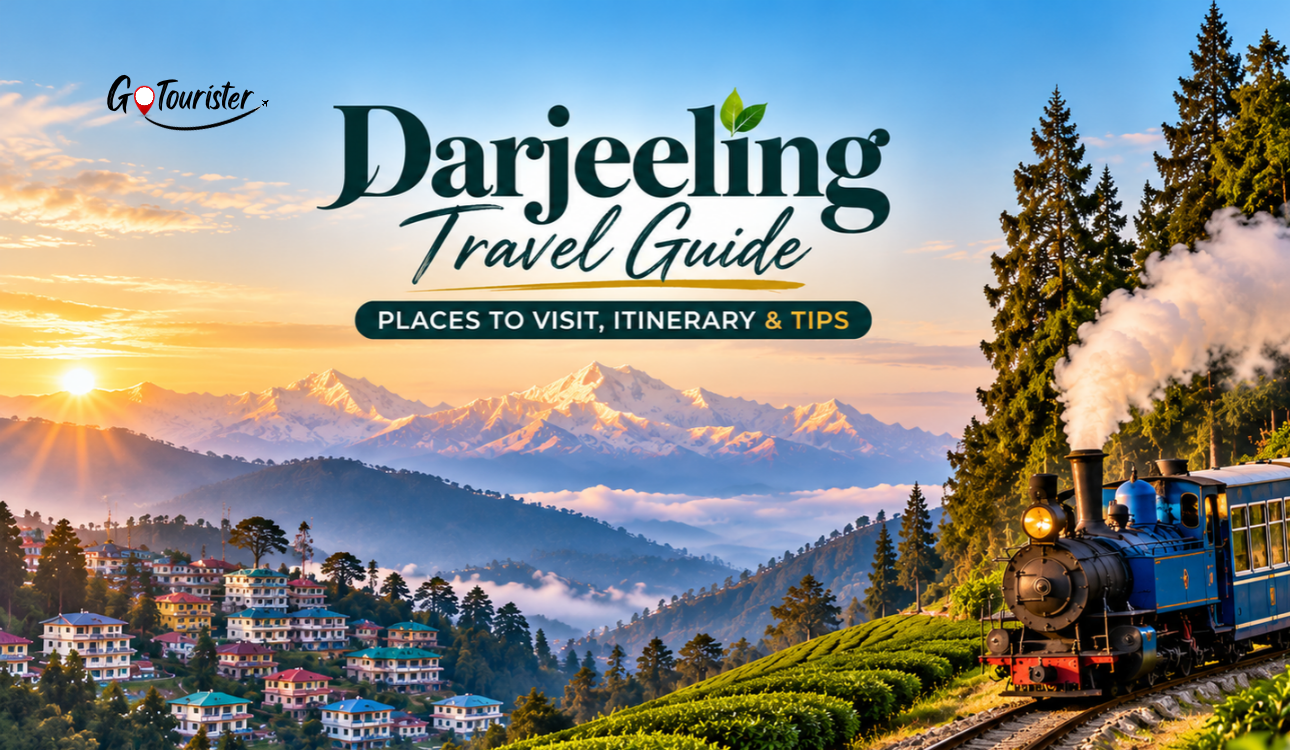
Darjeeling, popularly known as the Queen of the Hills, is one of the most beautiful hill stations in West Bengal, India. Located in the foothills of the eastern Himalayas, this charming destination is famous for its breathtaking mountain views, lush green tea gardens, historic toy train, colonial architecture, and pleasant weather. Whether you are planning a family holiday, a romantic getaway, or a relaxing mountain vacation, Darjeeling offers a memorable travel experience.
The destination is particularly known for its views of Kanchenjunga, the world’s third-highest mountain. On clear mornings, the snow-covered peaks create a spectacular backdrop for the town. Visitors can also explore Buddhist monasteries, enjoy local Himalayan cuisine, shop for Darjeeling tea, and discover the region’s unique cultural heritage.
If you are planning a trip, this Darjeeling travel guide covers the best places to visit, things to do, the best time to travel, how to reach Darjeeling, where to stay, local food, estimated expenses, and a practical itinerary to help you plan your holiday.
Best Places to Visit in Darjeeling
Darjeeling offers a combination of natural attractions, historical landmarks, cultural sites, and scenic viewpoints. Most of the major attractions can be covered over three or four days, depending on your pace and weather conditions.
1. Tiger Hill
Tiger Hill is one of the most famous tourist attractions in Darjeeling, particularly among visitors who want to experience a Himalayan sunrise. Located at a higher elevation than the main town, the viewpoint offers panoramic mountain scenery when the weather is clear.
Many travellers visit Tiger Hill before sunrise to watch the first rays of sunlight illuminate the snow-covered peaks of Kanchenjunga. The changing colours of the mountains create a memorable experience for photographers and nature lovers. However, visibility depends on the weather, so a clear sunrise cannot be guaranteed.
Tiger Hill is generally included in an early-morning sightseeing trip along with Batasia Loop and Ghum. Carry warm clothing because temperatures can be low before sunrise, even during the warmer months.
2. Darjeeling Himalayan Railway
The Darjeeling Himalayan Railway, popularly called the toy train, is one of the most iconic experiences in the region. Recognised as part of a UNESCO World Heritage property, this historic narrow-gauge railway is known for its engineering and scenic mountain route.
A ride on the toy train allows visitors to experience Darjeeling’s heritage while travelling through mountain landscapes and local settlements. Short joy rides around Darjeeling and Ghum are particularly popular with tourists who have limited time.
Because services, departure times, and availability can vary, it is advisable to check the latest timetable and book tickets in advance. Railway enthusiasts and families should consider including this experience in their itinerary.
3. Batasia Loop
Batasia Loop is a remarkable railway engineering attraction where the Darjeeling Himalayan Railway curves around a landscaped area to manage the steep mountain gradient. The location is also popular for its gardens and panoramic views of the surrounding hills.
On clear days, visitors can enjoy views of Kanchenjunga while watching the heritage toy train pass through the loop. Its scenic setting makes it a favourite location for photography.
Batasia Loop is usually visited during the same excursion as Tiger Hill because both attractions are located along a commonly used sightseeing route.
4. Padmaja Naidu Himalayan Zoological Park
The Padmaja Naidu Himalayan Zoological Park is a major attraction for families and wildlife enthusiasts. Located in Darjeeling’s cooler mountain environment, the zoo is particularly known for its conservation work involving Himalayan species such as red pandas and snow leopards.
Visitors can learn about wildlife conservation and the challenges faced by animals living in high-altitude environments. The zoo’s forested surroundings also provide a different experience from conventional city zoos.
The nearby Himalayan Mountaineering Institute can be included in the same sightseeing plan, making this area a good choice for a half-day visit.
5. Happy Valley Tea Estate
Darjeeling is internationally recognised for its tea, and visiting a tea estate is one of the best ways to understand the region’s identity. Happy Valley Tea Estate is among the well-known plantations associated with the hill town.
The estate’s green slopes provide beautiful scenery, particularly for visitors interested in photography and landscapes. Depending on the season and current visitor arrangements, it may also be possible to learn about tea cultivation, processing, and tasting.
Tea production and factory visits are seasonal, so check availability before planning your visit. Purchasing authentic Darjeeling tea can also be a worthwhile addition to your trip.
6. Japanese Temple and Peace Pagoda
The Japanese Temple and Peace Pagoda offer a peaceful escape from Darjeeling’s busy town centre. Surrounded by greenery, these religious landmarks attract visitors interested in architecture, spirituality, and quiet sightseeing.
The Peace Pagoda is recognised for its striking white structure and Buddhist symbolism. The surrounding area provides opportunities to appreciate the landscape while enjoying a calmer atmosphere.
Visitors should maintain appropriate behaviour at religious sites and follow any local instructions regarding photography and access.
7. Chowrasta and Mall Road
Chowrasta and Mall Road are among the best places to experience Darjeeling’s everyday atmosphere. The pedestrian-friendly areas feature cafés, shops, restaurants, and spaces where visitors can relax after a day of sightseeing.
You can spend time enjoying a cup of Darjeeling tea, browsing local handicrafts, purchasing woollen clothing, or simply watching people go about their day. The surrounding streets also offer opportunities to discover older buildings and the town’s colonial-era character.
Rather than treating Chowrasta as a quick sightseeing stop, allow enough time to enjoy the cafés, shopping, and relaxed mountain-town atmosphere.
Best Things to Do in Darjeeling
Apart from visiting its famous attractions, Darjeeling offers several experiences that make a holiday more enjoyable. Travellers can explore tea culture, ride the heritage railway, photograph Himalayan landscapes, and sample local food.
One of the best things to do is enjoy a traditional cup of Darjeeling tea. Local cafés and tea shops offer opportunities to discover different varieties, while selected tea estates may provide additional information about production and tasting.
Food lovers should try regional favourites such as momos, thukpa, aloo dum, and Nepali-style meals. These dishes reflect the cultural influences of the Himalayan region and are widely associated with the local food scene.
Shopping is another enjoyable activity. Markets around Chowrasta and Mall Road offer tea, woollen clothing, souvenirs, handicrafts, and other locally available products. Travellers interested in photography can also explore the town’s hillside streets, tea plantations, and mountain viewpoints.
For a more relaxed holiday, avoid filling every hour with sightseeing. Spending time in a café, walking around the town, or enjoying the mountain scenery can be just as rewarding as visiting major attractions.
Best Time to Visit Darjeeling
Darjeeling can be visited throughout the year, but the best time depends on your preferences for weather, mountain visibility, and outdoor activities.
Spring (March to May): Spring is a popular season for sightseeing because temperatures are generally comfortable and the surrounding hills become greener. It is a good time for families, couples, and travellers planning to explore multiple attractions.
Summer (May to June): Darjeeling provides a refreshing escape from the heat experienced in many Indian cities. However, school holidays can bring larger crowds, so booking hotels and popular activities in advance is advisable.
Monsoon (July to September): The hills become lush and green during the rainy season, but heavy rainfall can reduce visibility and affect road travel. Landslides and temporary road disruptions are possible in the wider region, making flexible travel plans important.
Autumn (October to November): Autumn is often considered one of the best periods to visit Darjeeling because clearer skies can improve the chances of seeing Kanchenjunga. The weather is generally suitable for sightseeing, although popular festival dates can be busy.
Winter (December to February): Winter brings colder mornings and evenings, creating a peaceful atmosphere for travellers who enjoy cold weather. Snowfall in Darjeeling town is not guaranteed, so visitors should not plan their holiday around an expectation of snow.
For most first-time visitors, March to May and October to November are sensible choices. However, mountain weather can change quickly, and visibility is never guaranteed.
How to Reach Darjeeling
Darjeeling is accessible by air, train, and road. Most visitors travel to the Siliguri region before continuing uphill to the town.
By Air
Bagdogra Airport is the main airport used by travellers visiting Darjeeling. It receives flights from several major Indian cities, depending on the current schedule. From the airport, visitors can hire a taxi or arrange a private transfer to Darjeeling.
The road journey generally takes a few hours, but traffic, weather, and road conditions can affect the travel time. Allow sufficient time if you have onward train or flight connections.
By Train
New Jalpaiguri Railway Station, commonly known as NJP, is the main railway gateway for Darjeeling. It is connected to several major Indian cities through long-distance train services.
From NJP, travellers can continue to Darjeeling by taxi or shared vehicle. Those interested in a heritage railway experience can separately check the Darjeeling Himalayan Railway’s operating services.
By Road
Darjeeling is connected to Siliguri, Bagdogra, and nearby hill towns by mountain roads. Taxis, shared vehicles, and private transfers are common transport options.
The journey offers scenic views, but winding roads and occasional congestion can make travel slower than expected. Travellers visiting during the monsoon should check local conditions before departure.
Where to Stay in Darjeeling
Darjeeling offers accommodation options for different budgets, including guesthouses, budget hotels, boutique properties, and luxury heritage hotels.
Budget travellers can consider guesthouses and economical hotels that provide convenient access to the town’s main attractions. Before booking, check the availability of hot water, heating, transport access, and the distance from major walking areas.
Mid-range hotels and boutique properties are suitable for travellers looking for additional comfort and convenient sightseeing arrangements. Some properties offer mountain-facing rooms or balconies, although actual views depend on the weather and room location.
Luxury and heritage hotels are ideal for visitors seeking a premium experience, distinctive architecture, or more extensive facilities. These properties may be located away from the busiest parts of town, so consider transportation when choosing your accommodation.
For a first visit, staying near Chowrasta or Mall Road can make restaurants, shops, and evening walks more accessible. However, travellers with mobility concerns should confirm road access because many parts of Darjeeling involve steep slopes and stairs.
What to Eat in Darjeeling
Darjeeling’s food culture reflects a combination of Nepali, Tibetan, Bengali, and other Himalayan influences. Visitors can find everything from inexpensive local meals to cafés and restaurants serving a variety of cuisines.
Momos are among the most popular dishes and are available in steamed and fried varieties. Thukpa, a noodle soup, is another favourite, especially during cold weather. Travellers should also look for aloo dum, sel roti, shaphaley, and Nepali thalis when exploring local eateries.
Darjeeling tea deserves special attention. The region’s tea is famous for its distinctive aroma and flavour, making it a worthwhile experience for tea enthusiasts. You can enjoy it at local cafés or purchase packaged tea from reputable sellers.
Glenary’s, Kunga Restaurant, and Sonam’s Kitchen are well-known names that travellers may consider exploring. Check current opening hours before visiting, especially during off-season periods.
Darjeeling Travel Budget
The cost of a Darjeeling holiday depends on your travel dates, accommodation, transport choices, and sightseeing plans. The following estimates can help you prepare a preliminary budget.
Budget accommodation may cost approximately ₹1,500–₹3,500 per room per night, while mid-range properties may cost around ₹3,500–₹8,000 or more. Meals can cost approximately ₹500–₹1,200 per person per day, depending on where you eat.
Local transport and sightseeing may add another ₹500–₹1,500 per person per day when costs are shared. Premium hotels, private vehicles, and additional excursions can increase the overall expense.
For a five-day, four-night trip, an indicative budget excluding travel to and from the region could be around ₹6,000–₹10,000 per person for a budget holiday or ₹12,000–₹22,000 for a more comfortable mid-range experience. These figures are planning estimates, not confirmed prices, and actual expenses can vary considerably.
Booking accommodation in advance, using shared transport where practical, and grouping nearby attractions together can help manage costs.
Darjeeling 5-Day Itinerary
A five-day itinerary provides a comfortable balance between sightseeing and relaxation.
Day 1: Arrival and local exploration
Arrive in Darjeeling from Bagdogra or NJP, check into your hotel, and spend the remaining time exploring Chowrasta and Mall Road. Enjoy local food and prepare for the following day’s early-morning excursion.
Day 2: Tiger Hill and heritage attractions
Start early for Tiger Hill to watch the sunrise if the weather permits. Continue to Batasia Loop and Ghum, and include a toy train ride if the timetable and tickets allow. Return to town for an evening walk.
Day 3: Wildlife and mountain heritage
Visit Padmaja Naidu Himalayan Zoological Park and the Himalayan Mountaineering Institute. Later, explore the Japanese Temple and Peace Pagoda if time and transport arrangements permit.
Day 4: Tea gardens and local experiences
Visit Happy Valley Tea Estate if visitor access is available. Consider the Darjeeling Ropeway if it is operating, then spend the afternoon exploring cafés, tasting tea, and shopping for souvenirs.
Day 5: Final sightseeing and departure
Enjoy breakfast, fit in any remaining local sightseeing, and leave for NJP or Bagdogra with sufficient travel time. If you want a toy train ride, schedule it according to the actual departure timetable rather than leaving it until the last minute.
This itinerary should remain flexible because fog, rain, transport delays, and attraction schedules can affect your plans.
Essential Travel Tips for Darjeeling
Before travelling to Darjeeling, keep a few practical points in mind. Carry warm layers throughout the year because temperatures can drop in the morning and evening. Comfortable footwear is important because steep roads, steps, and uneven paths are common.
Book the toy train in advance if it is a priority, and start early for Tiger Hill. Check the current operating status of the ropeway and tea estate tours before travelling specifically for these attractions.
During the monsoon, monitor weather alerts and allow additional time for road journeys. Keep some flexibility in your schedule rather than arranging multiple activities with strict timings.
Choose your hotel carefully, particularly if you are travelling with children or older family members. A property that appears close on a map may still involve a steep walk or difficult road access.
Finally, respect local customs, follow photography rules at religious sites, and support reputable local businesses when purchasing tea and souvenirs.
Frequently Asked Questions
How many days are enough for Darjeeling?
Four to five days are generally sufficient to explore the main attractions, enjoy a toy train ride, visit tea gardens, and experience the local food and markets.
What is Darjeeling famous for?
Darjeeling is famous for Kanchenjunga views, its heritage Himalayan railway, tea plantations, colonial-era architecture, monasteries, and Himalayan-influenced cuisine.
Can I see snow in Darjeeling?
Snowfall in Darjeeling town is not guaranteed and is relatively uncommon. Travellers should check seasonal weather conditions rather than planning their trip around snow.
Is Darjeeling suitable for a family holiday?
Yes. The toy train, zoo, tea gardens, viewpoints, and local markets make Darjeeling suitable for families. Consider the steep terrain and early starts when planning activities.
Which airport is nearest to Darjeeling?
Bagdogra Airport is the main airport serving Darjeeling. Travellers can continue to the hill town by taxi or pre-arranged road transfer.
Is Darjeeling expensive to visit?
Darjeeling can suit budget, mid-range, and premium travellers. Accommodation, private transport, and travel during peak holiday periods are among the main factors affecting the total cost.
Conclusion
Darjeeling is a wonderful destination for travellers looking for mountain scenery, cultural experiences, historic attractions, and a relaxing holiday. From watching the sunrise at Tiger Hill to exploring the tea gardens and riding the heritage toy train, the town offers a diverse range of experiences for visitors of different ages and interests.
The best way to enjoy Darjeeling is to plan the major attractions in advance while leaving enough free time to appreciate the local atmosphere. Choose a suitable season, arrange comfortable accommodation, and keep your itinerary flexible enough to accommodate changing mountain weather.
With four to five days available, you can experience the highlights of Darjeeling and create a memorable Himalayan holiday.