


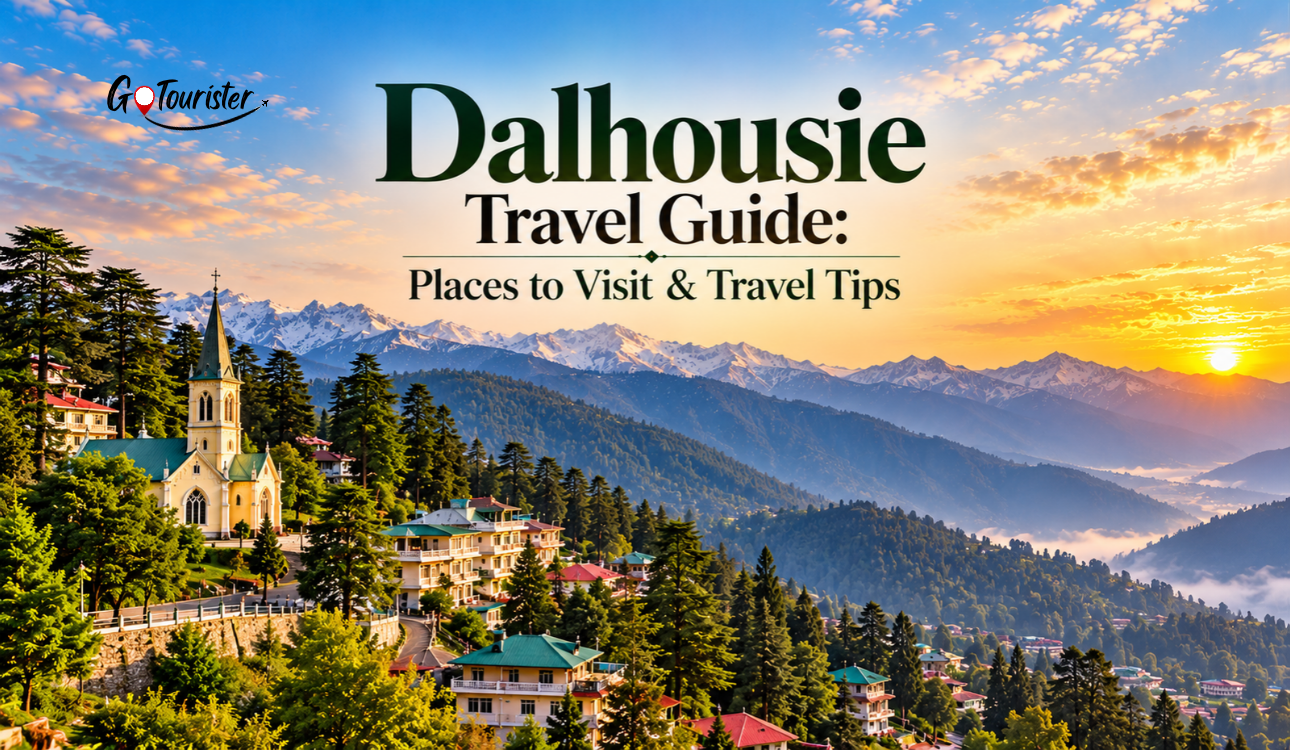
Dalhousie is a beautiful hill station in Himachal Pradesh, known for its pine-covered mountains, colonial-era buildings, peaceful walking trails and spectacular Himalayan scenery. Spread across several hills in the Chamba district, this charming destination offers a refreshing break from crowded cities and busy tourist centres.
Unlike hill stations famous mainly for adventure activities, Dalhousie appeals to travellers who enjoy scenic drives, forest walks, relaxed sightseeing and quiet mountain surroundings. Its pleasant summer weather, historic churches, traditional markets and nearby natural attractions make it suitable for couples, families and nature lovers.
One of the biggest reasons to visit Dalhousie is its proximity to Khajjiar, a picturesque meadow surrounded by deodar forests that is often called the Mini Switzerland of India. Travellers can also explore Dainkund Peak, Panchpula, Kalatop Wildlife Sanctuary and the historic town of Chamba during a longer holiday.
This Dalhousie travel guide explains the best places to visit, things to do, ideal travel season, transportation options, accommodation, local food and a suggested itinerary to help you plan your trip.
Why Visit Dalhousie?
Dalhousie is an excellent choice for travellers looking for a mountain holiday without an overly demanding sightseeing schedule. The destination combines natural beauty with colonial heritage, traditional Himachali culture and easy opportunities for outdoor exploration.
The surrounding landscape changes throughout the year. Summer brings green hills and comfortable sightseeing weather, monsoon adds fresh greenery and mist, autumn offers clear mountain views on suitable days, and winter can bring cold temperatures and occasional snowfall.
Dalhousie is particularly appealing for:
- Couples looking for a peaceful mountain getaway.
- Families planning a relaxed Himachal Pradesh holiday.
- Nature lovers interested in forests, meadows and mountain viewpoints.
- Photography enthusiasts searching for scenic landscapes.
- History lovers interested in colonial architecture and old churches.
- Travellers who want to combine a hill station stay with Khajjiar and Chamba.
If you prefer slow travel over packed schedules, Dalhousie allows you to spend time enjoying the surroundings rather than constantly moving between attractions.
Best Places to Visit in Dalhousie
1. Khajjiar
Khajjiar is one of the most famous attractions near Dalhousie and a highlight of many Himachal Pradesh itineraries. Located amid green meadows and dense deodar forests, this scenic destination is known for its open landscape and peaceful mountain atmosphere.
The central meadow offers plenty of space to walk, relax and photograph the surrounding scenery. On clear days, the combination of forested hills and distant mountains makes the area particularly attractive.
Visitors can enjoy leisurely walks, horse rides where available and time around the meadow. Khajji Nag Temple, located nearby, adds a cultural and historical element to the visit.
Khajjiar is usually explored as a day trip from Dalhousie. However, road conditions, weather and seasonal access can influence travel time, so allow enough flexibility in your schedule.
2. Dainkund Peak
Dainkund Peak is among the best places around Dalhousie for panoramic mountain views. Its elevated position provides a different perspective of the surrounding valleys, forest-covered slopes and distant Himalayan ranges.
The area is popular with travellers who enjoy short hikes and scenic viewpoints. The walk towards the summit is an attraction in itself, particularly when the weather is clear.
Pholani Devi Temple is another notable stop in the area. Visitors should wear suitable footwear, carry water and check local access conditions before starting the walk.
For the best experience, plan your visit during daylight hours and avoid attempting the route during poor weather or heavy fog.
3. Panchpula
Panchpula is a popular natural attraction surrounded by greenery, streams and forested hills. Its name is associated with the meeting of several water streams in the area.
The destination is suitable for a relaxed outing, particularly for families and visitors who want to enjoy nature without planning a long trek.
Panchpula is also associated with Sardar Ajit Singh, an Indian freedom fighter whose memorial is located here. This historical connection adds another reason to include the site in your sightseeing plan.
The surrounding scenery can be especially attractive after rainfall, although slippery paths and changing weather conditions require caution.
4. Kalatop Wildlife Sanctuary
Kalatop Wildlife Sanctuary is known for its dense forests, walking routes and mountain scenery. Located in the hills near Dalhousie, it offers a quieter alternative to busy market areas.
The forest environment includes deodar, oak and other trees, while the wider region supports a variety of Himalayan wildlife and birdlife. Sightings of wild animals are never guaranteed, so the main attraction is often the forest atmosphere itself.
Nature lovers can explore permitted trails, enjoy photography and appreciate the peaceful surroundings.
Before visiting, check current entry arrangements, vehicle restrictions and trail conditions. If you are travelling with children or older family members, choose walking routes according to their comfort and fitness levels.
5. St. John’s Church
St. John’s Church is one of Dalhousie’s notable colonial-era landmarks. Located near the Gandhi Chowk area, the church reflects the town’s historical connection with the British period.
Its architectural character and peaceful surroundings make it worth visiting during a town sightseeing walk. The area around the church is also convenient for exploring nearby shops and cafés.
Visitors interested in architecture and local history can combine this stop with other landmarks around the main market area.
6. St. Francis Church
St. Francis Church is another well-known religious and architectural landmark in Dalhousie. It is appreciated for its historic character and setting among the town’s greenery.
The church offers a quieter sightseeing experience and can be included in a short heritage-focused tour of the hill station.
As with other religious places, visitors should respect local customs, maintain a peaceful atmosphere and check opening arrangements before planning their visit.
7. Subhash Baoli
Subhash Baoli is a peaceful natural spot surrounded by tall trees and scenic mountain landscapes. It is associated with Subhas Chandra Bose, who is believed to have spent time in Dalhousie during the 1930s.
The area is suitable for visitors who enjoy walking and exploring quieter corners of the hill station. Its appeal comes from the combination of greenery, historical associations and a relaxed atmosphere.
It can be a good addition to your itinerary if you want to explore more than the main market and popular viewpoints.
8. Gandhi Chowk and Mall Road
Gandhi Chowk is one of the main commercial areas in Dalhousie and a convenient starting point for exploring the town.
The surrounding streets offer shops, cafés, restaurants and opportunities to purchase local products. It is also a practical place to stop for refreshments after a day of sightseeing.
Walking through the market area allows visitors to experience the town’s relaxed pace while enjoying views of the surrounding hills from suitable viewpoints.
Evenings are generally a good time to explore the local market, provided weather and visibility are favourable.
9. Sach Pass
Sach Pass is a high-altitude mountain pass in the Chamba region, known for dramatic landscapes, winding roads and challenging mountain driving conditions.
It is not a regular sightseeing stop for every Dalhousie visitor. The pass is more suitable for experienced road-trip travellers who are specifically interested in remote Himalayan routes.
Access is highly seasonal and can be affected by snow, rain, road damage and administrative restrictions. Do not assume that the pass will be open simply because you are visiting during summer.
If you are considering a trip to Sach Pass, check current road conditions and official local guidance before making plans.
10. Chamera Lake
Chamera Lake is a scenic reservoir near Dalhousie, surrounded by mountain slopes and forested landscapes. It is a popular option for travellers who want to add a water-based experience to their hill station holiday.
Depending on current operations and weather, visitors may find boating or other organised activities available in designated areas.
The lake is also a worthwhile stop for photography and enjoying the scenery. Confirm activity availability before travelling specifically for boating, as local arrangements can change.
11. Chamba Town
Chamba is a historic town in Himachal Pradesh and a useful extension to a Dalhousie holiday. It is known for its temples, traditional architecture, local crafts and cultural heritage.
The town provides a different experience from Dalhousie’s forested hills. Travellers can explore historic landmarks, visit local markets and learn more about the traditions of the Chamba region.
If you have additional time, consider including Chamba in a full-day excursion or as part of a longer itinerary through the district.
Best Things to Do in Dalhousie
Beyond visiting famous attractions, Dalhousie offers several simple experiences that make a mountain holiday more enjoyable.
Enjoy Scenic Mountain Walks
Walking is one of the best ways to experience Dalhousie’s natural surroundings. Explore suitable roads and walking routes lined with pine and deodar trees while enjoying views of the hills.
Wear comfortable shoes and avoid unfamiliar forest paths without local guidance.
Take a Day Trip to Khajjiar
Set aside enough time for Khajjiar rather than treating it as a quick photography stop. Enjoy the meadow, visit the nearby temple and relax in the natural surroundings.
Weather can change quickly in the mountains, so keep your plans flexible.
Explore Colonial Architecture
Dalhousie’s historic churches and older buildings offer a glimpse into the development of the hill station during the colonial period.
Combine these landmarks with a walk around Gandhi Chowk to create an easy heritage-focused outing.
Experience Local Himachali Food
Try regional dishes and traditional preparations at local restaurants. A Himachali meal can add a cultural dimension to your trip, particularly if you enjoy exploring regional cuisines.
Ask restaurants about available local specialities, as menus vary between establishments.
Enjoy Photography
Dalhousie offers opportunities to photograph forest roads, mountain viewpoints, colonial architecture, misty hills and open meadows.
Early morning can provide attractive light and quieter surroundings, although the best conditions depend on the season and weather.
Visit Local Markets
Spend time browsing the shops around Gandhi Chowk and other commercial areas. You may find woollen clothing, local handicrafts, souvenirs and regional food products.
Compare prices before buying, especially for products described as handmade or locally sourced.
Best Time to Visit Dalhousie
Dalhousie can be visited throughout the year, but the best season depends on whether you prefer comfortable sightseeing, lush green landscapes or winter weather.
Summer: March to June
Summer is one of the most popular periods to visit Dalhousie. Temperatures are generally more comfortable than in the plains, making it suitable for sightseeing, walking and day trips to Khajjiar.
This is a good season for families, couples and first-time visitors. However, popular holiday dates can be busy, so booking accommodation and transport early is sensible.
Monsoon: July to September
The monsoon season transforms the surrounding hills into a greener landscape. Mist, clouds and fresh vegetation can make Dalhousie particularly scenic.
However, heavy rain may cause landslides, road disruptions and delays. Outdoor activities and mountain excursions may become less predictable during this period.
If travelling in the monsoon, check local weather forecasts and road updates before setting out. Avoid trekking or driving through unsafe conditions simply to follow a fixed itinerary.
Autumn: October to November
Autumn can be an attractive time to visit for travellers who prefer cooler weather and a quieter atmosphere.
Clear days may offer excellent views of the surrounding mountains, while the changing season creates a pleasant setting for walks and sightseeing.
Carry warm clothing, particularly for mornings and evenings.
Winter: December to February
Winter brings cold temperatures to Dalhousie, and snowfall is possible during suitable weather conditions. Nearby higher-altitude areas may experience more substantial snow.
A winter visit can be memorable for travellers who enjoy cold mountain weather. However, snowfall in Dalhousie itself is not guaranteed, and road access may be affected by weather.
Pack proper winter clothing, check road conditions and confirm your accommodation’s heating arrangements before travelling.
How to Reach Dalhousie
Dalhousie is connected to other parts of Himachal Pradesh and northern India by road. The best route depends on your starting city, travel budget and preferred transport.
By Air
The nearest commonly used airport is Kangra Airport at Gaggal, near Dharamshala. However, flight availability and onward road connections should be checked before booking.
Pathankot and other regional transport connections may also be considered depending on your route.
After arriving at the airport, travellers generally need a taxi or another road transfer to reach Dalhousie. Compare the total journey time and flight availability before deciding whether flying is the most practical option.
By Train
Pathankot is a commonly used railway gateway for Dalhousie. Travellers arriving at Pathankot can continue by taxi or bus, depending on availability.
The onward journey involves mountain roads, so allow extra time for traffic and weather-related delays.
If you are travelling from a distant city, compare train arrival times with available road connections before finalising your itinerary.
By Road
Dalhousie can be reached by road from Pathankot, Dharamshala and other destinations in northern India.
Private cars, taxis and buses are among the available travel options, depending on the route and departure point.
The journey through the hills can be scenic, but travel times vary with road conditions, traffic and weather. During the monsoon and winter, check current road updates and avoid planning transfers too tightly around flight or train departures.
How to Travel Around Dalhousie
Local sightseeing can be arranged through taxis, private vehicles and walking routes.
A taxi is useful for reaching attractions outside the main town, including Khajjiar, Dainkund Peak and other nearby destinations. If you plan to visit several places in one day, agree on the route, waiting time and total fare in advance.
Walking is suitable for exploring selected areas around Gandhi Chowk, churches and local shops. However, Dalhousie is spread across hilly terrain, so distances that appear short on a map can involve steep roads.
For forest areas, mountain viewpoints and remote attractions, check whether private vehicles are permitted and whether local transport arrangements are required.
Famous Food to Try in Dalhousie
Food is an enjoyable part of exploring Dalhousie and the wider Chamba region. Restaurants serve a mix of North Indian favourites, Tibetan-inspired dishes and regional Himachali preparations.
Dham
Dham is a traditional Himachali feast associated with festivals, weddings and community gatherings. The dishes vary by region and may include rice, lentils, yoghurt-based preparations and other local specialities.
If you want to try an authentic version, ask local restaurants whether a traditional Himachali meal is available.
Madra
Madra is a well-known Himachali preparation commonly made with legumes cooked in a yoghurt-based gravy and aromatic spices. Ingredients and recipes differ across the region.
It is worth trying if you want to explore local cuisine beyond standard restaurant menus.
Siddu
Siddu is a traditional Himachali steamed bread made from wheat dough, often served with ghee or accompaniments. Availability depends on the restaurant.
Chana Madra and Other Regional Dishes
Some restaurants offer regional preparations featuring chickpeas, beans, lentils and local spices. Ask about the day’s menu if you want to sample more traditional food.
Tibetan-Inspired Food
You may also find momos, thukpa and other Tibetan-inspired dishes in the local restaurant scene. These can be comforting options during cold weather.
Tea, Coffee and Bakery Snacks
Dalhousie’s cafés and bakeries are suitable for relaxed breaks between sightseeing stops. Enjoy a warm drink while taking in the mountain atmosphere.
Where to Stay in Dalhousie
Dalhousie offers a range of accommodation, from budget guesthouses and family hotels to premium mountain-view properties.
Around Gandhi Chowk
Staying near Gandhi Chowk is convenient for visitors who want access to shops, restaurants and parts of the town that can be explored on foot.
This location can be suitable for short trips where convenience is a priority.
Near Subhash Chowk
The Subhash Chowk area offers another option for travellers looking for access to parts of the town and nearby attractions. Compare the property’s exact location, road access and facilities before booking.
Scenic Mountain-View Hotels
Properties outside the busiest commercial areas may offer quieter surroundings and attractive views. However, you may need transport for restaurants, markets and sightseeing.
Accommodation Near Khajjiar
If your main priority is enjoying Khajjiar’s meadow and surrounding landscape, consider whether staying in the area suits your itinerary.
Availability, restaurant options and transport can be more limited than in the main town, so compare the facilities carefully.
Booking tip: Check recent guest reviews, room heating, parking, road access, meal arrangements and cancellation policies. During peak summer dates and popular holiday periods, reserve accommodation in advance.
Suggested 3-Day Dalhousie Itinerary
Three days is a practical duration for exploring Dalhousie’s main attractions and visiting Khajjiar without rushing through every stop.
Day 1: Dalhousie Town and Heritage
Begin your morning with a relaxed breakfast before exploring the town’s main attractions.
Visit St. John’s Church and St. Francis Church, depending on opening hours and your interests. Continue towards Gandhi Chowk and nearby market streets for shopping and lunch.
In the afternoon, visit Subhash Baoli or Panchpula if road and weather conditions permit.
Spend the evening at a local café or restaurant and enjoy the quieter side of the hill station.
Overnight: Dalhousie.
Day 2: Khajjiar and Kalatop
Start early for Khajjiar, allowing time for the journey and a relaxed exploration of the meadow.
Walk around the open landscape, visit Khajji Nag Temple and enjoy the surrounding forest views. Afterward, continue towards Kalatop Wildlife Sanctuary if access, weather and timing permit.
Enjoy a forest walk or scenic stop where permitted. Return to Dalhousie before it gets late, particularly during winter or periods of poor visibility.
Overnight: Dalhousie.
Day 3: Dainkund Peak and Local Exploration
Visit Dainkund Peak in the morning for mountain views and a walk towards the viewpoint, subject to weather and access conditions.
After returning, spend some time shopping for local products or enjoying lunch in town.
If you prefer a more relaxed day, skip additional driving and enjoy the surrounding scenery before beginning your return journey.
Alternative: If you are interested in regional history, consider Chamba as an alternative excursion, provided you have enough time for the road journey.
Suggested 4-Day Dalhousie Itinerary
If you have four days, you can explore the region at a more relaxed pace.
Day 1: Explore Dalhousie town, Gandhi Chowk and historic churches.
Day 2: Spend the day at Khajjiar and visit nearby attractions according to weather and road conditions.
Day 3: Explore Dainkund Peak, Panchpula or Kalatop Wildlife Sanctuary.
Day 4: Take a trip towards Chamba or enjoy a slower day in Dalhousie before departure.
A fourth day is particularly useful for families, photographers and travellers who want flexibility in case mountain weather affects their original plans.
Places to Visit Near Dalhousie
Dalhousie’s location makes it a useful base for exploring other destinations in the Chamba region.
Khajjiar
Khajjiar is the most popular nearby excursion, known for its green meadow, surrounding deodar forests and relaxed outdoor atmosphere.
Chamba
Chamba offers historic temples, traditional architecture, regional handicrafts and a deeper look at local culture.
Bharmour
Bharmour is known for its religious heritage, mountain scenery and association with the Chaurasi Temple complex. It is better suited to travellers who have additional time and are comfortable with longer road journeys.
Chamera Lake
Chamera Lake offers scenic water and mountain views. Activity availability varies, so check current arrangements if you want to include boating.
Sach Pass
Sach Pass is an option for travellers interested in challenging mountain roads and remote landscapes. Its seasonal access and demanding conditions make advance planning essential.
These destinations are not interchangeable short stops. Consider road distances, weather and your available time before combining several of them in one itinerary.
Estimated Budget for a Dalhousie Trip
The cost of a Dalhousie holiday depends on where you start, how you travel, the season, accommodation standards and the number of sightseeing excursions you choose.
Budget travellers can reduce expenses by using economical accommodation, choosing simple meals and sharing transport. Mid-range travellers may prefer comfortable hotels, private sightseeing taxis and a mix of local restaurants and cafés. Premium travellers can choose upgraded hotels, scenic properties and customised transport.
Your main expenses will usually include:
- Travel to and from Dalhousie.
- Hotel or guesthouse accommodation.
- Food and refreshments.
- Local taxis and sightseeing transfers.
- Entry fees or activity charges where applicable.
- Shopping and miscellaneous expenses.
The cost of reaching Dalhousie can vary substantially between visitors arriving by train, bus, private car or flight followed by a road transfer.
For an accurate budget, compare current transport and hotel prices for your dates. Add a reserve for weather-related changes, additional taxi journeys and unexpected delays.
Essential Travel Tips for Dalhousie
A few simple precautions can make your trip more comfortable and help you avoid common planning mistakes.
- Pack according to the season: Carry light layers for warmer months and proper winter clothing during colder periods.
- Check weather conditions: Rain, fog and snowfall can affect visibility and road access.
- Book accommodation early: Summer holidays and long weekends can increase demand.
- Keep time for road journeys: Mountain routes often take longer than expected.
- Wear comfortable footwear: Many attractions involve uneven paths, slopes or walking trails.
- Carry cash and digital payment options: Payment facilities can vary between shops and remote locations.
- Check attraction access: Forest trails, viewpoints and high-altitude roads may have restrictions.
- Avoid relying on snowfall predictions: Snow is weather-dependent and cannot be guaranteed.
- Respect nature: Avoid littering, disturbing wildlife or entering restricted forest areas.
- Plan flexible sightseeing: Keep alternative activities available in case of rain or poor visibility.
- Check your return connections: Allow enough time to reach your railway station or airport without rushing.
Is Dalhousie Worth Visiting?
Yes, Dalhousie is worth considering if you want a peaceful hill station holiday with a combination of mountain scenery, colonial heritage, forest walks and nearby natural attractions.
It may not offer the same level of nightlife or adventure infrastructure as some larger tourist destinations, but that is part of its appeal. Dalhousie is best enjoyed at a relaxed pace, with enough time to appreciate the views, explore local streets and take short excursions into the surrounding hills.
For most first-time visitors, three days is a good starting point. If you want to include Chamba or explore additional mountain routes, consider four to five days.
Conclusion
Dalhousie is a rewarding destination for travellers looking to experience the natural beauty and cultural character of Himachal Pradesh. From the open meadows of Khajjiar to the forest trails around Kalatop and the scenic views from Dainkund Peak, the region offers plenty of opportunities for a memorable mountain holiday.
The best way to explore Dalhousie is to balance sightseeing with relaxation. Choose a suitable travel season, organise attractions by location and allow enough time for mountain journeys. With a little preparation, Dalhousie can be an excellent choice for a family holiday, romantic escape or refreshing weekend away from city life.
FAQs
How many days are enough for Dalhousie?
Three days are generally enough to explore Dalhousie town, visit Khajjiar and see selected nearby attractions. Four days provide more flexibility for Chamba, additional viewpoints and relaxed sightseeing.
What is Dalhousie famous for?
Dalhousie is famous for its colonial architecture, pine and deodar forests, mountain views, peaceful walking routes and proximity to Khajjiar, Dainkund Peak and Kalatop Wildlife Sanctuary.
Which month is best to visit Dalhousie?
April to June is popular for comfortable sightseeing and greenery. September to November can appeal to travellers who prefer cooler weather. Winter is suitable for those who enjoy cold temperatures, although snowfall is not guaranteed.
Is Khajjiar near Dalhousie?
Yes, Khajjiar is a popular excursion from Dalhousie. It is known for its meadow, forest surroundings and scenic landscape. Actual travel time depends on road conditions, traffic and weather.
Can Dalhousie be visited in winter?
Yes. Dalhousie can be visited during winter, but temperatures may be very low and snowfall can affect roads and transport. Carry warm clothing and check local conditions before travelling.
How can I reach Dalhousie by train?
Pathankot is a commonly used railway gateway for Dalhousie. From there, visitors can continue by taxi or bus, depending on available services and their preferred travel arrangements.
Is Dalhousie suitable for a family trip?
Yes. Dalhousie is suitable for families who enjoy scenic drives, relaxed sightseeing, markets and nature. Choose walking routes and excursions according to the ages and mobility of family members.
What are the best places to visit near Dalhousie?
Popular options include Khajjiar, Kalatop Wildlife Sanctuary, Dainkund Peak, Panchpula, Chamba and Chamera Lake. Sach Pass is a more demanding, seasonal option for experienced mountain travellers.
Does it snow in Dalhousie?
Dalhousie can receive snowfall during suitable winter weather, but it is not guaranteed every year or on every travel date. Higher-altitude areas nearby may have different snow conditions.
What should I pack for Dalhousie?
Pack comfortable walking shoes, weather-appropriate clothing, a warm jacket, personal medicines, essential documents and rain protection when needed. In winter, bring adequate thermal layers and other cold-weather essentials.