


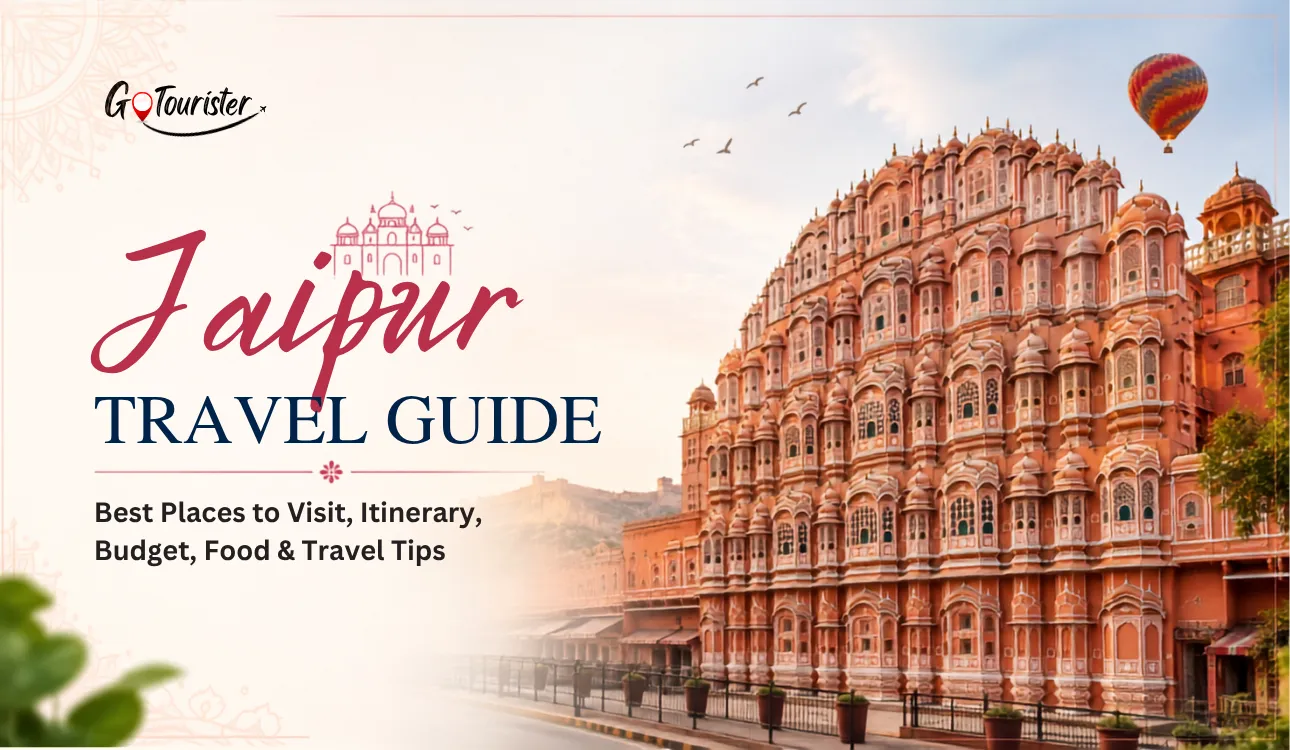
Jaipur, the capital of Rajasthan, is one of India’s most rewarding destinations for travellers who want to experience history, architecture, culture and food in one trip. Known worldwide as the Pink City, Jaipur combines magnificent forts and royal palaces with busy bazaars, colourful streets and a food culture that makes exploring the city as enjoyable as sightseeing.
For international visitors, Jaipur offers an accessible introduction to Rajasthan’s royal heritage and traditional culture. For Indian travellers, it is an easy destination for a weekend break, family holiday, heritage trip or longer Rajasthan itinerary.
This Jaipur Travel Guide brings together the practical information you need to plan a first visit. From the best places to visit in Jaipur and the ideal time to travel to suggested itineraries, accommodation areas, local food, transport and budget planning, this guide will help you organise your trip with confidence.
Whether you have two days or several days in the city, Jaipur offers enough variety to create a memorable trip at almost any budget.
Why Visit Jaipur?
Jaipur is one of the best-known destinations in India’s Golden Triangle and an important centre of Rajasthan’s history and culture. The city was founded in the 18th century and is closely associated with Rajput rulers, royal architecture and carefully planned urban design.
The city’s nickname, the Pink City, comes from the distinctive colour used across much of the historic walled city. Walking through the older parts of Jaipur gives visitors a sense of the city’s character, with historic gateways, traditional buildings, temples and busy commercial streets.
History and architecture
Jaipur’s major attractions range from hilltop forts and royal residences to astronomical instruments and museums. The architecture reflects a combination of Rajput, Mughal and later influences.
Places such as Amer Fort, City Palace and Nahargarh Fort provide different perspectives on Jaipur’s royal past, while Hawa Mahal remains one of the city’s most recognisable landmarks.
Culture and local experiences
Jaipur is also a good destination for travellers interested in crafts and traditional shopping. The city is known for jewellery, textiles, block printing, blue pottery and other Rajasthani handicrafts.
Markets are an important part of the Jaipur travel experience, particularly around the old city. Even travellers who are not planning to shop may enjoy exploring the streets and observing the everyday energy of Jaipur tourism.
Food
Jaipur’s food scene ranges from traditional Rajasthani dishes to street snacks, sweets and contemporary restaurants. A visit can include everything from dal baati churma and gatte ki sabzi to kachori and local desserts.
A convenient introduction to Rajasthan
Jaipur is relatively well connected by air, rail and road, making it an easy starting point for a wider Rajasthan journey. It can also work as a standalone short break from Delhi and several other major Indian cities.
Where Is Jaipur Located?
Jaipur is located in the eastern part of Rajasthan in northwestern India. It is the state capital and one of Rajasthan’s most important transport hubs.
The city is approximately 250–300 kilometres from Delhi by road, depending on the route. This makes Jaipur a popular destination for travellers combining Delhi, Agra and Jaipur or planning a broader Rajasthan itinerary.
Jaipur’s airport, railway connections and major highways make the city accessible from many parts of India. International visitors commonly reach Jaipur through connecting flights or travel from Delhi and other major Indian gateways.
How to Reach Jaipur
By Air
Jaipur International Airport connects the city with several domestic destinations, while international connectivity may vary by airline and season.
The airport is located outside the historic core, and travellers can generally reach central accommodation by taxi or app-based transport. Travel time depends heavily on traffic and the location of your hotel.
For international travellers, flying into Delhi and continuing to Jaipur by domestic flight, train or road is another common option.
Flight schedules and routes can change, so it is best to check current airline availability before finalising your Jaipur travel plans.
By Train
Jaipur Junction is one of the city’s main railway stations and is well connected with Delhi, Mumbai, Ahmedabad and many other Indian cities.
Train travel can be a practical choice for domestic travellers and visitors already travelling through northern India. Depending on your departure city, there may be multiple train categories and travel classes available.
Advance booking is advisable during major holidays, long weekends and the peak tourist season.
By Road
Jaipur is connected by highways with Delhi and many other cities in Rajasthan and northern India.
Travellers can reach Jaipur by private car, taxi or intercity bus. Road travel can be particularly convenient for visitors travelling from Delhi, Agra, Ajmer, Udaipur or nearby destinations.
Driving times depend on traffic, road conditions and stops along the route, so allow flexibility when planning onward travel.
Best Time to Visit Jaipur
For most travellers, the cooler months are generally the most comfortable time for sightseeing. Jaipur can experience very hot temperatures during the peak summer period, while the monsoon season brings changing weather conditions.
| Season | What to Expect | Best For |
| October to March | Generally cooler and more comfortable for outdoor sightseeing | First-time visitors and heritage sightseeing |
| April to June | Hot weather, especially during the day | Travellers comfortable with heat and potentially quieter sightseeing |
| July to September | Monsoon conditions and variable weather | Travellers seeking a different seasonal atmosphere |
The most popular travel period is generally during the cooler months, particularly around holidays and festivals. Hotels and transport may be busier during these periods.
If you visit during summer, plan major outdoor attractions early in the morning or later in the afternoon. Carry water, sun protection and light clothing.
Weather patterns can vary from year to year, so check the forecast before travelling.
Best Places to Visit in Jaipur
Jaipur has a wide range of attractions, and first-time visitors should plan their sightseeing geographically where possible. This helps reduce unnecessary travel time across the city.
Here is a brief overview of the major places to visit in Jaipur.
1. Amer Fort
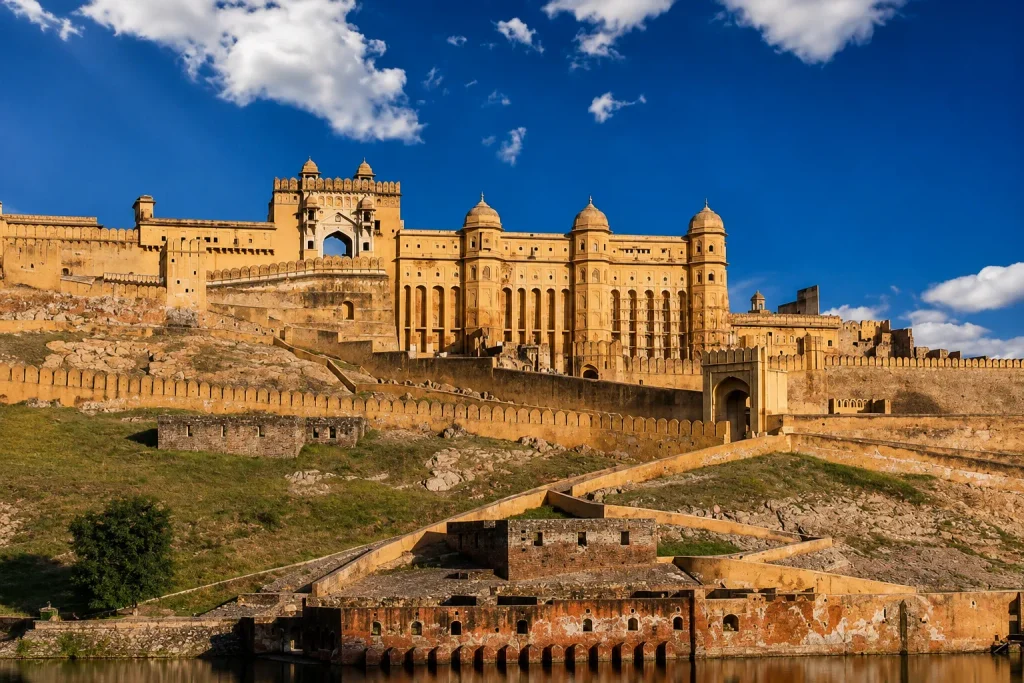
Amer Fort is one of Jaipur’s most important historic attractions. Located outside the central old city, the fort is known for its large courtyards, gateways, palace areas and views of the surrounding landscape.
Allow enough time to explore rather than treating it as a quick photo stop.
2. Hawa Mahal
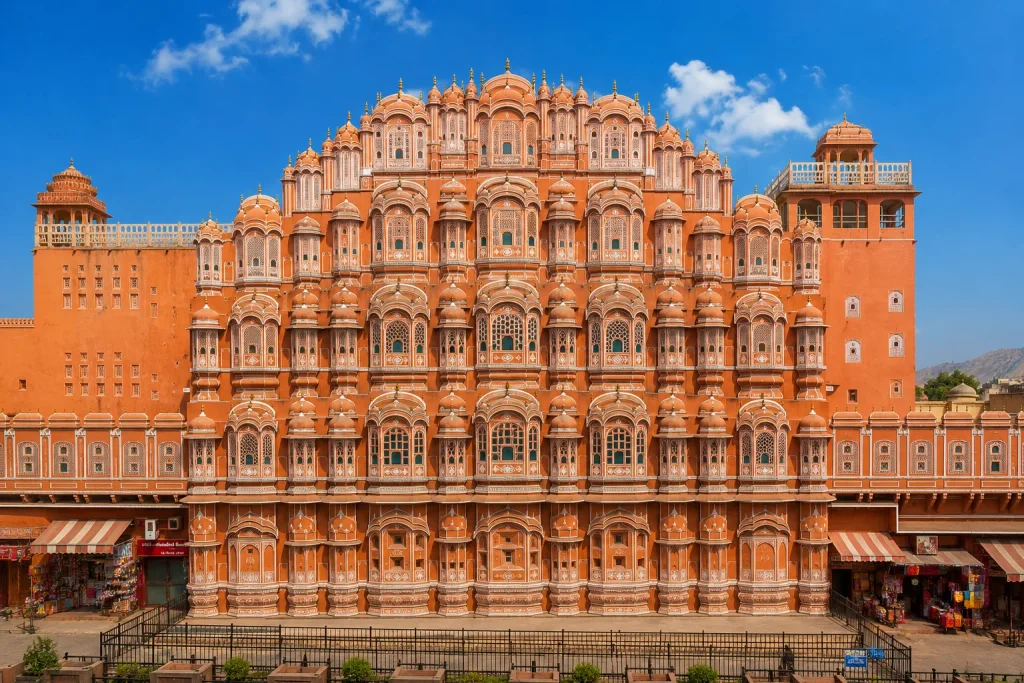
Hawa Mahal, or the Palace of Winds, is Jaipur’s most famous facade. Its distinctive honeycomb-like design and numerous windows make it one of the city’s most photographed landmarks.
The exterior can be appreciated from the surrounding streets, while a visit inside provides additional historical context.
3. City Palace
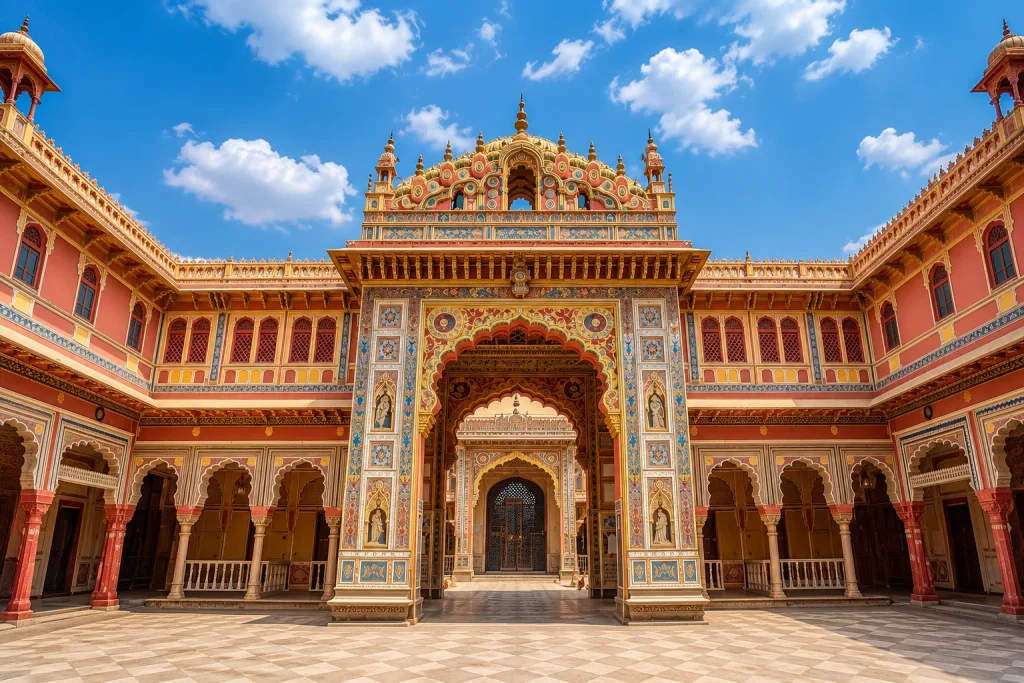
Located in the heart of the old city, City Palace is an important part of Jaipur’s royal heritage. The complex includes courtyards, museums and palace areas.
It can be conveniently combined with nearby attractions such as Jantar Mantar and Hawa Mahal.
4. Jantar Mantar
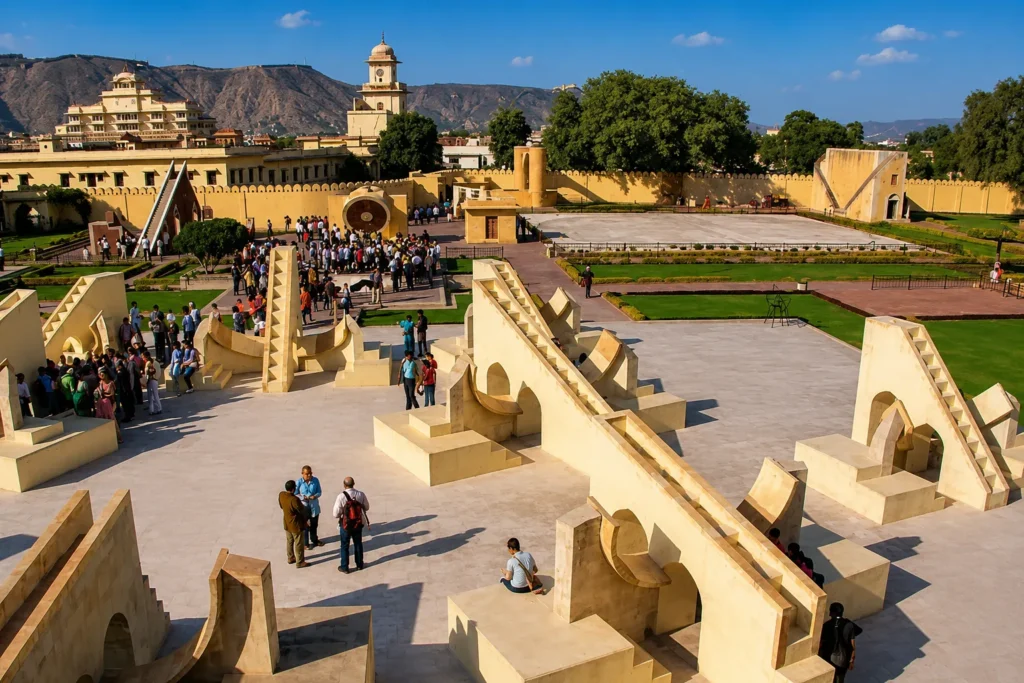
Jantar Mantar is a historic astronomical observatory featuring large architectural instruments designed for astronomical observation.
It is particularly interesting for travellers who want to understand Jaipur beyond its palaces and forts.
5. Jal Mahal
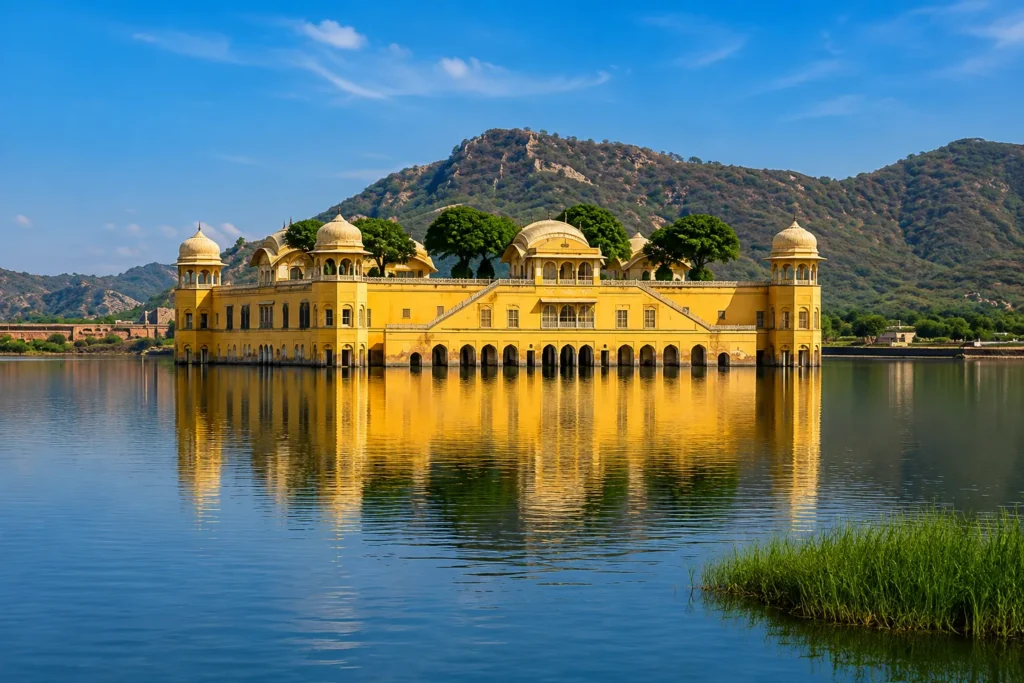
Jal Mahal is a striking palace located in the middle of Man Sagar Lake. It is often visited as a scenic stop while travelling between central Jaipur and Amer.
Visitors should check current access arrangements, as the experience and access conditions may change.
6. Nahargarh Fort
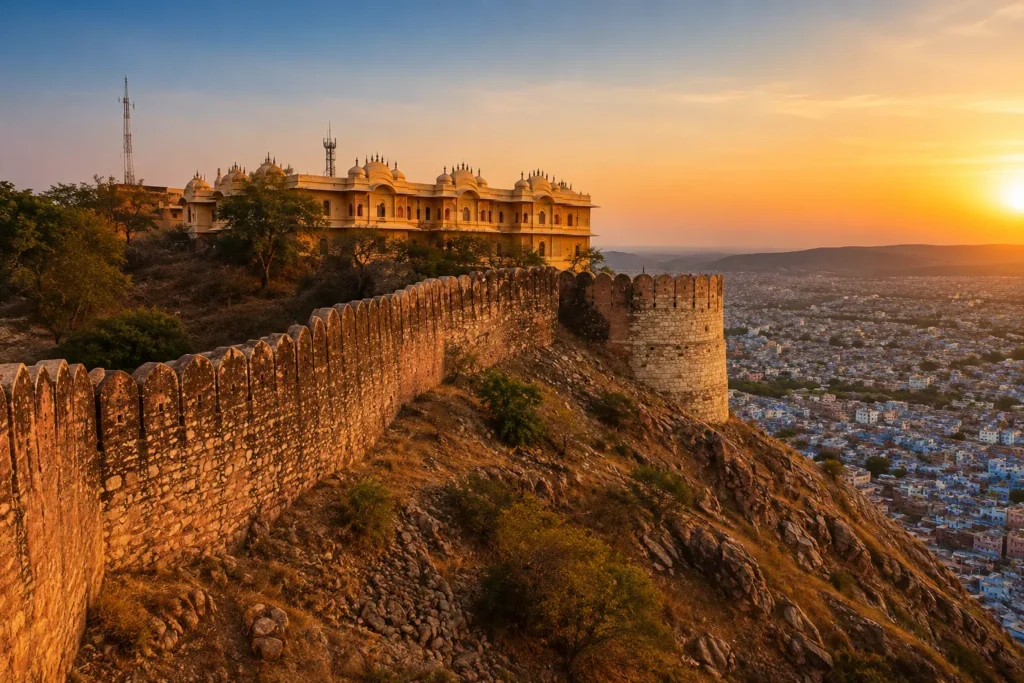
Nahargarh Fort sits on the hills overlooking Jaipur and offers impressive views of the city.
It is a popular choice for travellers who want to see Jaipur from above, particularly later in the day. Plan your return journey carefully and check current opening arrangements before visiting.
7. Albert Hall Museum
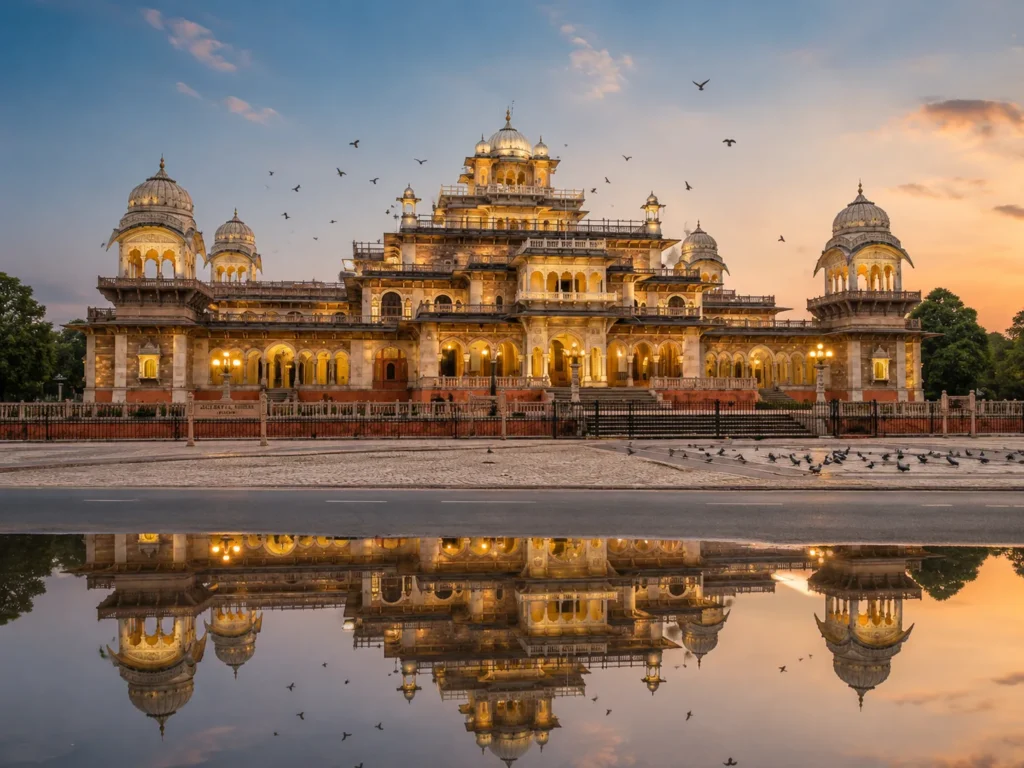
Albert Hall Museum is one of Jaipur’s most recognisable museum buildings and is located near Ram Niwas Garden.
It is a worthwhile addition for visitors interested in art, historical objects and architecture.
8. Birla Mandir
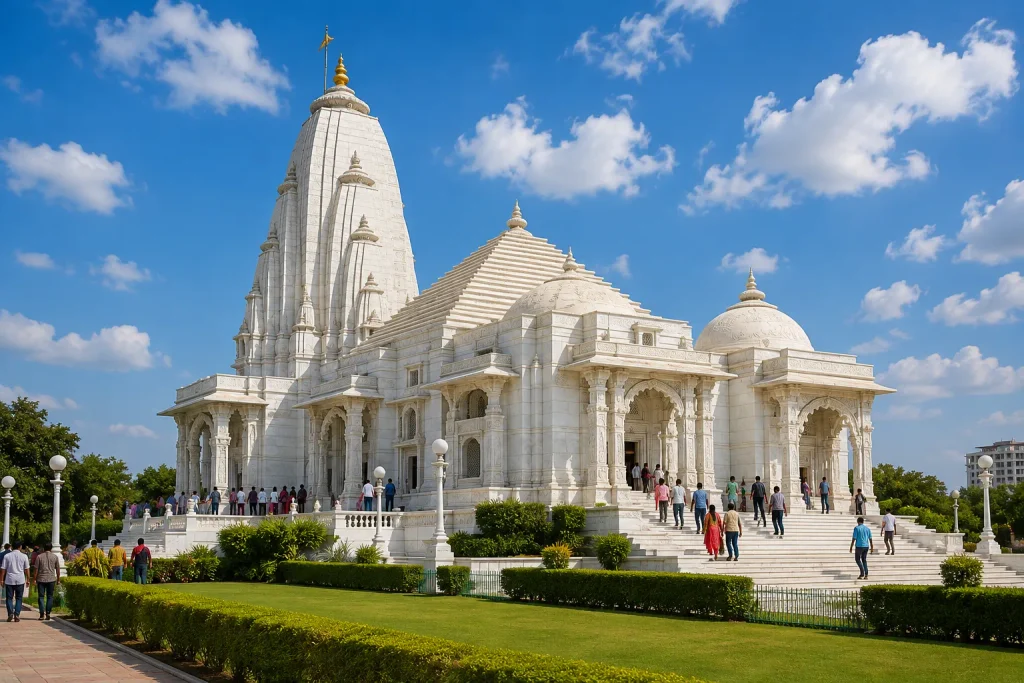
Birla Mandir is a modern Hindu temple known for its white marble architecture.
It offers a quieter change of pace from Jaipur’s forts, palaces and markets. Visitors should dress respectfully and follow local rules while visiting.
For detailed information on attractions, routes and how to plan your sightseeing days, explore our Best Places to Visit in Jaipur guide.
Suggested Jaipur Itinerary
A first visit to Jaipur can work well in two or three days. The ideal itinerary depends on your arrival time, interests and pace of travel.
Day 1: Explore the historic city centre
Start with Hawa Mahal and continue to nearby attractions such as City Palace and Jantar Mantar.
Spend the afternoon exploring the old city and its markets. This is also a good day to try local snacks and experience Jaipur’s shopping streets.
Day 2: Forts and scenic viewpoints
Visit Amer Fort early to avoid the busiest and hottest part of the day where possible.
On the way back, consider stopping around Jal Mahal for photographs and views. Later, visit Nahargarh Fort if time and current access arrangements allow.
Day 3: Museums, temples and local experiences
Use a third day for Albert Hall Museum, Birla Mandir, shopping, food experiences or attractions you did not have time to visit earlier.
A three-day trip also gives you more flexibility to travel at a relaxed pace.
For a detailed day-by-day plan with suggested routes and timing, see our Jaipur 3 Days Itinerary.
Jaipur Trip Budget
Jaipur can suit a wide range of travel budgets. Your total spending will depend primarily on accommodation, dining choices, local transport, attraction tickets and the amount of shopping you plan to do.
The following figures are broad planning estimates and should not be treated as fixed prices.
| Traveller Type | Approximate Daily Budget | Typical Travel Style |
| Budget | ₹2,000–₹4,500 | Budget accommodation, local food and economical transport |
| Mid-range | ₹5,000–₹12,000 | Comfortable hotels, restaurants and paid transport |
| Luxury | ₹15,000+ | Heritage hotels, premium dining and private experiences |
These estimates can vary significantly based on season, hotel category and whether you are travelling solo, as a couple or with family.
International travellers should also factor in currency exchange, mobile connectivity, travel insurance and international flight costs where relevant.
Attraction fees, hotel rates and transport prices can change, so check current prices before finalising your budget.
For a more detailed breakdown of accommodation, food, transport and sightseeing costs, see our [Jaipur Trip Budget] guide.
Where to Stay in Jaipur
Choosing the right area can make your Jaipur trip more convenient.
Old City and Bani Park
These areas can suit travellers who want convenient access to central attractions, markets and transport links. The atmosphere varies considerably depending on the exact hotel location.
Near Amer Road
This can be a practical area for travellers who want relatively convenient access to Amer Fort and other attractions on the northern side of the city.
C-Scheme and central modern areas
These areas can suit travellers looking for restaurants, modern hotels and easier access to parts of contemporary Jaipur.
Heritage properties and resort-style stays
Travellers seeking a more distinctive Rajasthan experience may prefer heritage hotels or larger properties. These can be particularly suitable for couples, families and travellers looking for a more relaxed stay.
Before booking, check the exact location of your hotel rather than relying only on the neighbourhood name. Jaipur is spread out, and travel times can affect your sightseeing plans.
Famous Food to Try in Jaipur
Food is an important part of Jaipur travel, and visitors should try a mix of traditional meals, street snacks and sweets.
Popular dishes and foods include:
- Dal baati churma – A well-known Rajasthani combination featuring baked wheat dumplings, lentils and a sweet accompaniment.
- Gatte ki sabzi – Gram flour dumplings served in a spiced curry.
- Pyaaz kachori – Rawat Mishtan Bhandar’s famous Pyaaz Kachori is a must-try for visitors looking to experience one of Jaipur’s most iconic street snacks.
- Mirchi vada – A spicy snack made with stuffed chilli.
- Ker sangri – A traditional Rajasthani preparation using regional ingredients.
- Laal maas – A spicy Rajasthani meat dish, commonly chosen by non-vegetarian travellers.
- Ghewar – A popular sweet associated with Rajasthan and seasonal celebrations.
- Lassi and traditional sweets – Good options for a break while exploring the city.
Choose busy and hygienic food outlets, particularly when trying street food. International visitors who are not accustomed to Indian food may prefer to introduce spicy dishes gradually.
Shopping in Jaipur
Jaipur is one of Rajasthan’s best cities for traditional shopping. The markets are especially appealing to travellers looking for handicrafts and locally associated products.
Popular purchases include:
- Jewellery and gemstones
- Block-printed and traditional textiles
- Blue pottery
- Mojari and other traditional footwear
- Handcrafted souvenirs
- Decorative items
- Rajasthani clothing and fabrics
Johari Bazaar, Bapu Bazaar and Tripolia Bazaar are among the best-known market areas.
Prices and quality can vary, so compare items before purchasing. Where bargaining is customary, do so politely and realistically. For expensive jewellery or gemstones, buy only from reputable sellers and request appropriate documentation.
A detailed [Jaipur Shopping Guide] can help travellers decide what to buy and where to look.
Getting Around Jaipur
Jaipur is a large and busy city, so choosing the right transport can save significant time.
Auto-rickshaws
Auto-rickshaws are useful for shorter journeys. Agree on the fare in advance where a meter is not being used, or use a trusted booking option when available.
App-based taxis
App-based taxi services can be convenient for longer journeys and full-day sightseeing, depending on current availability.
Private car and driver
For travellers visiting several attractions in one day, hiring a private car and driver can be practical. It is particularly useful for visiting Amer Fort and other attractions outside the central area.
Walking
The old city is enjoyable to explore on foot, especially around closely located attractions and markets. However, traffic, heat and uneven footpaths can make long-distance walking less comfortable.
Plan transport according to the geography of your itinerary rather than travelling back and forth across Jaipur several times a day.
Essential Jaipur Travel Tips
A few practical decisions can make your first Jaipur trip more enjoyable.
Start early for major attractions
Popular attractions can become busy later in the day. Starting early may also help you avoid the strongest heat.
Group nearby attractions together
City Palace, Jantar Mantar and Hawa Mahal can be planned together, while Amer Fort, Jal Mahal and other northern attractions can often fit into another sightseeing route.
Dress for the weather and respect local customs
Light, comfortable clothing works well for sightseeing, but modest clothing may be appropriate when visiting temples and religious sites.
Comfortable walking shoes are useful for forts and historic complexes.
Carry water and sun protection
Jaipur can be hot and sunny. Carry drinking water and use sunscreen, sunglasses and a hat when spending long periods outdoors.
Keep your itinerary realistic
Do not try to visit every major attraction in one day. Jaipur is more enjoyable when you allow time for travel, meals and rest.
Check current timings and ticket rules
Opening hours, entry fees, photography rules and access arrangements may change. Always check official or current information before visiting.
Be careful when shopping for expensive items
Compare prices and verify authenticity, particularly for jewellery, gemstones and high-value handicrafts.
Keep cash and digital payment options
Digital payments are widely used, but keeping some cash can still be useful for smaller purchases and certain local services.
Consider traffic when planning
Allow extra time during busy periods. A short distance on a map may take longer than expected due to traffic.
Frequently Asked Questions About Jaipur
1. How many days are enough for Jaipur?
Two days are enough to see several of Jaipur’s major attractions, but three days are better for travellers who want a more relaxed experience with time for shopping, museums and food.
2. What is the best time to visit Jaipur?
For comfortable outdoor sightseeing, many travellers prefer the cooler months, generally from October to March. The best time depends on your tolerance for heat, budget and preferred travel style.
3. Is Jaipur worth visiting for first-time travellers to India?
Yes. Jaipur offers major historic attractions, strong transport connections, varied accommodation and a broad introduction to Rajasthan’s architecture, food and culture.
4. Is Jaipur expensive to visit?
Jaipur can be explored on different budgets. Budget travellers can control costs through accommodation and local transport choices, while luxury travellers can spend significantly more on heritage hotels and private experiences.
5. How do I travel around Jaipur?
Auto-rickshaws, taxis, app-based transport, private drivers and walking are all useful depending on the distance and area. For a full sightseeing day, a taxi or private car may be more convenient.
6. What food should I try in Jaipur?
Popular choices include dal baati churma, pyaaz kachori, gatte ki sabzi, mirchi vada, laal maas and ghewar.
7. Is two days enough for Jaipur?
Yes, two days can cover major highlights such as Amer Fort, Hawa Mahal, City Palace, Jantar Mantar and selected viewpoints. A third day allows more time for museums, markets and local experiences.
8. What should I buy in Jaipur?
Popular souvenirs include textiles, jewellery, blue pottery, traditional footwear, handicrafts and decorative items. Compare quality and prices before purchasing.
Conclusion
Jaipur is a destination that rewards both careful planning and unhurried exploration. Its forts, palaces, observatory, temples and museums provide a strong introduction to Rajasthan’s history, while its markets and food offer a more immediate connection with the city’s everyday culture.
For a first visit, focus on the major landmarks, group attractions by location and leave enough time to explore beyond a strict checklist. Two or three days can provide an excellent introduction, while a longer stay allows you to experience Jaipur at a slower pace.
With a sensible itinerary, realistic budget and a little flexibility, Jaipur can be one of the most memorable stops on your journey through Rajasthan and India.
3 responses to “Jaipur Travel Guide: Best Places to Visit, Itinerary, Budget & Travel Tips”
[…] For broader planning information, you can also explore our Jaipur Travel Guide. […]
[…] For a broader overview of the city before planning your route, you can also explore our Jaipur Travel Guide. […]
[…] For broader planning information, you may also want to read our Complete Jaipur Travel Guide. […]