


A Bikaner itinerary can cover the city’s main heritage sights in one full day, but two days give you more time for its old-city lanes, temples and attractions outside the centre. The best plan depends on whether you want a quick introduction to Bikaner’s architecture or a more rounded visit that includes the National Research Centre on Camel and Karni Mata Temple at Deshnok.
How Many Days Should You Spend in Bikaner?
One day is enough for Bikaner’s main city sights. Two days are better if you want to visit Deshnok and the Camel Research Centre without rushing.
With one day, prioritise Junagarh Fort, the Rampuria Havelis and a local temple or market. Deshnok is around 30 km from Bikaner, so adding it means giving up some city sightseeing or keeping the day particularly busy.
For two days, explore the historic centre on the first day and use the second for Karni Mata Temple and the camel centre. Check opening hours before finalising the route, especially if your visit falls on a public holiday.
Also Read: Bikaner Travel Guide: Best Time, Places to Visit & Travel Tips
Bikaner 1-Day Itinerary
This one-day Bikaner itinerary focuses on the historic centre, with its fort, merchant havelis, religious architecture and local markets. It is the better option if you are passing through Rajasthan or have limited time in the city.
Morning: Visit Junagarh Fort
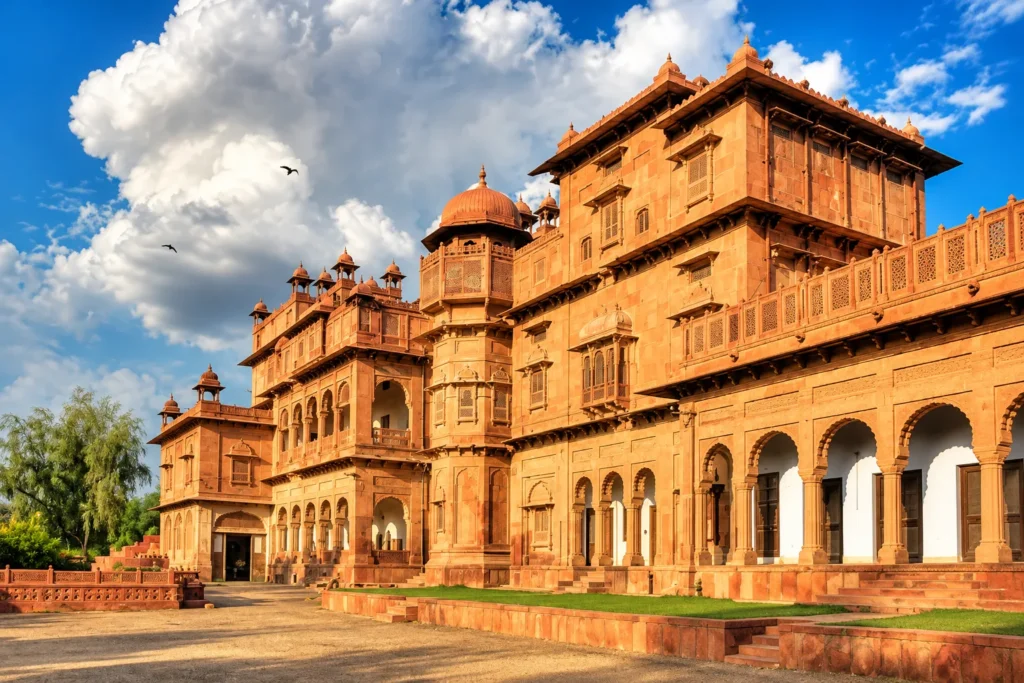
Start at Junagarh Fort, the city’s principal heritage attraction. Its palaces, courtyards and decorated interiors deserve more attention than a quick walk around the outer walls.
The fort’s published visiting hours are 10 am to 4:30 pm. Arrive near opening time and check the current schedule before travelling, as access arrangements can change. Allow enough time to explore the main complex rather than trying to fit several other attractions into the same morning.
Late Morning: Explore the Rampuria Havelis
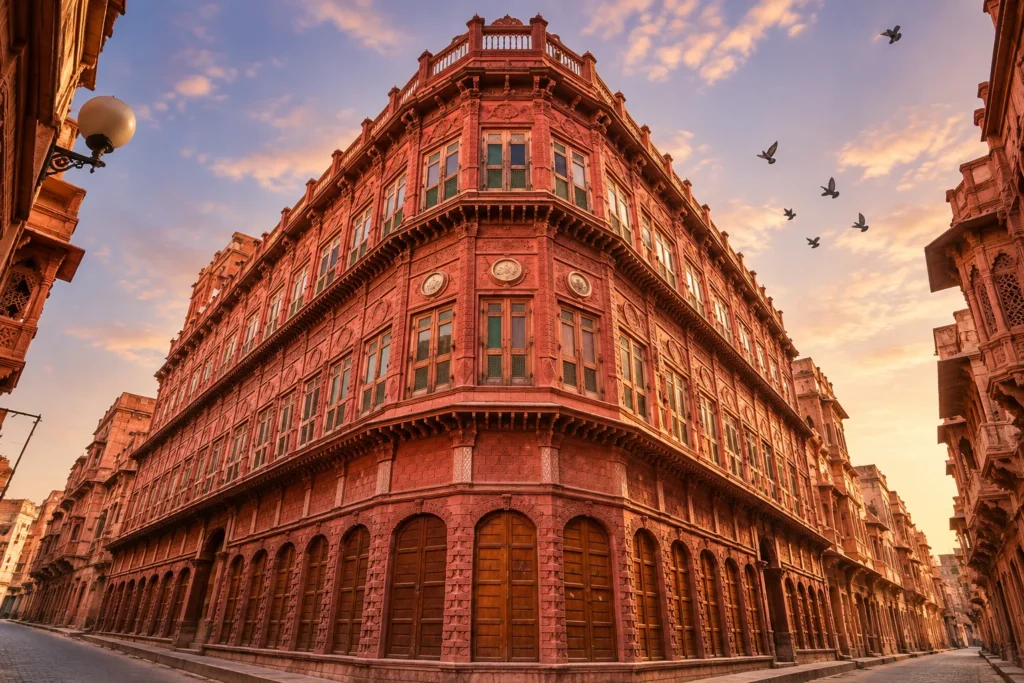
Continue to the Rampuria Havelis in the old city. These historic merchant mansions are known for their carved sandstone façades, ornate windows and balconies.
Explore the surrounding lanes on foot and be considerate of residents: many of the buildings stand in working neighbourhoods rather than a dedicated museum complex. This stop pairs naturally with the old city’s shops and streets.
Lunch: Try Bikaneri Specialities
Take a break for lunch and sample local Rajasthani food. Bikaneri bhujia and traditional savoury snacks are easy choices if you want something quick between sightseeing stops.
Use the midday break to avoid packing the hottest part of the day with too much outdoor walking.
Afternoon: Choose a Temple or More Old-City Exploring
If you want to see another heritage site, visit Bhandasar Jain Temple, known for its painted interiors and decorative details. As an active place of worship, it should be approached respectfully. Remove your footwear where required and ask before taking photographs inside.
Alternatively, spend this time exploring the old-city markets around Kote Gate and looking for local snacks, handicrafts and souvenirs. This is a more flexible option if you prefer a slower pace.
Evening: Browse the Markets and Have Dinner
Finish the day around the city’s shopping streets before dinner. Leave some room in your schedule for food and an unhurried evening rather than adding a distant attraction at the last minute.
If you want to visit Karni Mata Temple instead: swap out the afternoon temple and extended market visit for a trip to Deshnok. The temple is around 30 km from Bikaner and is generally open from 4 am to 10 pm. Allow for the return journey and confirm local conditions before setting out. The Camel Research Centre is best treated as an alternative or a second-day stop.
Bikaner 2-Day Itinerary
Two days allow you to see the main city sights and make a separate excursion outside the centre. Follow the first day’s heritage route, then use the second day for Deshnok and the Camel Research Centre.
Day 1: Junagarh Fort, Havelis and Temples
Morning: Junagarh Fort
Begin with Junagarh Fort at opening time. Explore the palace interiors and courtyards before moving on to the old city. Check the latest visitor information, as the published closing time is 4:30 pm.
Late Morning: Rampuria Havelis
Walk through the Rampuria Haveli area and nearby streets. This is a good time to appreciate the sandstone architecture without turning the visit into a long, stop-heavy sightseeing tour.
Afternoon: Lunch and Bhandasar Jain Temple
After lunch, visit Bhandasar Jain Temple if it is open and accessible. If temple access is limited, use the time for a relaxed meal or more exploration of the old city instead.
Evening: Kote Gate and Local Food
Finish the day around Kote Gate and the nearby shopping streets. Try Bikaneri snacks or buy regional food products to take home. Keep the evening flexible rather than adding another cross-city transfer.
Day 2: Karni Mata Temple and the Camel Research Centre
Morning: Travel to Karni Mata Temple, Deshnok
Set out for Deshnok in the morning. The temple is approximately 30 km from Bikaner and is known for the sacred rats that move freely around the complex.
The temple’s published hours are 4 am to 10 pm daily, although festival days and local arrangements may affect visitor conditions. Follow the temple’s instructions, remove footwear before entering and be mindful of worshippers.
Midday: Return to Bikaner for Lunch
Return to the city and have lunch before the afternoon visit. This avoids trying to combine the temple excursion with a rushed meal or an overly tight onward connection.
Afternoon: Visit the National Research Centre on Camel
Head to the National Research Centre on Camel, approximately 8 km from Bikaner’s city centre. It offers an opportunity to learn about camel breeds, research and their role in the region.
The Incredible India tourism listing publishes visitor hours of 2 pm to 6 pm and lists Sundays and public holidays as closure days. Verify the schedule before visiting, particularly if your second day falls on one of those days. Plan this stop around the centre’s afternoon opening rather than arriving in the morning.
Evening: Return to the City
After the camel centre, return to Bikaner for dinner or any shopping you did not complete on Day 1. If you have an onward train or bus, leave a sensible buffer for the journey to the station or terminal.
Can You Visit Karni Mata Temple and the Camel Research Centre in One Day?
Yes, if you start early, travel by car or taxi, and plan around the camel centre’s afternoon opening hours. Visit Karni Mata Temple first, return to Bikaner for lunch, and then head to the research centre after it opens.
However, the centre is listed as closed on Sundays and public holidays. If it is closed during your visit, use the second day for additional city sights or choose a different attraction after checking its current access arrangements.
For a single day in Bikaner, prioritise Junagarh Fort and the old city. Adding both Deshnok and the camel centre leaves less time for the city’s other sights and makes the schedule more dependent on transport and opening hours.
Also Read: Best Places to Visit in Bikaner: Forts, Havelis & Temples
Practical Information for Your Bikaner Itinerary
- Getting around: Use an auto-rickshaw or taxi for transfers between the fort, old city and outlying attractions. Explore the narrow old-city lanes on foot where practical.
- Opening hours: Junagarh Fort is listed as open from 10 am to 4:30 pm. The National Research Centre on Camel is listed as open from 2 pm to 6 pm, except Sundays and public holidays. Karni Mata Temple is listed as open from 4 am to 10 pm daily. Confirm timings before your visit.
- Temple etiquette: Remove footwear where required, dress respectfully and follow local rules about photography.
- Best trip length: Choose one day for the main city highlights or two days for a more relaxed visit that includes Deshnok and the camel centre.
For most travellers, two days is the most comfortable Bikaner itinerary if the aim is to see both the historic city and its distinctive attractions outside the centre. If your schedule is tight, one well-planned day can still cover the city’s essential highlights.