


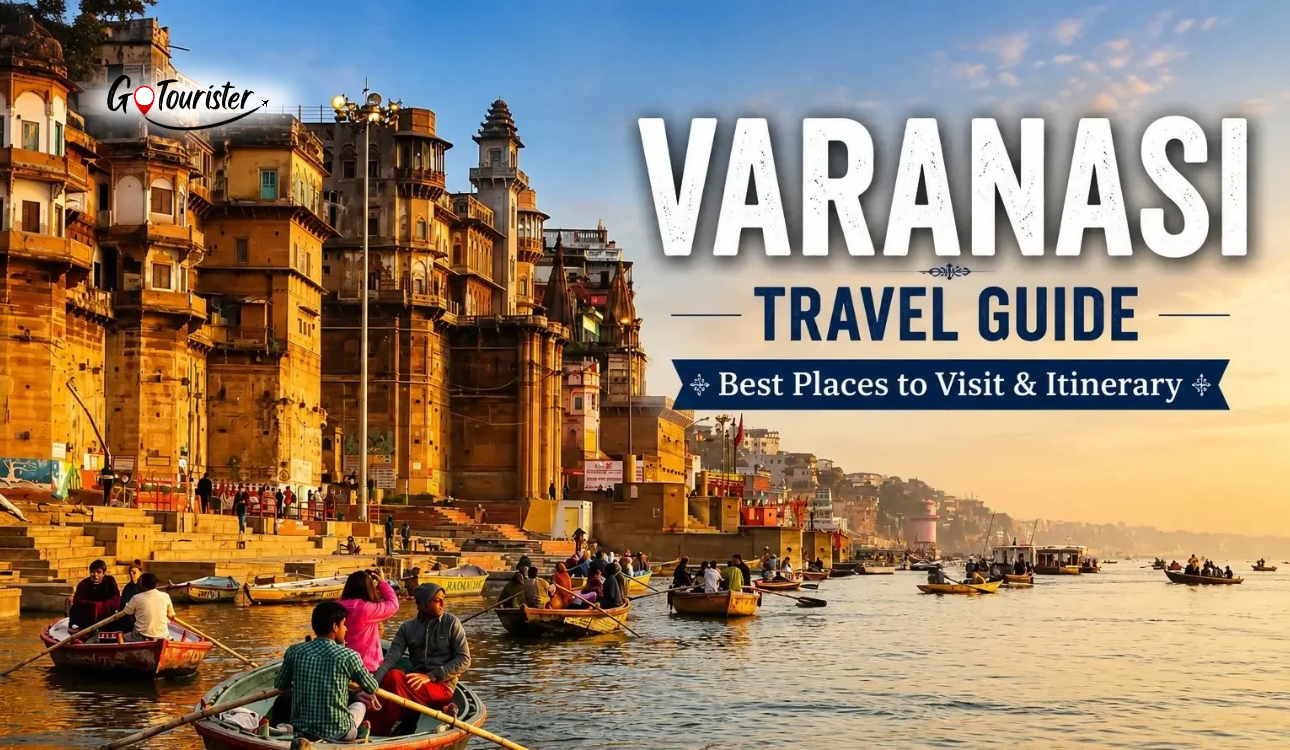
Varanasi, also known as Kashi and Banaras, is one of India’s most remarkable travel destinations. Situated along the banks of the River Ganga in Uttar Pradesh, this ancient city is known for its sacred temples, historic ghats, religious ceremonies, traditional markets and distinctive food culture. It attracts pilgrims, history enthusiasts, photographers and travellers who want to experience India’s cultural heritage.
Life in Varanasi begins early in the morning, when devotees gather along the river to offer prayers and visitors take boat rides across the Ganga. Throughout the day, the narrow streets fill with the sounds of temple bells, local conversations and street vendors. As evening approaches, the riverfront becomes especially lively during the famous Ganga Aarti.
However, Varanasi is much more than a religious destination. The city is also recognised for its Banarasi silk weaving, classical music, traditional crafts and educational heritage. A visit here offers an opportunity to discover different aspects of Indian culture in one place.
Whether you are planning a family holiday, a spiritual journey or a short cultural trip, this Varanasi travel guide will help you plan your visit, choose the right attractions and make the most of your time in the city.
Varanasi at a Glance
| Travel Information | Details |
|---|---|
| State | Uttar Pradesh |
| Popular Names | Kashi and Banaras |
| Famous For | Ganga Aarti, temples, ghats and Banarasi silk |
| Ideal Trip Duration | 2–3 days |
| Best Time to Visit | October to March |
| Nearest Airport | Lal Bahadur Shastri International Airport |
| Major Railway Station | Varanasi Junction |
| Main River | Ganga |
| Languages | Hindi, Bhojpuri and English |
| Travel Style | Religious, cultural, historical and culinary tourism |
What Makes Varanasi Worth Visiting?
Varanasi has a special place in Hindu religious traditions and is closely associated with Lord Shiva. The Kashi Vishwanath Temple is one of the twelve revered Jyotirlingas, making the city an important pilgrimage destination. The ghats along the Ganga serve as places for worship, bathing, ceremonies and other activities that have continued for generations.
The city’s cultural significance extends beyond religion. Its traditional silk industry has made Banarasi sarees famous throughout India, while its music, literature and educational institutions contribute to its historic identity.
Another reason to visit Varanasi is the variety of experiences available within a relatively compact area. You can attend an evening prayer ceremony, explore centuries-old temples, enjoy a traditional breakfast, shop in bustling markets and visit important Buddhist heritage sites during the same trip.
For first-time visitors, spending at least two full days in Varanasi is recommended. Three days provide more time to explore the city’s attractions without rushing from one place to another.
Best Places to Visit in Varanasi
Instead of exploring the city randomly, organise your sightseeing around its temples, riverfront, historic neighbourhoods and cultural attractions. The following places offer a good introduction to Varanasi.
1. Kashi Vishwanath Temple
The Kashi Vishwanath Temple is among the most important religious landmarks in Varanasi. Dedicated to Lord Shiva, it attracts devotees from different parts of India throughout the year.
The temple complex is especially significant for pilgrims visiting Kashi as part of a religious journey. The surrounding Kashi Vishwanath Corridor has improved access between the temple area and the Ganga riverfront, although crowds can still be substantial during festivals and peak pilgrimage periods.
Visitors should check the latest darshan timings, entry arrangements, security restrictions and rules regarding mobile phones and personal belongings before arriving. Special arrangements may apply during major religious occasions.
Best for: Religious sightseeing, spiritual experiences and cultural exploration.
2. Dashashwamedh Ghat
Dashashwamedh Ghat is one of the most famous riverfront locations in Varanasi. It is particularly known for the evening Ganga Aarti, a ceremonial offering to the sacred river accompanied by lamps, bells, chants and coordinated rituals.
The ceremony attracts large crowds, especially during weekends, holidays and religious festivals. Arriving early can help you find a suitable viewing position. Visitors who prefer a river view may also explore available boat options, subject to local arrangements and safety conditions.
During the daytime, the ghat offers opportunities to observe everyday religious activities and the lively atmosphere of the riverfront.
Best for: Ganga Aarti, photography and experiencing the spiritual atmosphere of Varanasi.
3. Assi Ghat
Located towards the southern end of the main ghat area, Assi Ghat is popular with pilgrims, students and tourists. Its atmosphere can feel more relaxed than the busiest central ghats, particularly during quieter hours.
Early mornings are a good time to visit for riverside walks, prayers, yoga activities and views of the sunrise. The surrounding neighbourhood also has cafés, guesthouses and places serving breakfast.
Assi Ghat is a convenient starting point for visitors who want to combine a morning boat ride with a leisurely walk along the river.
Best for: Sunrise views, morning activities, riverside walks and relaxed sightseeing.
4. Manikarnika Ghat
Manikarnika Ghat is one of the most significant cremation grounds in Hindu traditions. It represents an important aspect of Varanasi’s religious beliefs concerning death, liberation and the cycle of life.
Unlike a conventional tourist attraction, this is an active and deeply sacred place. Visitors should maintain a respectful distance, avoid intrusive photography and follow local customs. It is important to remember that families gather here during personal moments of grief.
Best for: Understanding the religious and cultural traditions of Varanasi through respectful observation.
5. Sarnath
Sarnath is an important Buddhist pilgrimage and archaeological destination located approximately 10 kilometres from Varanasi, depending on the starting point.
According to Buddhist tradition, Gautama Buddha delivered his first sermon here after attaining enlightenment. The site includes the Dhamek Stupa, archaeological remains, monasteries and a museum that preserves significant historical artefacts.
Sarnath offers a different atmosphere from the busy streets and ghats of central Varanasi. Its historical importance makes it a worthwhile addition to a two-day or three-day itinerary.
Best for: Buddhist heritage, history, architecture and peaceful sightseeing.
6. Ramnagar Fort
Ramnagar Fort stands near the eastern bank of the Ganga, opposite parts of the main Varanasi riverfront. Associated with the former royal family of Banaras, the fort provides an insight into the region’s royal history.
Its architecture, courtyard and museum collections are among the main attractions. Opening arrangements and access to individual sections can vary, so visitors should verify current details before travelling.
The fort can be combined with other sightseeing stops if you have sufficient time and suitable transport.
Best for: History enthusiasts, heritage architecture and cultural exploration.
7. Tulsi Manas Temple
Tulsi Manas Temple is associated with the poet-saint Goswami Tulsidas, traditionally linked to the composition of the Ramcharitmanas.
The temple’s interior and surrounding areas feature inscriptions and passages connected with the text. It is a useful stop for travellers interested in Hindu literature, devotional traditions and temple architecture.
The temple can be visited alongside the Durga Temple because both are situated in the same general part of the city.
8. Durga Temple
Dedicated to Goddess Durga, this temple is another well-known religious site in Varanasi. Its distinctive red exterior makes it recognisable, and it attracts devotees throughout the year.
The surrounding area is particularly lively during Navratri and other important religious occasions. Visitors should be mindful of crowds and follow the temple’s rules.
9. Bharat Mata Temple
Bharat Mata Temple offers a different experience from conventional Hindu temples. Instead of focusing on a traditional deity idol, it is known for a large relief map of India carved in marble.
The temple reflects an idea of national unity and provides an interesting cultural stop for visitors exploring the city’s religious and historical attractions.
10. Banaras Hindu University
Banaras Hindu University, commonly known as BHU, is one of India’s major educational institutions. Its extensive campus, academic heritage and cultural significance make it worth considering during a Varanasi visit.
The New Vishwanath Temple, situated within the university campus, is a prominent attraction. Visitors should check the current campus access rules and temple timings before planning their visit.
Experiences You Should Not Miss in Varanasi
Sightseeing is only one part of the Varanasi experience. The city’s atmosphere, food and daily routines are equally important.
Take a sunrise boat ride on the Ganga. An early morning ride offers a river-level view of the ghats, temples, historic buildings and morning rituals. Before boarding, confirm the price, duration, route and safety arrangements with the boat operator.
Attend the evening Ganga Aarti. Watching the ceremony at Dashashwamedh Ghat is one of the most memorable activities for many visitors. The exact schedule changes with the season and local arrangements, so check the timing on the day of your visit.
Explore the old city’s narrow lanes. The traditional neighbourhoods around the major temples are filled with small shops, food stalls, religious items and historic buildings. Wear comfortable shoes and allow extra time because the lanes can be crowded.
Walk along the riverfront. Exploring the ghats on foot provides a closer look at the city’s daily life. Choose a comfortable stretch rather than attempting the entire riverfront in hot weather.
Discover Banarasi silk weaving and textiles. Varanasi is famous for its silk sarees, brocade fabrics and traditional weaving. Shopping for these products can be a valuable cultural experience, especially when you learn about the craftsmanship involved.
Try a local food walk. From kachori sabzi in the morning to tamatar chaat and traditional sweets later in the day, the city’s food culture deserves time in your itinerary.
Famous Food to Try in Varanasi
Varanasi is an excellent destination for travellers who enjoy regional Indian food. Its culinary culture combines traditional snacks, sweets, seasonal specialities and familiar North Indian dishes.
| Food | What to Expect |
|---|---|
| Kachori Sabzi | A popular breakfast of fried kachori served with spiced potato curry |
| Tamatar Chaat | A tangy, spicy snack prepared with tomatoes and regional seasonings |
| Baati Chokha | A traditional combination of baked wheat balls and mashed vegetables |
| Malaiyyo | A light, airy milk-based seasonal sweet, particularly associated with winter |
| Banarasi Paan | A traditional betel-leaf preparation associated with the city’s food culture |
| Jalebi | A crisp, syrup-soaked sweet |
| Lassi | A refreshing yoghurt-based drink |
| Chena Dahi Vada | A regional snack made with soft cheese-based dumplings and yoghurt |
| Rabri | A rich dessert prepared by thickening milk |
| Thandai | A traditional milk-based drink, with ingredients and preparation varying by season and occasion |
Some well-known places for exploring local food include Kashi Chat Bhandar, Deena Chaat Bhandar, Baati Chokha Restaurant and Brown Bread Bakery. Aadha-Aadha Café is another option for visitors seeking a café-style meal.
Opening hours, menus and availability can change. Choose busy establishments with good food-handling practices, drink safe water and be cautious with uncooked food if you have a sensitive stomach.
Where to Stay in Varanasi
Choosing the right neighbourhood can make your trip considerably easier. The best location depends on whether you prioritise temple access, river views, peaceful surroundings or convenient transport.
Near the ghats: Staying around Assi Ghat or other accessible riverfront areas can make early morning walks and boat rides easier. Some properties are located in narrow lanes where cars cannot reach the entrance.
Near Godowlia and the central old city: This area is convenient for exploring the main temple and market districts. However, traffic, crowds and noise can be significant, especially during peak pilgrimage periods.
Near the railway station or Cantt area: These locations can be practical for travellers arriving by train, families carrying luggage and visitors who prefer straightforward road access.
Away from the busiest central areas: Hotels in quieter neighbourhoods may offer more space and easier vehicle access, although you will need transport to reach the main attractions.
Accommodation ranges from budget guesthouses to luxury hotels. Properties such as Hotel Alka, Hotel Ganges View, Hotel Clarks Varanasi, Taj Ganges and BrijRama Palace are among the options travellers may consider, depending on their preferences and budget.
Indicative room rates can vary significantly with season, demand, room category and booking date. Budget properties may start at a few thousand rupees per night, while premium heritage hotels can cost considerably more. Compare the final price, cancellation policy, accessibility and guest reviews before booking.
Best Time to Visit Varanasi
The ideal time to visit Varanasi is generally October to March, when the weather is more comfortable for sightseeing and walking along the riverfront.
October to March: The most comfortable season
Winter and the cooler months are well suited to temple visits, boat rides and outdoor exploration. December and January mornings can be cold and foggy, so carry warm clothing if you plan to take a sunrise boat ride.
The period can also coincide with major festivals and cultural events. Dev Deepawali is especially popular, when the ghats are illuminated with thousands of lamps. Festival dates follow the Hindu lunar calendar, and the city can become exceptionally crowded during these occasions. Book accommodation and transport well in advance.
April to June: Hot summer weather
Summer temperatures can become extremely high, making extended daytime sightseeing uncomfortable. If you travel during this period, visit outdoor attractions early in the morning or later in the evening. Carry water, wear light clothing and take breaks indoors.
July to September: Monsoon season
Monsoon brings rainfall and changing river conditions. High water levels can restrict boat rides and make some sections of the ghats difficult to access. Check local conditions before arranging river activities and take extra care on wet steps.
How to Reach Varanasi
Varanasi is connected to major Indian cities by air, rail and road, making it accessible for both short trips and longer North India itineraries.
By Air
Lal Bahadur Shastri International Airport serves Varanasi and is approximately 25 kilometres from the city centre, depending on the destination within the city.
Flights connect Varanasi with major cities such as Delhi, Mumbai, Bengaluru, Hyderabad and Kolkata, subject to current airline schedules. From the airport, travellers can use taxis or other available transport to reach their hotel.
Allow extra travel time during busy traffic periods, particularly if your accommodation is near the old city.
By Train
Rail travel is a convenient option for visitors arriving from different parts of India. Varanasi Junction, Banaras railway station and Pt. Deen Dayal Upadhyaya Junction are important stations serving the wider area.
Connections are available from cities including Delhi, Mumbai, Lucknow, Kolkata, Patna and Agra, depending on the train and schedule.
Check your arrival station carefully before booking accommodation because these stations are in different locations. A hotel near one station may not be convenient if your train arrives at another.
By Road
Varanasi is connected by highways to several cities in Uttar Pradesh and neighbouring states. Buses, taxis and private vehicles can be used for intercity travel.
Approximate road distances from Varanasi include:
| Destination | Approximate Distance |
|---|---|
| Prayagraj | 120 km |
| Ayodhya | 220 km |
| Patna | 250 km |
| Bodh Gaya | 260 km |
| Lucknow | 320 km |
| Agra | 600 km |
These distances are indicative and can vary by route. Actual journey times depend on traffic, road conditions, stops and the chosen transport service.
Getting Around Varanasi
Travelling around Varanasi requires some planning because its main attractions are spread across the riverfront, temple districts, university area and outskirts.
Auto-rickshaws and e-rickshaws are useful for shorter journeys. Cycle-rickshaws can help with certain local trips, while taxis and app-based cabs are practical for airport transfers, railway stations and destinations such as Sarnath.
Walking is often the best way to explore the narrow lanes around the ghats and temples. However, many streets are crowded, and vehicles cannot enter some areas. Ask your hotel about the nearest accessible drop-off point if you are carrying luggage.
For boat rides, confirm the agreed fare, route and duration before departure. During the monsoon or periods of high water, follow local safety instructions and avoid unauthorised or unsafe boating arrangements.
Shopping in Varanasi
Shopping in Varanasi offers a chance to discover the city’s traditional crafts and local markets.
Godowlia Market is a useful area for general shopping and everyday goods. Vishwanath Gali is popular for religious items, souvenirs and small shops near the temple district. The Chowk area has a long-standing connection with traditional markets and textiles, while Lahurabir is another area to explore for local shopping.
Banarasi silk sarees are among the city’s best-known products. Other items include brocade fabrics, handicrafts, brass objects, wooden toys and religious souvenirs.
When buying silk products, ask about the fabric composition, weaving technique, authenticity and return policy. Prices vary considerably depending on the materials, craftsmanship and design. Compare products at different shops instead of assuming that every item marketed as Banarasi silk is made from pure silk.
A Practical 3-Day Varanasi Itinerary
A three-day itinerary gives you enough time to experience the major ghats, visit important temples, explore Sarnath and enjoy local food without making every day too hectic.
Day 1: The Ganga, Historic Ghats and Evening Aarti
Begin your first morning with a sunrise boat ride on the Ganga. Observe the riverfront as the city wakes up, then spend some time exploring Assi Ghat and its surrounding neighbourhood.
After breakfast, visit Kashi Vishwanath Temple and explore the nearby lanes and market area. Keep some flexibility in your schedule because temple queues and security checks may take time.
In the late afternoon, head towards Dashashwamedh Ghat to experience the evening Ganga Aarti. Arrive early to find a suitable viewing position, particularly during weekends and busy travel periods.
Finish the day with a relaxed dinner featuring local dishes.
Day 2: Temples, Culture and Local Markets
Start the second day with a visit to Tulsi Manas Temple and Durga Temple. Continue towards Banaras Hindu University and visit the New Vishwanath Temple if access and timings permit.
In the afternoon, explore local markets and look for traditional textiles, Banarasi silk and handicrafts. You can also spend time discovering the old city’s lanes or visiting other attractions that you could not cover on the first day.
Keep the evening flexible for a food walk, a riverside stroll or a cultural programme if one is available during your visit.
Day 3: Sarnath and Ramnagar Fort
Dedicate the morning to Sarnath. Explore the Dhamek Stupa, archaeological remains, Buddhist temples and museum, allowing additional time if you are particularly interested in history.
After returning towards Varanasi, consider visiting Ramnagar Fort, subject to opening hours and transport arrangements.
Use the remaining time for shopping, trying local snacks or returning to a favourite ghat. If you have an evening train or flight, keep sufficient time for the journey and traffic.
This itinerary is a suggested plan rather than a fixed timetable. You can rearrange the attractions according to temple timings, weather, crowd levels and your departure schedule.
Nearby Destinations to Include in Your Trip
If you have additional time, Varanasi can serve as a starting point for exploring other important destinations in northern and eastern India.
Prayagraj: Located approximately 120 kilometres away by road, Prayagraj is known for Triveni Sangam, the meeting point of three rivers according to Hindu tradition, and its religious and historical heritage.
Ayodhya: Around 220 kilometres away by road, Ayodhya is an important religious destination associated with Lord Rama. It can be considered as part of a longer pilgrimage itinerary.
Bodh Gaya: Situated approximately 260 kilometres away by road, Bodh Gaya is one of the most important Buddhist pilgrimage destinations and is associated with Buddha’s enlightenment.
Patna: Located approximately 250 kilometres away by road, Patna offers historical attractions and access to the wider heritage of Bihar.
Lucknow: Approximately 320 kilometres away by road, Lucknow is known for its Nawabi heritage, historic architecture and distinctive cuisine.
Travel times and distances vary by route and traffic. For a short Varanasi holiday, it is usually better to focus on the city and Sarnath rather than trying to cover too many distant destinations.
How Much Does a Varanasi Trip Cost?
Your overall travel budget depends on your hotel, transport, food choices, shopping and the length of your stay. The following figures are broad planning estimates per person per day and exclude major intercity travel, substantial shopping and some special festival expenses.
| Travel Style | Estimated Daily Budget |
|---|---|
| Budget Traveller | ₹1,500–₹3,000 |
| Comfortable Budget | ₹3,000–₹5,000 |
| Mid-Range Traveller | ₹5,000–₹8,000 |
| Premium Traveller | ₹8,000–₹15,000+ |
These figures are indicative rather than guaranteed current prices. Travelling alone may cost more per person because you cannot share accommodation expenses, while families and groups may save on rooms and local transport.
To manage your expenses, book accommodation early during popular festivals, compare transport options, choose locally owned eateries with good hygiene practices and plan attractions geographically to avoid unnecessary journeys.
Essential Travel Tips for Varanasi
A little preparation can make your Varanasi trip much more comfortable.
- Plan temple visits carefully: Check current opening times, entry rules and special darshan arrangements before visiting major temples.
- Dress respectfully: Choose clothing suitable for religious places and follow instructions at temples and other sacred sites.
- Carry some cash: Small shops, local vendors and certain transport providers may prefer cash, although digital payments are widely used in many places.
- Wear comfortable footwear: You will probably walk through narrow lanes, crowded markets and ghat steps.
- Protect your belongings: Keep your phone, wallet and valuables secure in crowded areas.
- Respect local customs: Avoid intrusive photography, particularly during religious ceremonies and at cremation ghats.
- Confirm boat fares in advance: Agree on the price, duration and route before starting your ride.
- Prepare for crowds: Allow extra time during weekends, holidays and festivals.
- Stay hydrated: Summer heat can be intense, while winter mornings may be cold and foggy.
- Keep transport time flexible: Some hotel entrances and attractions are inaccessible to cars, so you may need to walk part of the way.
- Check river conditions: Follow local safety instructions, especially during the monsoon and periods of high water.
FAQs
What is Varanasi famous for?
Varanasi is famous for Kashi Vishwanath Temple, the sacred River Ganga, its historic ghats, evening Ganga Aarti, Banarasi silk sarees and traditional food. It is also an important destination for Hindu pilgrimage and Buddhist heritage tourism through nearby Sarnath.
How many days are enough to explore Varanasi?
Two days are enough to cover several major ghats, Kashi Vishwanath Temple and the evening Ganga Aarti. A three-day trip is more comfortable because it also allows time for Sarnath, local markets, traditional food and additional temples.
What is the best month to visit Varanasi?
October to March is generally the most comfortable period for sightseeing. November is particularly popular for festival experiences, including Dev Deepawali in years when it falls during that month. Festival dates, crowds and weather conditions should be checked before booking.
Is a sunrise boat ride in Varanasi worth it?
Yes. A sunrise boat ride provides a distinctive view of the ghats, riverfront architecture and morning rituals. Choose a responsible operator, confirm the price and duration, and follow the boatman’s safety instructions.
Is Varanasi suitable for a family trip?
Yes. Families can explore the temples, ghats, markets, food culture and nearby Sarnath. However, crowds, narrow lanes and uneven steps may require additional planning for young children, older travellers and people with limited mobility.
What food should visitors try in Varanasi?
Popular choices include kachori sabzi, tamatar chaat, baati chokha, lassi, jalebi, Banarasi paan and the seasonal sweet malaiyyo. Choose food stalls and restaurants with good hygiene practices, especially during hot weather.
Can Varanasi and Sarnath be visited on the same trip?
Absolutely. Sarnath is approximately 10 kilometres from Varanasi, depending on the starting point, and can generally be covered in half a day. It is a convenient addition to a two-day or three-day itinerary.
Final Thoughts
Varanasi is a destination where spirituality, history, food and everyday life come together along the banks of the Ganga. From the peaceful atmosphere of an early morning boat ride to the energy of the evening Ganga Aarti, the city offers experiences that are difficult to find elsewhere.
The best way to explore Varanasi is to balance its famous attractions with time for local markets, traditional food, riverside walks and quieter cultural experiences. Visit the major temples, explore the historic ghats, make room for Sarnath and avoid packing too many activities into a single day.
With thoughtful planning, comfortable accommodation and respect for local traditions, a two-day or three-day visit can provide a meaningful introduction to one of India’s most distinctive cities.