


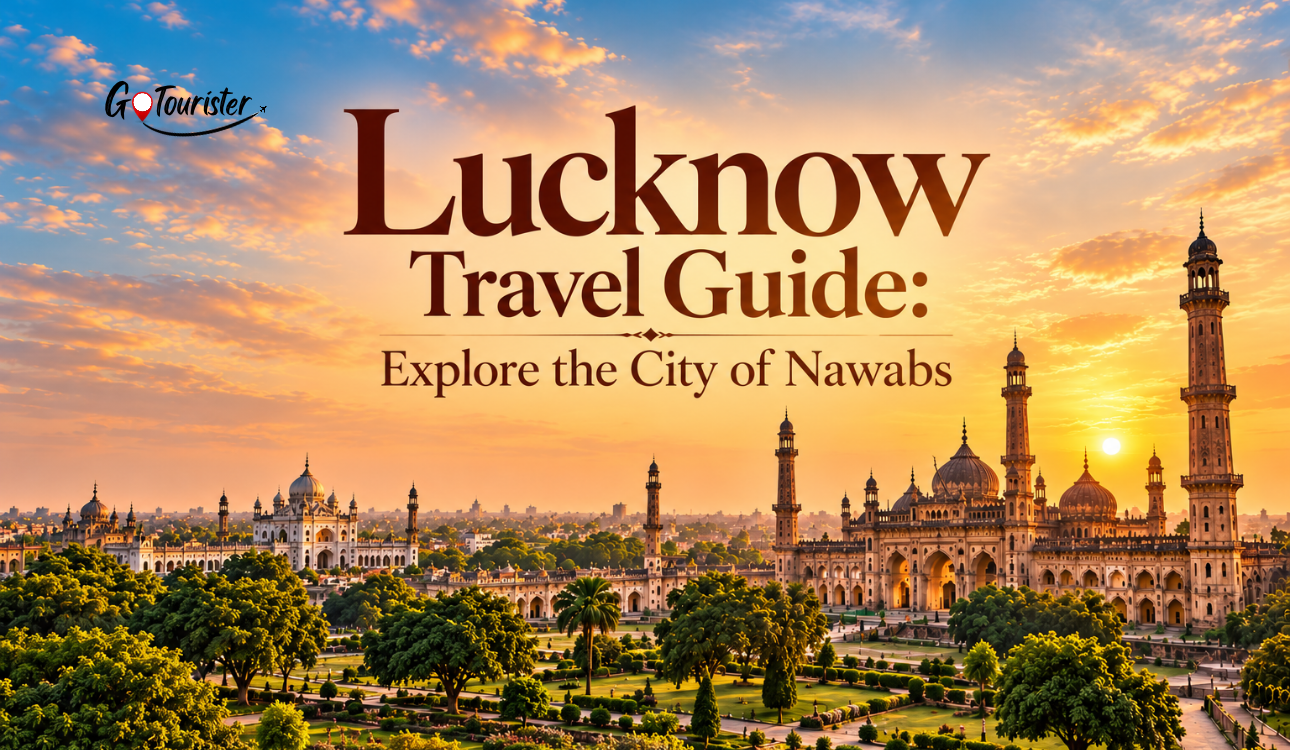
Lucknow is one of India’s most fascinating destinations for travellers who enjoy history, architecture, traditional food and local culture. Known as the City of Nawabs, the capital of Uttar Pradesh offers a unique combination of royal monuments, bustling markets, beautiful gardens, modern shopping centers and centuries-old culinary traditions.
From the grand arches of Rumi Darwaza to the mysterious passages of Bara Imambara, Lucknow has plenty to explore. The city is equally famous for its Awadhi cuisine, including melt-in-the-mouth kebabs, aromatic biryani, traditional sweets and delicious street food. Shopping enthusiasts can discover the city’s celebrated Chikankari embroidery, handcrafted garments and traditional accessories.
Whether you are planning a weekend getaway, a family holiday, a historical tour or a food-focused trip, Lucknow offers something for different types of travellers. This Lucknow travel guide covers the best places to visit, things to do, famous food, shopping destinations, transportation, accommodation and a practical itinerary to help you plan your journey.
Why Should You Visit Lucknow?
Lucknow is more than a historical destination. It is a city where traditional Awadhi culture meets modern urban life. Its architecture reflects the influence of the Nawabs of Awadh, while its food and embroidery traditions continue to attract visitors from across India and abroad.
One of the city’s biggest attractions is its variety. You can explore historic monuments in the morning, enjoy authentic kebabs for lunch, shop for Chikankari clothing in the afternoon and spend your evening around Hazratganj or the Gomti Riverfront.
Lucknow is also a convenient destination for short holidays because many major attractions can be covered over two or three days. The city has an airport, railway stations, an extensive road network and a metro system that makes travelling between several important areas easier.
Best Places to Visit in Lucknow
1. Bara Imambara
Bara Imambara is one of the most famous historical attractions in Lucknow. Built by Nawab Asaf-ud-Daula in the eighteenth century, this architectural masterpiece is known for its enormous vaulted hall, elegant design and the famous Bhul Bhulaiya maze.
The complex also includes the Asafi Mosque and Shahi Baoli. Visitors interested in history and architecture can learn about the engineering techniques used during the Nawabi period while exploring the monument.
Allow enough time to explore the complex, and consider using an authorised guide to understand the layout and history of the maze. Check the latest opening hours and ticket arrangements before visiting, particularly if your trip falls on a Friday.
2. Rumi Darwaza
Rumi Darwaza is one of Lucknow’s most recognisable landmarks. This impressive historic gateway stands close to Bara Imambara and Chota Imambara, making it easy to include in the same sightseeing trip.
The structure is admired for its ornate details, monumental arch and distinctive Awadhi architectural style. It is also a popular photography location, particularly for travellers interested in heritage architecture.
Because Rumi Darwaza stands beside a busy road, take care while taking photographs and avoid stepping into traffic to get a better view.
3. Chota Imambara
Chota Imambara, also known as Husainabad Imambara, is another important monument in Lucknow. Commissioned by Muhammad Ali Shah in the nineteenth century, it is known for its decorative interiors, elegant domes, chandeliers and landscaped surroundings.
The monument provides a different experience from Bara Imambara because of its ornamental details and ceremonial atmosphere. Its location in the Husainabad heritage area makes it convenient to combine with other nearby historical attractions.
Visitors should respect religious practices and follow any restrictions announced by the site authorities.
4. British Residency
The British Residency is an important historical site associated with the Indian Rebellion of 1857. The surviving ruins, old buildings and landscaped grounds offer a glimpse into a significant period of Indian history.
History enthusiasts can explore the remains of the complex and understand its role during the uprising. The atmosphere is quieter than that of the city’s busiest monuments, making it a worthwhile stop for travellers who want to learn more about Lucknow’s past.
5. Ambedkar Memorial Park
Ambedkar Memorial Park is a large public memorial known for its expansive stone architecture, grand pathways and open spaces. The complex provides a striking contrast to Lucknow’s older Nawabi monuments.
It is a popular place for photography, leisurely walks and appreciating large-scale modern architecture. The open surroundings can become hot during summer, so early morning or late afternoon is generally more comfortable.
Check local access rules and any applicable entry arrangements before your visit.
6. Hazratganj
Hazratganj is one of Lucknow’s best-known shopping and lifestyle districts. It combines established shops, restaurants, cafés, commercial buildings and a lively urban atmosphere.
Travellers can browse clothing stores, purchase gifts, enjoy snacks or simply walk around and experience a different side of the city. Hazratganj is also a convenient area for visitors who want to combine shopping with dining.
7. Janeshwar Mishra Park
Janeshwar Mishra Park is a major green space in Lucknow and a good option for travellers who want a break from monuments and crowded markets. Its walking paths, lawns and open areas make it suitable for families and visitors who enjoy outdoor activities.
Visit during the cooler hours of the day for a more comfortable experience. Before travelling, confirm current access timings and any applicable park rules.
8. Gomti Riverfront
The Gomti Riverfront offers open views, landscaped areas and a pleasant setting for an evening walk. It is particularly appealing to travellers who want to relax after a full day of sightseeing.
The riverfront is a useful addition to an itinerary because it provides a change of pace from historical attractions. Visit around sunset or in the early evening, while following local safety guidance and designated access rules.
9. La Martiniere College
La Martiniere College is known for its distinctive architecture and historical significance. The campus is one of Lucknow’s most recognisable architectural landmarks, particularly because of its grand building and European-influenced design.
As it operates as an educational institution, access to the campus may be restricted. Visitors should admire the architecture from permitted areas and obtain permission before attempting to enter.
10. Chowk and the Old City
Chowk is one of the most interesting areas for travellers who want to experience traditional Lucknow. Its narrow streets, old establishments, local markets, food stalls and craft shops reflect the city’s long-standing commercial and cultural traditions.
This is also an excellent area to explore local food and look for traditional products. Wear comfortable footwear, keep your belongings secure and allow extra time because the streets can become crowded, especially during busy shopping periods.
Famous Food to Try in Lucknow
Food is an essential part of the Lucknow travel experience. The city’s culinary traditions are closely associated with Awadhi cooking, which is known for its aromatic spices, slow-cooked preparations and carefully developed flavours.
Tunday Kababi
Tunday Kababi is among Lucknow’s most recognised food names. The city’s traditional galouti kebabs are especially popular for their soft texture and rich seasoning. They are often served with roomali roti or other local breads.
Lucknowi Biryani
Lucknowi biryani is known for its fragrant rice, carefully balanced spices and Awadhi cooking style. Travellers can find chicken, mutton and vegetarian versions at different restaurants across the city.
Awadhi Kebabs
Beyond galouti kebabs, visitors can try seekh kebabs and other regional preparations. Food lovers may enjoy comparing recipes at traditional eateries and newer restaurants.
Basket Chaat
Basket chaat is a popular snack that combines a crisp edible basket with potatoes, chutneys, yoghurt and other toppings. It is a good choice for visitors who want to sample Lucknow’s street-food culture.
Kulfi, Malai Makhan and Traditional Sweets
Lucknow is also known for its desserts. Kulfi and traditional milk-based sweets are popular options, while malai makhan is a seasonal speciality commonly associated with cooler weather.
When exploring street food, choose busy stalls with good food-handling practices. Ask about ingredients if you have allergies or dietary restrictions.
Best Shopping Places in Lucknow
Lucknow is particularly famous for Chikankari embroidery, a traditional craft associated with delicate handwork and detailed patterns.
Aminabad: A popular market for clothing, footwear, accessories, household goods and affordable shopping. It is a useful stop for travellers looking for a lively traditional market.
Chowk: A historic shopping area known for traditional products, local crafts and old-city shopping experiences. It is also a good place to explore the surrounding food scene.
Hazratganj: Suitable for visitors looking for established retail stores, fashion outlets, cafés and a more organised shopping environment.
Bhootnath Market: A neighbourhood shopping destination where visitors can explore clothing, everyday products and local stores.
When buying Chikankari garments, compare the quality of embroidery, fabric and finishing. Prices can vary significantly depending on whether the work is machine-made or hand-embroidered, as well as the material and complexity of the design.
Best Time to Visit Lucknow
The best time to visit Lucknow is generally from October to March, when outdoor sightseeing is usually more comfortable than during the peak summer months.
October to November: A good period for exploring monuments, markets and outdoor attractions as temperatures begin to become more pleasant.
December to February: Winter can be an excellent time for sightseeing and enjoying the city’s food culture. However, fog and cold mornings may affect road, rail and flight schedules.
March: The weather can remain suitable for sightseeing, although temperatures gradually rise as summer approaches.
April to June: Summers can be extremely hot, with daytime temperatures sometimes exceeding 40°C. Plan outdoor visits early in the morning or later in the evening, carry water and avoid prolonged exposure to direct sunlight.
July to September: The monsoon brings rainfall and humidity. The city can still be visited during this period, but rain may affect outdoor plans and road travel.
For most first-time visitors, October through March is a practical starting point when choosing travel dates.
How to Reach Lucknow
Lucknow is well connected to major Indian cities by air, rail and road.
By Air
Chaudhary Charan Singh International Airport serves Lucknow and offers domestic and international connectivity depending on the airline and current schedule. From the airport, travellers can reach their hotels using taxis, app-based cabs or other available transport services.
Check flight schedules and airport transfer costs before booking your accommodation.
By Train
Lucknow has several railway stations, with Lucknow Charbagh being one of the major rail hubs. Train services connect the city with destinations across Uttar Pradesh and other parts of India.
Choose your arrival station carefully because the most convenient station depends on your train and hotel location. Book tickets in advance during holidays and peak travel periods.
By Road
Lucknow is connected to nearby cities and other regions through national highways and expressways. Buses, private cars and taxis are common options for road travel.
If you are travelling by car, check the route, toll charges, expected journey time and current traffic conditions before departure.
How to Travel Around Lucknow
The best transport option depends on the distance, time of day and places you plan to visit.
Lucknow Metro: A useful option for travelling between several major urban areas. The Red Line connects Chaudhary Charan Singh International Airport with Munshipulia, passing through important locations including Charbagh and Hazratganj. Check the latest route information and train timings before travelling.
Auto-rickshaws and e-rickshaws: Convenient for shorter trips, market visits and reaching attractions away from metro stations. Confirm the fare before starting the journey when using a non-metered service.
App-based cabs: Useful for airport transfers, family travel and visiting several attractions in one day.
City buses: May be suitable for selected routes, although first-time visitors should check the current route and stop information in advance.
For the historic attractions around Bara Imambara, Rumi Darwaza and Chota Imambara, grouping nearby locations together can reduce unnecessary travel time.
Where to Stay in Lucknow
Your accommodation choice should depend on your itinerary, budget and preferred travel style.
Hazratganj: A convenient choice for visitors who want shopping, restaurants and access to central parts of the city.
Gomti Nagar: Suitable for travellers looking for modern hotels, restaurants, business facilities and contemporary shopping areas.
Charbagh: Worth considering for visitors arriving by train who want convenient access to the railway station and onward transport.
Old Lucknow: An option for travellers who want to explore the city’s traditional markets and historical attractions. Check road access, parking and hotel facilities before booking.
Compare recent reviews, cancellation policies, transport access and the total cost of your stay instead of choosing accommodation on price alone.
Lucknow Travel Itinerary: Explore the City in 3 Days
A three-day Lucknow itinerary allows you to experience the city’s main historical attractions, famous food, shopping markets and modern recreational areas without rushing through every location.
Day 1: Discover Historic Lucknow
Start your morning at Bara Imambara and explore its architectural features, Bhul Bhulaiya and Shahi Baoli. Continue to Rumi Darwaza, one of the city’s most recognisable landmarks, and then visit Chota Imambara.
In the afternoon, explore the old streets around Chowk and enjoy a traditional Awadhi lunch. You can also browse local shops selling Chikankari garments and traditional products.
Spend the evening exploring Hazratganj, where you can enjoy shopping, cafés and restaurants.
Day 2: Explore History, Parks and Local Food
Begin the day at the British Residency to learn about Lucknow’s role in the events of 1857. Depending on your interests and available time, visit other historical landmarks or museums.
After lunch, explore Ambedkar Memorial Park or spend time at Janeshwar Mishra Park. Later, head towards the Gomti Riverfront for an evening walk.
Finish the day by sampling local kebabs, biryani, chaat or traditional desserts.
Day 3: Shopping and a Relaxed City Experience
Use your final day to explore Aminabad, Chowk or another market that suits your shopping plans. Look for Chikankari clothing, handcrafted products, traditional fragrances and local sweets.
If you prefer a more relaxed itinerary, visit a garden, explore a café or spend additional time at a monument you missed earlier.
Keep your departure time in mind and allow sufficient time to reach the airport or railway station.
Estimated Lucknow Trip Budget
The cost of visiting Lucknow depends on your hotel category, travel dates, food preferences, transport choices and the number of attractions you visit. The following figures are indicative planning estimates, not fixed prices.
| Expense | Budget traveller | Mid-range traveller |
|---|---|---|
| Hotel per night | ₹800–₹1,500 | ₹2,000–₹4,000 |
| Food per day | ₹300–₹600 | ₹700–₹1,200 |
| Local transport per day | ₹150–₹400 | ₹400–₹1,000 |
| Sightseeing per day | ₹100–₹400 | ₹200–₹600 |
| Estimated daily total | ₹1,350–₹2,900 | ₹3,300–₹6,800 |
These estimates exclude travel to Lucknow, shopping, premium dining and major additional activities. Hotel rates and attraction charges can vary, so confirm current prices before booking.
For a three-day trip with two nights of accommodation, a budget traveller may plan around ₹3,000–₹6,000 per person for basic local expenses, while a mid-range traveller may need approximately ₹7,000–₹14,000. These totals assume shared accommodation where applicable and exclude the cost of reaching Lucknow.
Practical Travel Tips for Visiting Lucknow
Plan monuments by location. Bara Imambara, Rumi Darwaza and Chota Imambara are close enough to combine into one sightseeing session. This helps reduce unnecessary travel.
Check opening hours before leaving. Monument timings, entry fees, weekly closures and access arrangements can change. Confirm the latest information through official tourism or site authorities.
Use the metro where practical. Lucknow Metro can make selected journeys easier, especially between central areas and the airport corridor. Use the official metro app to check routes, station information and train timings.
Carry cash for local markets. Digital payments are common, but some small shops and street vendors may prefer cash.
Shop carefully for Chikankari. Ask whether embroidery is handmade or machine-made, compare finishing and fabric quality, and check the price before purchasing.
Choose comfortable footwear. Historic areas and busy markets often involve walking on uneven surfaces and navigating crowded streets.
Plan around the weather. Carry water during summer and an umbrella during the monsoon. Winter mornings may be foggy, so allow extra time for road and rail journeys.
Respect local customs. Follow the rules at religious monuments, dress appropriately where required and avoid disturbing visitors who are praying.
FAQs
What is Lucknow famous for?
Lucknow is famous for its Nawabi heritage, Bara Imambara, Rumi Darwaza, Awadhi cuisine, kebabs, biryani, Chikankari embroidery, Zardozi craftsmanship and traditional etiquette known as tehzeeb.
How many days are enough to explore Lucknow?
Two days are enough to cover several major attractions and sample the city’s food. Three days are better if you want to explore historical monuments, traditional markets, parks and local neighbourhoods at a comfortable pace.
What are the best places to visit in Lucknow for the first time?
Bara Imambara, Rumi Darwaza, Chota Imambara, the British Residency, Hazratganj, Chowk and Gomti Riverfront are good starting points for first-time visitors.
Which month is best for visiting Lucknow?
October to March is generally the most comfortable period for sightseeing. Summer temperatures can be high, while monsoon rainfall may affect outdoor activities.
What food should tourists try in Lucknow?
Try galouti kebabs, Lucknowi biryani, seekh kebabs, basket chaat, kulfi and seasonal malai makhan. Vegetarian travellers can also explore local chaats, breads, sweets and other regional dishes.
Is Lucknow suitable for a family trip?
Yes. Lucknow offers historical monuments, parks, museums, shopping areas, family-friendly restaurants and cultural attractions. Families should plan sightseeing according to the ages and interests of their group.
Is Lucknow expensive for tourists?
Lucknow can suit a range of budgets. Travellers can save money by choosing affordable accommodation, eating at local restaurants, using the metro where convenient and grouping nearby attractions together.
Can I explore Lucknow using public transport?
Yes. The metro, city buses, auto-rickshaws and e-rickshaws are useful for different journeys. Taxis and app-based cabs can be more convenient for families or itineraries involving multiple attractions.
Final Thoughts
Lucknow offers a travel experience that brings together history, food, architecture, shopping and culture. Its magnificent monuments tell stories of the Nawabi era, its traditional markets showcase centuries-old craftsmanship, and its food reflects a culinary heritage that continues to attract visitors.
For first-time visitors, the best approach is to spend one day exploring the old city’s heritage attractions, another discovering its historical sites and green spaces, and a final day enjoying local food and shopping.
With a little planning, this Lucknow travel guide can help you organise a memorable trip to the City of Nawabs, whether you are visiting for a weekend or including Lucknow in a longer Uttar Pradesh journey.