


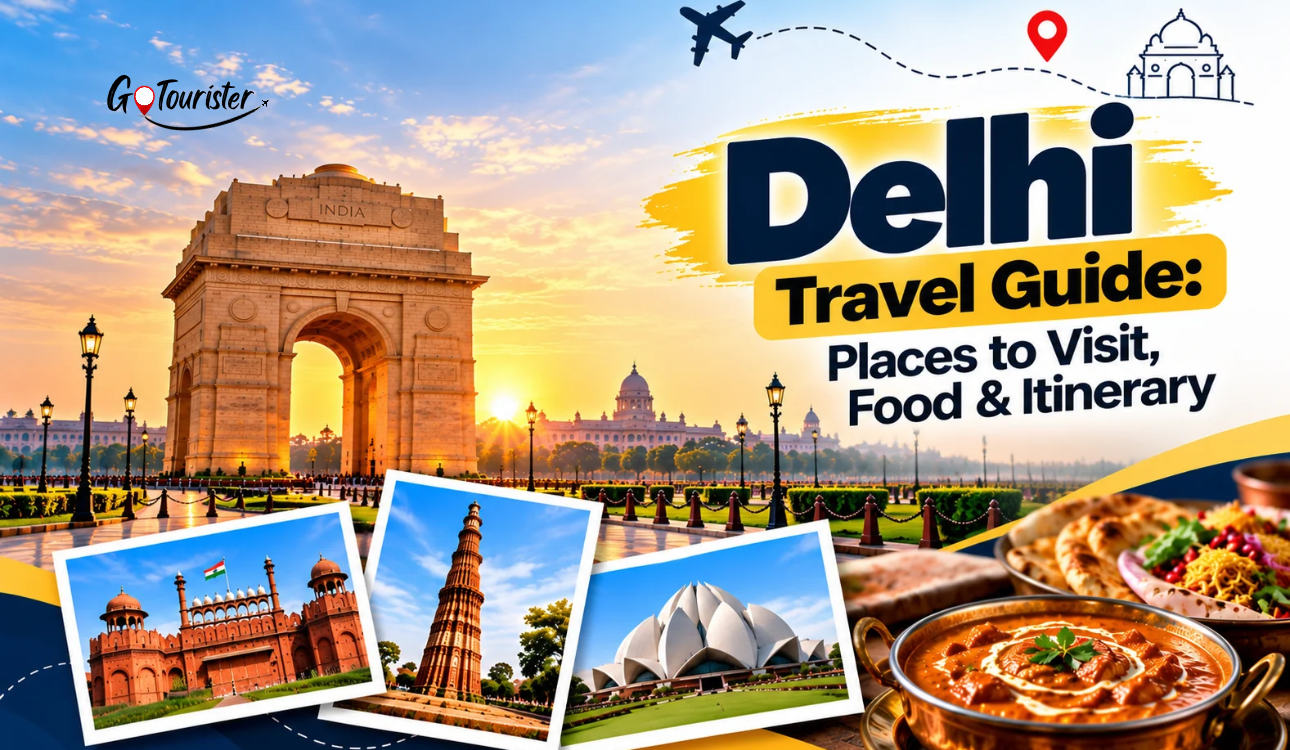
Delhi is a destination where India’s past and present come together. You can explore centuries-old forts in the morning, enjoy famous street food for lunch, shop in colourful local markets in the afternoon, and spend your evening around lively city squares. For travellers visiting India for the first time, Delhi offers a fascinating introduction to the country’s history, culture, architecture and everyday life.
The capital region includes two contrasting experiences. Old Delhi is known for its historic streets, Mughal architecture, traditional markets and famous food. New Delhi offers broad avenues, national landmarks, landscaped gardens, museums and modern shopping areas. Exploring both sides of the city makes a Delhi trip much more rewarding than visiting a few popular monuments.
Whether you are planning a weekend getaway, a family holiday, a solo trip or a longer North India tour, this Delhi travel guide will help you decide where to go, what to eat, how to travel around the city and how much to budget.
Delhi Travel Guide at a Glance
| Travel Detail | Information |
|---|---|
| Best time to visit | October to March, depending on weather conditions |
| Ideal trip duration | 3–4 days |
| Famous attractions | Red Fort, Qutub Minar, India Gate, Humayun’s Tomb |
| Popular food | Chole bhature, parathas, chaat, kebabs and jalebi |
| Best transport option | Delhi Metro for many sightseeing routes |
| Nearest major airport | Indira Gandhi International Airport |
| Major railway stations | New Delhi, Old Delhi and Hazrat Nizamuddin |
| Suitable for | Families, couples, solo travellers and history lovers |
Best Places to Visit in Delhi for First-Time Travellers
Delhi has attractions spread across different parts of the city. Instead of trying to cover everything in one day, group nearby places together. This approach saves travel time and gives you more opportunities to enjoy each destination.
1. Red Fort: Explore Delhi’s Mughal Heritage
The Red Fort is one of the most recognisable historical landmarks in India. Built during the Mughal period, this impressive complex reflects the architectural style and political history of an important era in Indian history.
Visitors can explore its historic structures, courtyards, gates and museums where available. The fort is also closely associated with India’s Independence Day celebrations, making it an important destination for anyone interested in the country’s heritage.
The Red Fort is best included in an Old Delhi sightseeing day. Check the latest opening hours, ticket prices and any visitor restrictions before travelling, as access arrangements can change.
Best for: History lovers, architecture enthusiasts and photography.
2. India Gate and Kartavya Path: Experience New Delhi’s Grand Avenues
India Gate is a prominent war memorial and one of the capital’s best-known landmarks. The surrounding area attracts families, visitors and photographers, particularly during the cooler months.
The nearby Kartavya Path offers a different view of Delhi, with broad avenues and important government buildings in the surrounding area. It is a good place to experience the planned layout and monumental architecture of New Delhi.
Visit in the late afternoon or evening when the weather is comfortable. Remember that security arrangements, public access and traffic restrictions can affect your visit, particularly during national events.
Best for: Evening walks, families and first-time visitors.
3. Qutub Minar: Discover an Architectural Landmark
Qutub Minar is a UNESCO World Heritage Site and one of Delhi’s most important historic attractions. Its tall stone minaret, detailed carvings and surrounding archaeological structures offer a glimpse into the region’s medieval history.
The complex is worth exploring slowly because the smaller monuments and architectural details are also part of its appeal. It is particularly interesting for travellers who enjoy heritage photography and historical sites.
Plan your visit during daylight hours and allow enough time to explore the surrounding complex without rushing.
Best for: Heritage tourism, architecture and photography.
4. Humayun’s Tomb: A Peaceful Escape into Mughal Architecture
Humayun’s Tomb is another UNESCO World Heritage Site and a highlight for visitors interested in Mughal architecture. Its gardens, symmetrical layout, arched entrances and red sandstone construction create a distinctive atmosphere.
The complex is often appreciated for its combination of architecture and landscaped surroundings. It also provides a quieter sightseeing experience compared with the crowded streets of Old Delhi.
Combine Humayun’s Tomb with other attractions in central or south-central Delhi, depending on your transport route and available time.
Best for: Couples, families, photographers and history enthusiasts.
5. Lotus Temple: A Unique Place for Peace and Reflection
The Lotus Temple is known for its distinctive flower-inspired architecture. Designed as a Bahá’í House of Worship, it welcomes people from different backgrounds and encourages a peaceful atmosphere.
The building’s design makes it one of Delhi’s most recognisable modern landmarks. Visitors should respect the site’s rules, maintain silence where requested and check current visiting arrangements before arriving.
You can combine the Lotus Temple with other south Delhi attractions, but leave enough time for transport between locations.
Best for: Architecture lovers and travellers seeking a quieter experience.
6. Akshardham Temple: Admire Art, Culture and Craftsmanship
Akshardham is a major cultural and spiritual attraction in Delhi, known for its elaborate craftsmanship and extensive temple complex. Depending on the facilities operating during your visit, the experience may include exhibitions, gardens and other cultural presentations.
This destination generally requires more time than a quick photo stop. Read the official visitor instructions carefully because security checks and restrictions on personal belongings may apply. Photography and mobile-phone use may also be restricted in certain areas.
Best for: Families, architecture enthusiasts and cultural travellers.
7. Jama Masjid: Visit a Historic Landmark in Old Delhi
Jama Masjid is one of India’s most prominent historic mosques. Its large courtyard, architectural details and location in the heart of Old Delhi make it an important stop for visitors exploring the area’s heritage.
Dress respectfully and follow the rules for visitors. Access arrangements may differ during prayer times and religious occasions.
After your visit, explore nearby streets to experience Old Delhi’s traditional markets and food culture.
Best for: History, architecture and cultural exploration.
8. Chandni Chowk: Explore Markets, Street Food and Old Delhi Life
Chandni Chowk is much more than a shopping destination. Its narrow lanes, busy trading streets, historic buildings and food shops offer a glimpse into Delhi’s traditional commercial life.
The area is popular for textiles, wedding shopping, jewellery, spices, traditional snacks and sweets. Nearby markets specialise in different products, so it helps to decide what you want to buy before exploring the crowded lanes.
Wear comfortable footwear, keep your belongings secure and allow extra time for walking. A cycle-rickshaw ride can be a convenient way to experience parts of the area, depending on traffic and access.
Best for: Street food, budget shopping, local culture and photography.
9. Lodhi Garden: Enjoy Green Spaces and Historic Tombs
Lodhi Garden provides a welcome break from Delhi’s busy roads and crowded markets. The landscaped gardens contain historic tombs and walking paths, making them suitable for a relaxed morning visit.
It is a good choice for travellers who want a slower sightseeing experience between monument visits. The garden is also popular with walkers and people looking for open spaces.
Visit during comfortable weather, carry drinking water and respect the garden’s rules.
Best for: Morning walks, photography and relaxed sightseeing.
10. Agrasen Ki Baoli: Discover a Historic Stepwell
Agrasen Ki Baoli is a historic stepwell located in central Delhi. Its descending steps and repeated stone arches create a distinctive architectural setting that attracts photographers and curious visitors.
Because it can be included with central Delhi sightseeing, it is a useful stop for travellers interested in lesser-known historical structures. Visitor access and opening arrangements should be checked before planning a visit.
Best for: Architecture, photography and short sightseeing stops.
Best Things to Do in Delhi Beyond Sightseeing
The experience of Delhi goes beyond its famous monuments. To understand the city’s character, spend some time exploring its food, markets, neighbourhoods and cultural attractions.
Start with a walk through Old Delhi to see traditional shops and historic streets. Continue with a local food experience, trying regional favourites from reputable vendors. If shopping interests you, explore markets such as Janpath, Sarojini Nagar, Lajpat Nagar or Dilli Haat, depending on what you want to purchase.
Travellers interested in art and history can add museums, galleries or cultural venues to their plans. Meanwhile, people looking for a relaxed afternoon can explore landscaped gardens or spend time around Connaught Place.
For the best experience, avoid treating every attraction as a quick photo stop. Choose a few destinations each day and allow time for meals, walking and unexpected discoveries.
Famous Food in Delhi: What Should You Try?
Delhi is one of India’s most exciting destinations for food lovers. Its food culture reflects influences from different regions, communities and culinary traditions.
Chole Bhature
Chole bhature is a popular North Indian meal featuring spicy chickpea curry and deep-fried bread. It is widely available at local eateries and restaurants across Delhi.
Parathas
Traditional parathas are a popular choice for breakfast and lunch. Old Delhi is particularly well known for its traditional food shops, although you can find different varieties across the city.
Chaat and Golgappa
If you enjoy tangy, spicy flavours, try Delhi-style chaat and golgappa from a clean, busy vendor. Recipes and serving styles vary between shops, so trying a few local favourites can be part of the experience.
Kebabs and Nihari
Delhi’s food traditions include a range of kebabs and slow-cooked meat dishes. These are especially associated with several historic food neighbourhoods. Vegetarian travellers will also find plenty of North Indian and regional alternatives.
Jalebi and Kulfi
Finish your food exploration with traditional sweets such as jalebi or kulfi. Both are popular options when walking through busy shopping and food districts.
Where to explore food in Delhi: Chandni Chowk for traditional snacks and sweets, Connaught Place for cafés and restaurants, and Majnu Ka Tila for Tibetan and other Asian food options.
Food hygiene and personal dietary requirements should always guide your choices. If you have allergies or follow a particular diet, confirm the ingredients before ordering.
Best Shopping Markets in Delhi
Shopping in Delhi ranges from affordable street fashion to traditional handicrafts and premium retail stores. The best market depends on your budget and what you want to buy.
| Market | What to Shop For |
|---|---|
| Chandni Chowk | Textiles, wedding shopping, jewellery and traditional goods |
| Sarojini Nagar | Affordable clothing and fashion accessories |
| Janpath Market | Souvenirs, accessories and handicrafts |
| Lajpat Nagar | Clothing, fabrics and Indian ethnic wear |
| Khan Market | Books, boutiques and premium shopping |
| Connaught Place | Branded stores, cafés and retail outlets |
| Dilli Haat | Handicrafts, regional products and food from different states |
For budget shopping, compare prices across multiple stalls and check product quality before paying. Crowded markets can be busy, especially during festivals and weekends, so plan your visit accordingly.
How to Travel Around Delhi: Metro, Cab and Auto Options
Getting around Delhi is easier when you plan your sightseeing according to location. The Delhi Metro connects many major residential, commercial and tourist areas and is often a convenient alternative to travelling by road.
For example, Chandni Chowk Metro Station provides access to Old Delhi attractions, while Qutub Minar, Central Secretariat and Akshardham stations serve different sightseeing areas. However, the nearest station is not always directly beside the attraction, so check the walking distance and route before setting out.
Auto-rickshaws and app-based cabs can help with destinations that are less convenient to reach by Metro. Traffic congestion can increase journey times, especially during peak hours.
For your first visit, consider these practical tips:
- Use the Metro for longer journeys where the route is convenient.
- Check the latest Metro fares, service hours and interchange routes.
- Allow additional travel time between distant attractions.
- Confirm cab fares or app-based estimates before travelling.
- Carry a payment option that works for your chosen transport.
- Check for road closures or security restrictions near major landmarks.
If you are visiting Delhi for only two or three days, organising attractions by neighbourhood can save considerable time.
Best Time to Visit Delhi
The best time to visit Delhi depends on the type of experience you want. Weather conditions can significantly affect outdoor sightseeing, especially during summer and periods of poor winter air quality.
October to March: These months are generally popular for sightseeing because temperatures are often more comfortable than during peak summer. However, winter mornings can be foggy, and air quality can deteriorate. Check weather and air-quality updates before planning outdoor activities.
April to June: Delhi can experience intense summer heat. Outdoor sightseeing may become uncomfortable during the middle of the day, so plan monument visits for early morning or later afternoon where opening hours allow.
July to September: The monsoon season brings periods of rainfall and humidity. Parks and gardens may look greener, but heavy rain can affect traffic and walking conditions.
For most first-time visitors, a flexible itinerary during the cooler months is a sensible choice. Remember that festivals, holidays and major public events can also affect hotel prices, transport and crowd levels.
Delhi Itinerary: How to Explore the City in 3 Days
A three-day Delhi itinerary is suitable for travellers who want to see the major landmarks without spending the entire trip in transit. The following plan groups attractions geographically, although actual travel times will depend on traffic, opening hours and public transport connections.
Day 1: Explore Old Delhi and Its Food Culture
Begin your morning at the Red Fort, allowing sufficient time to explore the complex. Continue to Jama Masjid and then make your way towards Chandni Chowk.
Spend the afternoon exploring the area’s markets, historic streets and food shops. You can try local snacks, browse traditional goods or take a cycle-rickshaw ride where permitted.
Keep your evening flexible. Depending on your interests and the time available, you can continue exploring Old Delhi or return to your hotel for some rest.
Day 1 highlights: Red Fort, Jama Masjid, Chandni Chowk and traditional Delhi food.
Day 2: Discover New Delhi’s Landmarks
Start with India Gate and the surrounding central Delhi area. If access arrangements permit, explore nearby public spaces and include other attractions according to your interests.
Continue to Humayun’s Tomb for its Mughal architecture and gardens. You can also visit Lodhi Garden if you prefer spending time outdoors.
If you have enough time, add Agrasen Ki Baoli or a museum visit. Avoid packing too many distant attractions into one afternoon because travel between them can take longer than expected.
Day 2 highlights: India Gate, Kartavya Path, Humayun’s Tomb and Lodhi Garden.
Day 3: Visit South Delhi and Enjoy Shopping
Begin the day at Qutub Minar and explore the surrounding heritage complex. Next, consider visiting the Lotus Temple, checking its opening schedule before you leave.
If religious architecture and cultural experiences interest you, you can instead dedicate more time to Akshardham on a separate part of your itinerary. Its location and visitor arrangements may make it easier to plan as a main attraction rather than squeeze it between several distant stops.
Finish your trip with shopping at Connaught Place, Janpath or another market that matches your interests. Leave enough time to return to your accommodation or reach the airport or railway station.
Day 3 highlights: Qutub Minar, Lotus Temple or Akshardham, and shopping.
Planning tip: This itinerary is flexible rather than a guarantee that every attraction can be covered in full. Check opening days, visitor restrictions and travel distances before finalising your schedule.
Delhi Trip Budget: How Much Money Do You Need?
Your Delhi travel budget depends on accommodation, transport, food choices, sightseeing tickets and shopping. Travellers staying in hostels and using public transport will generally spend less than those choosing premium hotels and private cabs.
The following figures are illustrative planning estimates per person per day, not live prices or guaranteed costs.
| Expense | Budget Travel | Mid-Range Travel |
|---|---|---|
| Accommodation | ₹800–₹2,000 | ₹2,500–₹6,000 |
| Food | ₹400–₹800 | ₹800–₹1,500 |
| Local transport | ₹150–₹400 | ₹400–₹1,000 |
| Sightseeing and activities | ₹200–₹700 | ₹500–₹1,500 |
| Estimated daily total | ₹1,550–₹3,900 | ₹4,200–₹10,000 |
For a three-day trip, budget travellers may plan approximately ₹4,650–₹11,700 per person, while mid-range travellers may plan around ₹12,600–₹30,000. These estimates exclude travel to Delhi, major shopping expenses and some premium experiences.
Hotel prices can rise during holidays, festivals and major events. Check current accommodation rates and attraction fees before booking.
Where to Stay in Delhi
Choosing the right area can make your trip more convenient. Instead of selecting accommodation only by price, consider its distance from Metro stations, the attractions you plan to visit and your arrival or departure point.
Connaught Place: A convenient central option for travellers who want restaurants, shopping and access to major transport connections. Accommodation here can be more expensive than in some other neighbourhoods.
Paharganj: A popular area for budget accommodation near New Delhi Railway Station. Compare recent reviews, property conditions and the exact location before booking.
Aerocity: A useful option for travellers with early flights, late arrivals or a preference for hotels near the airport. It may be less convenient for walking to central sightseeing attractions.
South Delhi: Suitable for travellers who prefer a range of residential neighbourhoods, cafés and access to southern attractions. Check the nearest Metro connection before choosing a property.
Book accommodation based on your actual travel plan rather than assuming that a centrally located hotel will be equally convenient for every attraction.
Practical Delhi Travel Tips for a Better Experience
A little preparation can make your Delhi holiday more comfortable. Start by keeping your itinerary realistic and checking attraction schedules before leaving your hotel.
Carry comfortable walking shoes because historical complexes and market areas can involve considerable walking. Keep water with you, especially during warm weather, and take breaks when needed.
During winter, check fog conditions and air-quality updates, particularly if you have respiratory sensitivities. During summer, avoid prolonged outdoor activity during the hottest part of the day.
In crowded places, keep your phone, wallet and other valuables secure. Use reputable accommodation and transport services, and be cautious about unsolicited offers for tours or tickets.
When visiting religious sites, follow dress codes and visitor instructions. Some attractions have restrictions on photography, bags, electronic devices or access during particular hours.
Finally, confirm ticket prices, opening hours and transport arrangements using official sources before your trip. These details can change, and checking in advance helps prevent unnecessary delays.
Places to Visit Near Delhi for a Longer Trip
If you have extra time, Delhi can also be the starting point for a wider North India journey. Several popular destinations can be reached by road or rail, although journey times depend on traffic, the route and the service you choose.
Agra: Famous for the Taj Mahal and Agra Fort, Agra is a popular addition to a Delhi holiday. Travellers can plan a separate day trip or stay overnight to explore more comfortably.
Jaipur: Rajasthan’s capital is known for historic forts, palaces, traditional markets and distinctive architecture. It is a good choice for travellers interested in extending their trip into the Golden Triangle.
Haridwar: This important pilgrimage destination attracts visitors interested in temples, spiritual traditions and the Ganges.
Rishikesh: Known for yoga, riverside scenery and adventure activities, Rishikesh offers a different atmosphere from the capital.
Mathura and Vrindavan: These destinations are associated with Lord Krishna and attract pilgrims throughout the year. Festivals can bring particularly large crowds, so accommodation and transport should be planned carefully.
If you have only three days, focus on Delhi itself. For a longer holiday, combining the capital with Agra or Jaipur can provide a broader introduction to North India’s history and culture.
FAQs
How many days are enough to explore Delhi?
Three days are suitable for many first-time visitors who want to see the major monuments, explore Old Delhi and enjoy local food. Four days allow more time for museums, shopping, religious sites and relaxed sightseeing.
What are the best places to visit in Delhi for first-time travellers?
Red Fort, India Gate, Qutub Minar, Humayun’s Tomb, Chandni Chowk and the Lotus Temple are among the popular choices. Your final selection should depend on your interests, available time and the current visitor schedules.
Which month is best for a Delhi trip?
October to March is generally popular for sightseeing because the weather is often more comfortable. Winter fog and air quality can affect travel, so check local conditions before planning outdoor activities.
Is the Delhi Metro useful for tourists?
Yes. The Delhi Metro connects many major tourist areas and can help travellers avoid road congestion. Check station locations, interchange routes and walking distances to make sure the Metro is practical for each attraction.
How much does a three-day Delhi trip cost?
A budget trip may cost approximately ₹4,650–₹11,700 per person for three days, excluding travel to Delhi and shopping. Mid-range travel may cost around ₹12,600–₹30,000, depending on accommodation, meals, transport and sightseeing choices. These are planning estimates rather than fixed prices.
Is Delhi suitable for a family holiday?
Yes. Delhi offers historical attractions, museums, gardens, cultural sites and shopping areas for different age groups. Families should plan around walking distances, weather, meal breaks and children’s interests.
Can Delhi and Agra be covered in one trip?
Yes. Many travellers combine Delhi and Agra, particularly when visiting the Taj Mahal. Three days in Delhi followed by a separate day or overnight stay in Agra can offer a more comfortable experience than rushing between all the attractions.
Final Thoughts
Delhi rewards travellers who explore it at a comfortable pace. Its historic monuments tell stories of different eras, its markets reveal traditional trading culture, and its food offers a taste of North India’s diverse culinary heritage.
For a first visit, start with Old Delhi, explore the major landmarks of New Delhi, and reserve time for the city’s food and shopping experiences. Use the Metro where convenient, organise attractions by area and confirm important travel details before setting out.
With a practical itinerary and a little flexibility, Delhi can be much more than a quick stop on a North India tour. It can become one of the most memorable parts of your journey.