



Mount Abu is Rajasthan’s only hill station, offering a refreshing mix of lakes, ancient temples, mountain viewpoints, forests and heritage attractions. A well-planned three-day trip gives you enough time to explore the destination without rushing from one attraction to another.
This Mount Abu 3 Days Itinerary is designed for couples, families, first-time visitors and travellers looking for a balanced holiday. The route groups attractions according to their locations, helping you reduce unnecessary backtracking and spend more time enjoying the journey. You will experience Mount Abu’s central attractions on the first day, explore temples and high-altitude viewpoints on the second day, and finish with heritage, nature and local experiences on the third day.
Whether you are arriving from Abu Road in the morning or already staying in Mount Abu, this practical Mount Abu itinerary 3 days plan can easily be adjusted to your arrival schedule.
Mount Abu 3-Day Trip at a Glance
| Day | Main Areas | Key Attractions |
| Day 1 | Central Mount Abu and Nakki Lake area | Nakki Lake, Toad Rock, nearby central attractions, Sunset Point |
| Day 2 | Northern and higher-altitude areas | Dilwara Jain Temples, Guru Shikhar, viewpoints and scenic drives |
| Day 3 | Achalgarh and surrounding nature areas | Achalgarh Fort, Achaleshwar Mahadev, nature experiences, local food and shopping |
This route works well because the first day focuses on attractions close to the town centre, while the second and third days cover areas farther away from the main market. This makes the Mount Abu sightseeing itinerary more efficient and less tiring.
Before You Start Your Mount Abu Trip
A little planning can make a major difference to your experience, particularly because Mount Abu’s attractions are spread across hills and forested roads.
Arrival Planning
Most travellers arrive via Abu Road Railway Station, which is approximately an hour’s drive from Mount Abu, depending on traffic and road conditions. If you arrive early in the morning, you can begin sightseeing after reaching Mount Abu. However, travellers arriving in the afternoon should keep their first day flexible.
If your arrival is late, avoid trying to complete a full sightseeing schedule immediately. Instead, check in, explore the Nakki Lake area and enjoy the evening. You can then shift any missed attractions to the final morning or afternoon.
Local Transportation
Taxis and hired cars are generally the most convenient options for a three-day itinerary, especially for Guru Shikhar and Achalgarh. Auto-rickshaws may be useful for shorter distances around the main town, while walking is enjoyable around Nakki Lake and the central market area.
If travelling as a family or group, hiring a vehicle for a full sightseeing day can be more convenient than arranging separate rides between attractions.
Attraction Timings
Opening and closing times can vary by season, management decisions, religious occasions and other factors. Check current timings before starting each day, particularly for temples and heritage sites.
It is also a good idea to visit popular attractions earlier in the day when crowds are generally lower.
Weather Considerations
Mount Abu is cooler than much of Rajasthan, but weather conditions can still vary significantly throughout the year. Summers are relatively pleasant compared with nearby cities, winters can be chilly, and the monsoon season transforms the landscape into a greener and more scenic environment.
Carry comfortable walking shoes throughout the year. During the monsoon, keep rain protection and allow extra travel time because roads and viewpoints may be affected by weather conditions.
Important Planning Tips
Try to group attractions geographically rather than following a random list of famous places. Start sightseeing earlier on days when you are travelling toward Guru Shikhar or Achalgarh, as these areas require more road travel.
Also keep some flexibility in your Mount Abu trip plan for 3 days. Weather, traffic and your arrival time may affect how much sightseeing you can comfortably complete.
For a broader overview of the destination before planning your route, see the Mount Abu Travel Guide.
Day 1 in Mount Abu – Lake and Central Sightseeing
The first day should remain relatively relaxed. After travelling uphill to Mount Abu, most visitors appreciate beginning with attractions close to the main town instead of immediately taking another long road journey.
Morning: Arrival and Local Exploration
If you arrive in Mount Abu during the morning, check in or leave your luggage and have breakfast before beginning your exploration.
Depending on your arrival time, use the morning for a relaxed walk around the central area. You can explore nearby streets, enjoy the cooler mountain atmosphere and get familiar with the town.
Travellers who arrive before noon can also move directly toward the Nakki Lake area. Those arriving later should skip unnecessary rushing and simply begin the itinerary from the afternoon section.
Afternoon: Nakki Lake and Toad Rock

Spend your afternoon around Nakki Lake, one of Mount Abu’s most popular and conveniently located attractions. The lake area works particularly well on the first day because it is easy to reach and does not require extensive road travel.
Take a leisurely walk around the surroundings and spend some time enjoying the lake views. Depending on conditions and availability, you may also choose a boating activity.
After exploring the lake area, continue toward Toad Rock or other nearby viewpoints and rock formations. These attractions are naturally grouped together because they are close to the central sightseeing zone.
The walk and short climbs can be tiring for some visitors, so wear suitable footwear and avoid trying to cover too many nearby attractions simply because they appear close on a map.
Evening: Sunset Point
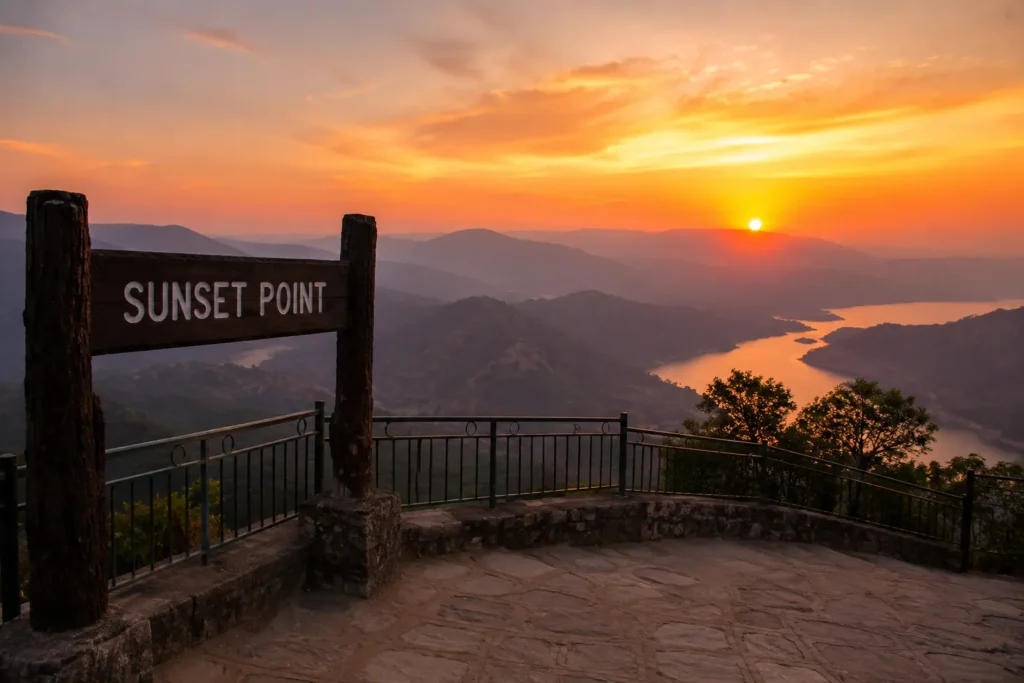
In the late afternoon, head toward Sunset Point for the evening. This creates a logical conclusion to your first day because sightseeing around Nakki Lake can be completed before travelling toward the sunset viewpoint.
Try to arrive with enough time to find a suitable viewing spot, particularly during busy travel periods. The exact sunset experience naturally depends on weather conditions, but the surrounding landscape and evening atmosphere make this a pleasant way to finish the day.
After sunset, return toward the central market area for dinner.
Practical Day 1 tip: Keep this day flexible. If you arrive late, visit Nakki Lake and Sunset Point only, then move any missed local attractions to Day 3.
Day 2 in Mount Abu – Temples, Viewpoints and Nature
Day 2 covers attractions that require more road travel. Starting early helps you avoid rushing and allows you to enjoy the scenic mountain routes.
Morning: Dilwara Jain Temples

Begin the day with the Dilwara Jain Temples. These historic temples are among the most important cultural attractions in Mount Abu and are known for their remarkable marble architecture and intricate craftsmanship.
Visiting in the morning is practical for two reasons. First, it allows you to experience the temple complex before moving toward more distant attractions. Second, mornings are generally more comfortable for a day involving road travel and outdoor viewpoints.
Dress respectfully and follow all site rules. Photography restrictions and visitor regulations may apply, so check instructions on arrival.
Allow enough time to appreciate the architectural details rather than treating the visit as a quick stop.
Afternoon: Scenic Drive Toward Guru Shikhar
After lunch, continue toward Guru Shikhar, the highest point in the Aravalli Range. The drive itself is part of the experience, with changing landscapes and elevated views along the route.
Because Guru Shikhar is farther from the central town, it makes more sense to combine it with other attractions in the same direction rather than returning to the town between stops.
Depending on your pace and the time available, you can stop at suitable viewpoints along the route. Avoid overloading the afternoon with too many distant attractions. Mountain roads may make short map distances take longer than expected.
Late Afternoon: Guru Shikhar

Spend the later part of the afternoon exploring Guru Shikhar and enjoying the surrounding views.
Bring water and wear comfortable shoes, particularly if you plan to walk uphill. Weather can feel noticeably cooler at higher elevations, especially during winter or after rainfall.
Once you have finished, return toward Mount Abu before it becomes too late. The return drive can be a good opportunity to enjoy the scenery without adding extra sightseeing stops.
Evening: Relaxed Dinner
After a full day of temples, viewpoints and road travel, keep the evening simple. Enjoy dinner near your accommodation or explore the market area at a relaxed pace.
Why this route works: Dilwara Jain Temples and Guru Shikhar require travel away from the immediate Nakki Lake zone. Completing them on the same day reduces unnecessary movement between the centre of town and the outer areas.
Day 3 in Mount Abu – Heritage, Nature and Local Experiences
The final day combines Mount Abu’s heritage and natural surroundings while leaving time for a slower local experience before departure.
Morning: Achalgarh Fort and Achaleshwar Mahadev

Start early and travel toward Achalgarh. The area is best visited as part of a dedicated outing because it is away from the central Nakki Lake zone.
Explore Achalgarh Fort and spend time understanding its historical setting and hilltop location. Nearby religious attractions such as Achaleshwar Mahadev can also be included depending on your pace and interest.
Combining these sites makes sense because they are located in the same broader direction, reducing the need to return to the town repeatedly.
Afternoon: Nature and Scenic Exploration
After lunch, choose a nature-focused activity according to your interests and available time. Mount Abu is surrounded by forested landscapes and scenic roads, so this is a good opportunity to slow down after two busy sightseeing days.
Nature enthusiasts may prefer spending time around forested areas or exploring viewpoints. Travellers interested in wildlife should remember that sightings are never guaranteed and should plan according to current access conditions and local regulations.
This afternoon is intentionally flexible. It can also serve as a buffer if weather or late arrival caused you to miss an attraction earlier in the trip.
For more ideas when customising this part of your journey, explore Best Places to Visit in Mount Abu.
Evening: Local Food and Shopping
Return to the main town for your final evening. Spend some time exploring local shops for souvenirs, handicrafts and small travel purchases.
Finish your trip with a relaxed dinner rather than scheduling another distant attraction. If you are departing early the next morning, use this time to prepare for your journey to Abu Road or your next destination.
Alternative 3-Day Mount Abu Itinerary
For Nature and Photography Lovers
Travellers who prefer landscapes over heritage can adjust the itinerary.
Day 1: Nakki Lake, rock formations and Sunset Point.
Day 2: Early morning viewpoints, Guru Shikhar and scenic mountain roads, with extra time for photography.
Day 3: Achalgarh area and forest or nature experiences, followed by a relaxed evening around the lake or market.
This version works best for visitors travelling during seasons when the landscape is particularly green or atmospheric. Keep your schedule flexible because clouds, rain and visibility can strongly influence photography.
Estimated Cost for a 3-Day Mount Abu Trip
Your total cost depends mainly on how you travel to Mount Abu, the type of accommodation you choose, local transport and dining preferences.
For a practical estimate, consider four main categories: transport to and from Mount Abu, accommodation, local sightseeing transport and food or activities. Travellers using private taxis for multiple days should factor local vehicle costs carefully, as distant attractions such as Guru Shikhar and Achalgarh require more road travel.
For a more detailed breakdown, see the Mount Abu Trip Budget.
Where to Stay for This Itinerary
For this itinerary, staying around the central Mount Abu area is generally the most convenient option. Accommodation near the Nakki Lake and market zone can make evening walks, meals and Day 1 sightseeing easier.
A quieter location slightly away from the busiest central streets may suit travellers who prefer a peaceful stay. However, avoid choosing accommodation too far from the main town unless you have your own vehicle, as daily travel time can increase.
The best choice is one that provides convenient access to the central area while allowing straightforward road connections toward Dilwara, Guru Shikhar and Achalgarh.
Transportation Tips for This Itinerary
- Hire a taxi or car for Day 2 and Day 3 if possible, as these days involve more distant attractions.
- Keep Day 1 focused on walking-friendly central locations.
- Allow extra time for mountain roads, particularly during busy periods or rainy weather.
- If arriving at Abu Road, avoid scheduling distant sightseeing immediately after a long journey.
- Confirm return transport in advance if you have a fixed train or bus departure.
- Start early on days involving Guru Shikhar and Achalgarh to avoid compressing the itinerary.
Important Mount Abu Itinerary Tips
- Start sightseeing early, especially for attractions outside the main town.
- Keep your first day flexible according to your arrival time.
- Do not try to visit every attraction in three days; the experience is better when travel time is balanced with relaxation.
- Carry water, comfortable walking shoes and weather-appropriate clothing.
- Check current opening times before visiting temples and other managed attractions.
- Respect religious and environmental rules.
- Keep a time buffer before returning to Abu Road for a train or other onward journey.
- During the monsoon season, expect changing weather and allow extra flexibility.
Frequently Asked Questions
1. Is 3 days enough for Mount Abu?
Yes, three days is enough for a comfortable first visit. You can explore central attractions, major temples, Guru Shikhar, Achalgarh and selected nature experiences without rushing excessively.
2. What is the best way to plan 3 days in Mount Abu?
Group attractions by location. Spend the first day around Nakki Lake and central Mount Abu, the second day covering Dilwara Jain Temples and Guru Shikhar, and the third day exploring Achalgarh and nature-focused attractions.
3. Can I visit Mount Abu without a private car?
Yes, but a private taxi or hired vehicle makes the itinerary more convenient, particularly for Guru Shikhar and Achalgarh. Walking and local transport can work well around the town centre.
4. Which day should I visit Nakki Lake?
Nakki Lake is ideal for Day 1 because it is centrally located and works well for travellers who arrive at different times.
5. How far is Mount Abu from Abu Road?
The journey from Abu Road to Mount Abu typically takes around an hour, although actual travel time depends on traffic, weather and road conditions.
6. Should I visit Guru Shikhar in the morning or afternoon?
Either can work, but the most important factor is starting your sightseeing day early. This gives you enough time for the drive and allows flexibility for stops along the route.
Conclusion
A well-planned Mount Abu 3 Days Itinerary gives you enough time to experience the hill station’s lakes, viewpoints, temples, heritage sites and natural surroundings without rushing from one attraction to another. By keeping Day 1 focused on central sightseeing, dedicating Day 2 to temples and higher-altitude viewpoints, and exploring Achalgarh and nature on Day 3, you can make the most of your time while minimizing unnecessary travel.
Whether you are travelling with family, as a couple or on a short getaway, spending 3 days in Mount Abu offers a balanced mix of sightseeing and relaxation. Keep your schedule flexible according to your arrival time and weather conditions, and avoid trying to cover too many attractions in a single day.