


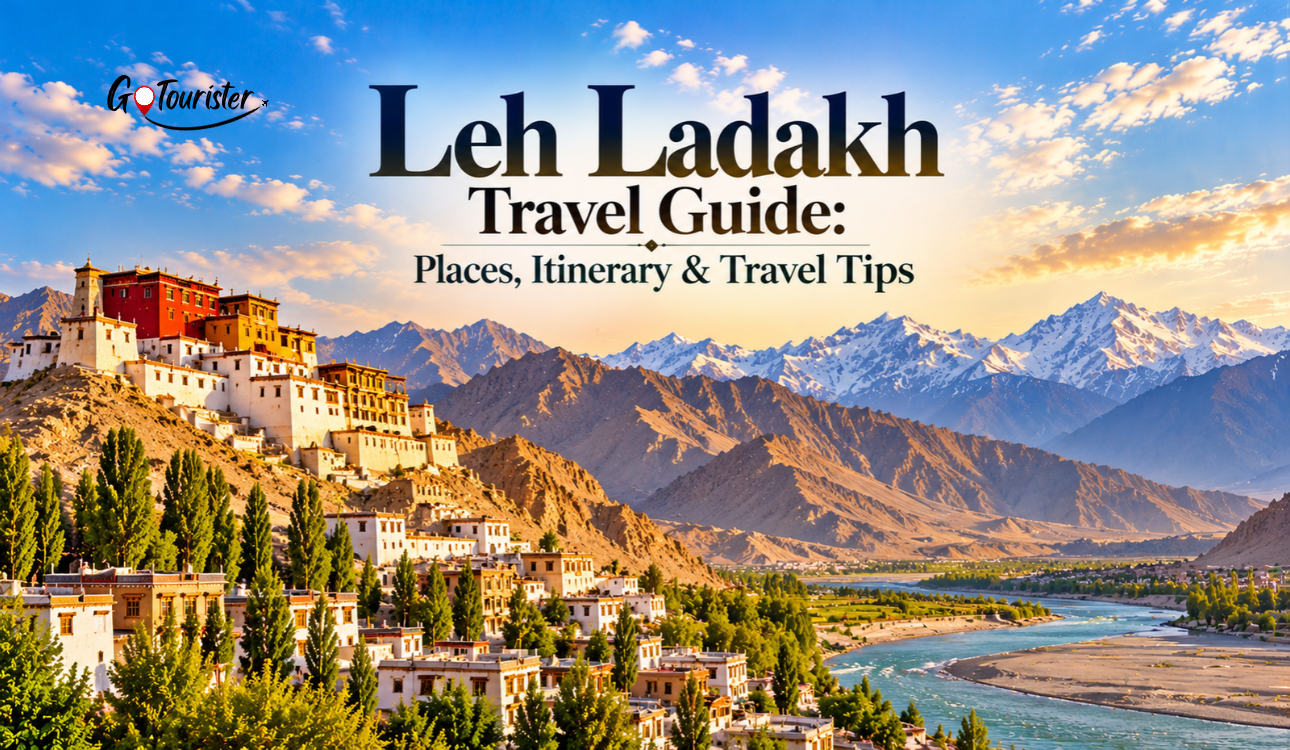
Leh Ladakh is one of India’s most extraordinary travel destinations, where towering Himalayan mountains, turquoise lakes, ancient monasteries and quiet mountain villages create a landscape unlike anywhere else in the country. Located in the Union Territory of Ladakh, this high-altitude region attracts adventure seekers, nature lovers, photographers, bikers and travellers looking for a peaceful escape from busy city life.
A trip to Leh Ladakh is not just about visiting famous tourist attractions. It is about driving through dramatic mountain passes, watching the colours of Pangong Lake change throughout the day, exploring the sand dunes of Nubra Valley and experiencing the unique culture of Himalayan communities.
However, travelling to Ladakh requires more preparation than an ordinary holiday. High altitude, unpredictable weather, remote roads and limited facilities in certain areas make proper planning essential.
This complete Leh Ladakh travel guide covers the best places to visit, the ideal travel season, how to reach Ladakh, recommended itineraries, accommodation options, estimated trip costs and essential safety tips to help you plan a memorable journey.
Understanding Leh Ladakh: What Makes It Special?
Ladakh is often called the Land of High Passes because of its mountain roads, elevated valleys and spectacular Himalayan scenery. Leh serves as the main tourist hub and the starting point for most journeys to nearby attractions.
Unlike the green valleys commonly associated with the Himalayas, much of Ladakh features a cold desert landscape. Brown mountains, rocky cliffs, open plateaus and deep blue skies dominate the scenery. Rivers and mountain streams bring life to otherwise dry surroundings, while traditional villages and monasteries add cultural depth to the region.
Ladakh also has a distinctive cultural identity influenced by Tibetan Buddhism, local Himalayan traditions and centuries-old trade connections. Visitors can explore historic monasteries, traditional homes, local markets and villages where everyday life continues at a slower pace.
The region offers different experiences depending on your interests. Adventure travellers can plan motorcycle journeys and mountain treks, families can explore Leh and its nearby attractions, and photographers can discover some of India’s most dramatic natural landscapes.
Best Places to Visit in Leh Ladakh
Ladakh has far more to offer than its famous lakes. From historic royal residences to remote villages and high mountain passes, each destination provides a different experience.
1. Pangong Tso Lake
Pangong Tso is one of the most recognisable attractions in Ladakh. Located at approximately 4,350 metres above sea level, this high-altitude lake is famous for its clear water and changing shades of blue, green and turquoise.
The lake stretches across a vast mountain landscape, creating spectacular views during clear weather. Its appearance changes with the sunlight, making early mornings and late afternoons particularly rewarding for photography.
Many travellers choose to spend a night near the lake to experience the quiet surroundings after daytime visitors leave. Accommodation options generally include camps and guesthouses in designated areas, although availability depends on the season.
The journey to Pangong is an important part of the experience, with mountain roads, open valleys and high passes along the way. Visitors should carry warm clothing because temperatures can fall considerably after sunset, even during summer.
2. Nubra Valley
Nubra Valley is one of the most rewarding destinations for travellers exploring Ladakh beyond Leh. The valley combines dramatic mountain scenery, traditional villages, green agricultural areas and unusual desert landscapes.
The route from Leh crosses Khardung La before descending towards the Nubra region. Road conditions and travel times vary, so it is important to allow enough time for the journey.
One of the main highlights is Hunder, where cold desert sand dunes sit between rugged mountains. The area is known for its Bactrian camels, which have two humps and reflect the region’s historical connections with Central Asian trade routes.
Visitors can also explore Diskit Monastery, local villages and traditional markets. Those with additional time may consider travelling towards Turtuk, a village known for its Balti culture, orchards and distinctive local architecture. Access to particular areas depends on current permissions and local restrictions.
Nubra Valley deserves at least one overnight stay because rushing through the region limits the opportunity to enjoy its landscapes and villages.
3. Leh Palace
Leh Palace is a historic royal building overlooking Leh town. Constructed during the seventeenth century, it reflects the traditional architecture and royal heritage of the region.
The palace stands above the old town and offers views of surrounding mountains, rooftops and the Indus Valley. Its weathered walls and traditional design provide a glimpse into Ladakh’s history before modern tourism became widespread.
Visitors can explore different sections of the building and learn about the royal family’s historical connections with the region. The surrounding old-town streets are also worth exploring, especially for travellers interested in local culture and architecture.
Leh Palace is an excellent choice for a relaxed sightseeing day and can easily be combined with nearby attractions.
4. Shanti Stupa
Shanti Stupa is a prominent white-domed Buddhist monument situated on a hill overlooking Leh. Its elevated position makes it a popular destination for panoramic views of the town and surrounding Himalayan landscape.
The stupa is particularly attractive around sunrise and sunset, when the changing light creates beautiful contrasts across the mountains.
Visitors need to climb steps to reach the monument, although the effort is generally manageable for travellers who have acclimatised properly. Those still experiencing altitude-related discomfort should avoid unnecessary exertion.
Shanti Stupa is also a peaceful place to appreciate the spiritual atmosphere of Ladakh. Visitors should maintain respectful behaviour and follow local customs.
5. Khardung La Pass
Khardung La is a famous high mountain pass on the route between Leh and Nubra Valley. Its reputation among motorcycle riders and road-trip enthusiasts makes it one of Ladakh’s best-known landmarks.
The journey offers views of steep mountain slopes, winding roads and snow-covered peaks during suitable conditions. Travellers often stop at designated areas for photographs before continuing towards Nubra.
However, the pass should not be treated as a place to spend a long time at high altitude. Reduced oxygen levels can affect visitors quickly, particularly those who have not acclimatised.
Road access can change because of snowfall, maintenance or security restrictions. Always follow local instructions rather than relying only on travel videos or older online guides.
6. Magnetic Hill
Magnetic Hill is a popular roadside stop on the route west of Leh towards the Indus and Zanskar river confluence.
The location is famous for an optical illusion that makes vehicles appear to move uphill when placed at a particular point on the road. The effect is generally explained by the surrounding landscape and the way the horizon influences visual perception.
Although it is an interesting stop, the main attraction is the broader scenery of rocky mountains and open valleys. It is easy to include Magnetic Hill in a day trip from Leh.
Visitors should remain in designated stopping areas and avoid obstructing traffic while taking photographs.
7. Sangam: The Indus and Zanskar River Confluence
The confluence of the Indus and Zanskar rivers is one of the most striking natural viewpoints near Leh. At Sangam, the two rivers meet beneath rugged mountain slopes.
Depending on the season and water conditions, the rivers can display contrasting shades that make their meeting point particularly photogenic.
The location is also associated with river-based adventure activities during suitable periods. Availability depends on water levels, weather and operator safety arrangements.
Sangam is a convenient addition to an excursion that includes Magnetic Hill and other attractions along the western side of Leh.
8. Thiksey Monastery
Thiksey Monastery is one of Ladakh’s most impressive religious and architectural landmarks. Located on a hill east of Leh, the monastery features white buildings arranged across the slope, creating a dramatic silhouette against the surrounding mountains.
Its architecture resembles the famous Potala Palace in Lhasa. The complex includes prayer halls, courtyards, religious artwork and a prominent statue of Maitreya Buddha.
Travellers interested in Buddhist culture can learn about monastic traditions and appreciate the peaceful atmosphere of the complex.
It is best to visit respectfully, dress appropriately and avoid disturbing prayer sessions. The monastery can be combined with Shey Palace and other attractions along the Indus Valley.
9. Hemis Monastery
Hemis Monastery is one of the major centres of Tibetan Buddhist heritage in Ladakh. Situated southeast of Leh, it is known for its religious significance, historic collections and annual festival traditions.
The monastery attracts visitors interested in traditional architecture, Buddhist teachings and cultural celebrations. The Hemis festival is particularly famous for masked dances and ceremonies associated with Guru Padmasambhava.
Festival dates vary, so travellers planning their journey around the celebrations should confirm the official schedule before booking accommodation.
Even outside festival periods, Hemis offers an opportunity to explore an important part of Ladakh’s living cultural heritage.
10. Diskit Monastery
Diskit Monastery is an important religious landmark in Nubra Valley. The complex is especially recognisable because of the large Maitreya Buddha statue overlooking the surrounding landscape.
From the monastery, visitors can enjoy broad views of Nubra’s mountains and valley floor. The setting makes it a rewarding stop for photography and cultural exploration.
Travellers usually visit Diskit while exploring Hunder and other parts of Nubra Valley. Allow sufficient time for the journey between locations rather than trying to cover every attraction in a single day.
11. Tso Moriri Lake
Tso Moriri is a remote high-altitude lake in the Changthang region. Compared with Pangong, it often feels quieter and less developed, making it attractive to travellers seeking a more remote Himalayan experience.
The lake is surrounded by mountains and open plateaus, with a landscape that changes dramatically according to the light and weather. The nearby settlement of Korzok provides a base for visitors exploring the area.
Tso Moriri is also important for high-altitude wildlife and birdlife. Visitors should avoid disturbing animals, leaving waste or entering sensitive areas without permission.
Because the journey involves substantial distances and high elevations, it is better suited to travellers with additional days and appropriate acclimatisation.
12. Alchi Monastery
Alchi Monastery is known for its historic Buddhist artwork, murals and distinctive architectural heritage. Unlike several monasteries built prominently on hilltops, Alchi’s religious complex sits in a village setting near the Indus River.
Its artwork provides insight into centuries of cultural exchange across the Himalayan region. Visitors interested in history, art and religious traditions may find Alchi particularly rewarding.
Combine the visit with a wider excursion through the lower Indus Valley rather than treating it as a quick stop between distant destinations.
13. Lamayuru Monastery and Moonland
Lamayuru is a historic settlement west of Leh, famous for its monastery and unusual surrounding rock formations. The landscape is often called Moonland because its eroded terrain resembles the surface of the Moon.
The village offers a different perspective on Ladakh, combining cultural heritage with unusual geological scenery.
Lamayuru is commonly included in journeys between Leh and Kargil or as part of a longer exploration of western Ladakh. Travellers should allow enough time to appreciate the scenery rather than rushing through the area.
Best Time to Visit Leh Ladakh
The best time to visit Ladakh depends on the type of trip you want to experience. Summer is generally preferred for sightseeing and road journeys, while winter attracts travellers interested in snow-covered landscapes and specialised winter adventures.
May to June: The Beginning of the Travel Season
Late spring and early summer mark the gradual reopening of mountain routes as snow conditions improve.
This period can offer fresh mountain scenery, relatively manageable tourist crowds in some areas and opportunities to experience the changing landscape. However, not every high-altitude road or attraction will necessarily be accessible.
Travellers planning a motorcycle trip should check the status of major highways before confirming their route.
July to August: Peak Season for Ladakh Trips
July and August are popular months for visiting Ladakh because many major attractions and mountain roads are generally accessible when conditions permit.
Travellers can explore Pangong Lake, Nubra Valley, monasteries and high mountain passes. This is also a busy period for hotels, camps and bike rentals.
Although Ladakh is relatively dry, the wider Himalayan region can experience heavy rain, landslides and road disruptions, particularly along approach routes. Keep spare days in your itinerary and check local advisories.
September to October: Clear Skies and Autumn Landscapes
September is an excellent option for travellers who prefer clearer skies and potentially fewer crowds than during the busiest summer weeks.
Autumn brings changes in the colours of valleys and villages, creating excellent opportunities for landscape photography.
However, temperatures begin to drop, and some facilities may reduce operations towards the end of the season. The Manali–Leh and other high-altitude routes may also face early seasonal closures depending on weather conditions.
November to February: Winter in Ladakh
Winter transforms Ladakh into a challenging but fascinating destination. Snow-covered mountains, frozen water bodies and quiet settlements create a very different travel experience.
This season is suitable mainly for experienced winter travellers or visitors travelling with knowledgeable local operators. Temperatures can fall far below freezing, and road access to remote destinations may become difficult or impossible.
The famous Chadar Trek on the frozen Zanskar River is a specialised winter experience that depends on ice conditions and official arrangements.
For most first-time visitors, summer or early autumn is a more practical choice.
How to Reach Leh Ladakh
Travellers can reach Ladakh by air or road. Your choice depends on the time available, budget, preferred scenery and comfort with mountain travel.
By Flight
Kushok Bakula Rimpochee Airport serves Leh and is the most convenient option for visitors with limited holiday time.
Flights commonly connect Leh with Delhi, although schedules and connections vary by airline and season. Other connections may be available depending on the operating schedule.
Flying saves considerable travel time, but arrival by air places visitors at high altitude almost immediately. Plan to rest after arrival rather than beginning a demanding sightseeing schedule.
Weather conditions can also affect flight operations, so avoid arranging important onward travel with an extremely tight connection.
By Road from Srinagar
The Srinagar–Leh Highway is a scenic approach to Ladakh, passing through areas such as Sonamarg, Zoji La, Drass, Kargil and Lamayuru.
The journey offers opportunities to experience the transition from Kashmir’s green landscapes to Ladakh’s rugged mountains. Many travellers divide the drive into two days, staying overnight around Kargil.
This route is often preferred by visitors who want a road trip while approaching Ladakh gradually. Nevertheless, it still involves significant altitude changes, and weather or road conditions can disrupt the journey.
By Road from Manali
The Manali–Leh Highway is famous for its dramatic mountain scenery, remote stretches and high mountain passes.
The route passes through areas including Keylong, Sarchu and other high-altitude landscapes, depending on the chosen itinerary and current road alignment.
It is particularly popular among motorcycle enthusiasts and road-trip travellers. However, long driving days, limited facilities and rapid elevation changes make it demanding.
The highway is seasonal, and opening or closure dates depend on weather and road maintenance. Check current official updates before travelling.
By Motorcycle
A motorcycle trip to Ladakh is a bucket-list experience for many adventure travellers. Riders can explore winding roads, mountain passes and remote valleys while enjoying the freedom of travelling at their own pace.
However, the route requires more than enthusiasm. Riders need appropriate protective gear, a well-maintained motorcycle, experience with mountain roads and a realistic understanding of changing weather.
Do not attempt difficult sections simply because other riders have done so. Carry essential repair equipment, check fuel availability and plan overnight stops in advance.
First-time riders without high-altitude riding experience should consider travelling with a reputable local operator or choosing a less demanding itinerary.
Suggested Leh Ladakh Itinerary
The following itinerary provides a practical starting point for a first-time visitor. It focuses on acclimatisation, major attractions and manageable travel days rather than trying to cover the entire region.
Day 1: Arrive in Leh and Rest
Arrive in Leh, transfer to your accommodation and spend the day resting.
Drink fluids regularly, eat light meals if preferred and avoid strenuous walking, running or climbing. Do not schedule high mountain passes or remote lake excursions on arrival day.
If you experience a headache, nausea, unusual fatigue or dizziness, take the symptoms seriously and seek medical advice if they persist or worsen.
Day 2: Explore Leh Town
If you are feeling well, begin with a relaxed visit to Leh Palace and the local market.
Later, visit Shanti Stupa if you have acclimatised comfortably and feel able to manage the climb. Enjoy the town’s cafes, traditional shops and local atmosphere without overloading the schedule.
If you still feel unwell, prioritise rest rather than sightseeing.
Day 3: Monasteries and the Indus Valley
Explore Thiksey Monastery, Shey Palace and nearby cultural attractions.
Continue towards the Indus and Zanskar river confluence if road conditions and your energy levels permit. Magnetic Hill can be included along the same general route.
Return to Leh for the night.
Day 4: Travel to Nubra Valley
Leave Leh for Nubra Valley, crossing Khardung La if the route is open and permitted.
Spend the afternoon exploring the valley and nearby villages. Visit Diskit Monastery if time, road conditions and local opening arrangements allow.
Stay overnight in Nubra rather than attempting a rushed return to Leh.
Day 5: Explore Hunder and Return to Leh
Visit the Hunder sand dunes and consider a locally available camel experience if operating conditions permit.
Travellers with additional time may prefer to explore Turtuk or spend another night in Nubra. Those following the shorter itinerary can return to Leh, allowing sufficient time for the mountain drive.
Day 6: Visit Pangong Tso
Travel towards Pangong Lake using the route currently recommended by local authorities.
Enjoy the lakeside scenery and stay overnight in an authorised accommodation option if available. Pack warm layers, even during the warmer months.
If the road is closed or conditions are poor, do not force the journey. Use this day for an alternative excursion or extend your stay in Leh.
Day 7: Return and Depart
Return to Leh according to your flight schedule and current road conditions.
Avoid planning a tight connection immediately after a long mountain drive. If your budget and holiday duration allow, an additional night in Leh provides a useful buffer against delays.
Planning tip: Seven days is a reasonable starting point for a classic first trip, but eight to ten days provides more flexibility. Add extra time if you want to visit Tso Moriri, Turtuk, Zanskar or other remote areas.
Where to Stay in Leh Ladakh
Accommodation in Ladakh ranges from basic guesthouses and homestays to comfortable hotels, boutique properties and seasonal camps.
Leh Town
Leh is the most convenient base for first-time visitors. It offers a wider selection of accommodation, restaurants, shops and travel services.
Staying here at the beginning of your trip makes acclimatisation easier to plan. Look for accommodation with reliable heating arrangements during colder months and convenient access to local facilities.
Nubra Valley
Nubra has guesthouses, homestays and seasonal accommodation options in villages and tourist areas.
A homestay can provide a more personal experience of local life, while established hotels may suit visitors looking for additional facilities. Confirm heating, hot water and meal arrangements before booking.
Pangong Lake
Accommodation near Pangong is generally more seasonal and can be more basic than in Leh.
Choose an authorized property and check its operating dates, sanitation facilities, bedding and heating arrangements. Overnight temperatures can be very cold, so confirm what the accommodation actually provides rather than relying on photographs alone.
Tso Moriri
Accommodation around Tso Moriri is more limited, and visitors should plan carefully before travelling into the region.
Check whether your chosen property is operating during your travel dates and whether meals, heating and transport arrangements are available.
For remote areas, advance booking and confirmation with local operators can prevent unnecessary travel complications.
Leh Ladakh Trip Budget: How Much Does It Cost?
The total cost of a Ladakh trip depends on your starting city, travel dates, transport choices, accommodation standards, group size and number of days.
The following figures are broad planning estimates for a seven-day trip per person, excluding major international travel and assuming shared accommodation or transport where applicable. They are not live quotations.
| Expense category | Budget estimate |
|---|---|
| Return flights from a major Indian city | ₹6,000–₹18,000 |
| Accommodation for six nights | ₹6,000–₹15,000 |
| Food and beverages | ₹3,500–₹7,000 |
| Local transport and shared excursions | ₹5,000–₹12,000 |
| Activities, entry fees and miscellaneous expenses | ₹2,000–₹5,000 |
| Estimated total | ₹22,500–₹57,000 |
These figures can vary considerably. Flights may cost more during peak season, while a private taxi or solo motorcycle rental can increase the overall budget. A self-drive road trip also involves fuel, maintenance, parking and possible accommodation costs along the route.
A more comfortable trip with private transport, better hotels and additional destinations may cost significantly more. Keep an emergency reserve for unexpected overnight stays, weather delays or transport changes.
To manage your budget, book flights and accommodation early, compare shared excursions with private transport, avoid unnecessary last-minute purchases and choose an itinerary that fits your available days.
Food to Try in Ladakh
Ladakhi food reflects the region’s climate, geography and cultural connections with the wider Himalayan region.
Thukpa: A warm noodle soup that is particularly comforting after a cold day of sightseeing.
Momos: Steamed or fried dumplings commonly filled with vegetables or meat, depending on the restaurant.
Skyu: A traditional Ladakhi dish made with small pieces of dough cooked with vegetables and other ingredients.
Mokthuk: A dumpling soup that combines a warming broth with dumplings.
Butter tea: A traditional regional drink prepared with tea, butter and salt. Its flavour is different from the sweet milk tea commonly consumed elsewhere in India.
Visitors can also find Indian, Tibetan and other cuisines in Leh. Food options may be more limited in remote villages, so confirm meal availability when booking accommodation.
Drink safe water, eat at clean establishments and carry snacks on long drives where restaurants may be scarce.
Important Travel Tips Before Visiting Ladakh
Acclimatise Before Exploring
High altitude is one of the most important considerations when visiting Ladakh. Leh is situated at approximately 3,500 metres above sea level, and many popular attractions are considerably higher.
Spend the first 24–48 hours resting and adjusting to the altitude, following current medical guidance. Avoid strenuous activity immediately after arrival.
Altitude sickness can affect people regardless of age or fitness. A worsening headache, vomiting, confusion, difficulty walking or breathlessness at rest requires urgent medical attention. Do not continue ascending when experiencing symptoms, and descend with assistance when advised.
Consult a healthcare professional before travelling if you have concerns about high-altitude exposure or existing medical conditions.
Carry Suitable Clothing
Ladakh’s weather can change quickly. Warm jackets, thermal layers, gloves, a hat, sunglasses and sturdy walking shoes are useful even during summer.
Layering allows you to adjust your clothing as temperatures change between sunny afternoons, windy mountain passes and cold evenings.
Keep Cash Available
ATMs and digital payment facilities may be available in major settlements, but remote areas can have limited connectivity or unreliable services.
Carry enough cash for small purchases, local transport and unexpected expenses. Keep it secure and separate from your main wallet.
Check Mobile Network Coverage
Mobile connectivity varies by location, network and service type. Coverage in Leh may be different from that in remote valleys or near high mountain passes.
Confirm roaming and service arrangements with your provider before departure. Download offline maps and save essential booking details in advance.
Check Road Conditions Daily
Mountain roads can be affected by snowfall, landslides, construction and other unexpected events.
Ask your accommodation or local transport provider about current conditions before setting out. Allow extra time and avoid night driving on unfamiliar mountain roads whenever possible.
Respect Local Culture and the Environment
Ladakh’s monasteries, villages and natural landscapes deserve careful treatment. Dress respectfully at religious sites, ask permission before photographing people and follow local instructions.
Avoid littering, damaging fragile terrain, disturbing wildlife or leaving waste at lakes and campsites. Choose responsible operators and respect restrictions in sensitive areas.
Keep Essential Items With You
Carry identification, travel insurance details, necessary medication, sunscreen, lip balm, personal toiletries, a reusable water bottle and a small first-aid kit.
A portable charger and offline copies of bookings can also be useful when connectivity is limited.
Is Leh Ladakh Suitable for Families and First-Time Travellers?
Yes, Ladakh can be an enjoyable destination for families and first-time visitors, provided the trip is planned around altitude, comfort and realistic travel distances.
Families may prefer flying to Leh, staying in comfortable accommodation and exploring nearby attractions before travelling to more remote destinations. Children and older adults require particular attention to acclimatisation and any individual medical concerns.
First-time travellers should not feel pressured to complete every famous route. Visiting Leh, a few monasteries and one major valley can create a rewarding experience without unnecessary rushing.
Motorcycle trips and remote high-altitude excursions are better suited to travellers with appropriate experience, preparation and reliable local support.
FAQs
How many days are enough for a Leh Ladakh trip?
Seven days is a useful starting point for Leh, Nubra Valley and Pangong Lake. Eight to ten days provides more flexibility for weather delays, additional destinations and a relaxed pace. Remote regions such as Zanskar may require more time.
Which month is best for visiting Leh Ladakh?
July and August are popular for classic sightseeing and road trips, while September can offer clear skies and autumn scenery. Exact road access and weather conditions vary every year, so check local updates before booking.
Is Leh Ladakh expensive to visit?
A Ladakh trip can fit different budgets. Shared transport, guesthouses and advance flight bookings can help reduce costs, while private taxis, premium accommodation and motorcycle rentals can increase spending. A seven-day trip may require approximately ₹22,500–₹57,000 per person, including estimated flights from a major Indian city.
Is a permit required to visit Nubra Valley and Pangong Lake?
Access and permit requirements depend on nationality, destination and current regulations. Indian citizens and foreign visitors may face different requirements, and certain areas have specific restrictions. Check the official Ladakh administration or tourism website before travelling.
Is Ladakh safe for tourists?
Ladakh is a popular destination, but visitors must take high-altitude health risks, mountain-road conditions, weather changes and remote travel limitations seriously. Acclimatise properly, use reliable transport and follow official advisories.
Can I visit Ladakh in winter?
Yes, but winter travel requires specialised planning. Extreme cold, snow and limited road access can make travel challenging. Choose experienced local operators, suitable accommodation and activities appropriate to your experience.
Is a motorcycle trip to Leh Ladakh suitable for beginners?
Not necessarily. High-altitude roads, sharp bends, loose surfaces and unpredictable weather can challenge inexperienced riders. Beginners should consider gaining riding experience first or choosing a supported trip with an experienced operator.
Final Thoughts
Leh Ladakh is a destination that rewards travellers who take their time. Its appeal lies not only in famous attractions such as Pangong Tso and Nubra Valley, but also in quiet villages, ancient monasteries, winding mountain roads and the extraordinary stillness of its high-altitude landscapes.
The best way to experience the region is to create a balanced itinerary, allow time for acclimatisation and remain flexible when weather or road conditions change. You do not need to cover every destination in one trip to appreciate what makes Ladakh special.
Whether you are planning your first Himalayan holiday, a motorcycle adventure or a photography-focused journey, thoughtful preparation will help you enjoy Ladakh more comfortably and responsibly.
Before travelling, verify current road conditions, weather forecasts, access restrictions and permit requirements through official sources, including the Ladakh Tourism website and the Leh district administration.
One response to “Leh Ladakh Travel Guide: Places, Itinerary & Travel Tips”
[…] this complete Leh-Ladakh travel guide for routes, places to visit and travel […]